Sir2, the yeast homologue of SIRT1

Sir2, the yeast homologue of SIRT1

The Biopharmconsortium Blog has from time to time been following novel developments in anti-aging medicine, including attempts to develop activators of sirtuins. However, we have not had an article on sirtuins since December 1, 2010. At that time, we reported on the discontinuation by GlaxoSmithKline (GSK) of its lead sirtuin activator, SRT501, a proprietary formulation of the natural product resveratrol (which is found in red wine).

Sirtuins are nicotinamide adenine dinucleotide (NAD+)–dependent protein deacetylases, which have been implicated in control of lifespan in yeast, the nematode Caenorhabditis elegans, and the fruit fly Drosophila. Mammalian sirtuins have been implicated (via animal model studies) in protection against aging-related diseases such as metabolic and cardiovascular diseases, neurodegeneration, and cancer.

As we discussed in our December 1, 2010 article, GSK acquired the sirtuin-pathway specialty company Sirtris (Cambridge, MA) for $720 million in June 2008. This gave GSK ownership of Sirtris’ sirtuin modulator drugs. As stated in that article, although GSK discontinued development of SRT501, it was continuing  development of Sirtris’ non-resveratrol synthetic selective sirtuin 1 (SIRT1) activators, which in addition to their greater potency, had more favorably drug-like properties.

Recently, resveratrol and synthetic sirtuin activators such as those developed by Sirtris have come to be known as  “sirtuin-activating compounds” (STACs).

Sirtuin-activating compounds (STACs) under a cloud

As we discussed in our February 10, 2010 blog article, researchers at Amgen found evidence that the apparent in vitro activation of SIRT1 by resveratrol depended on the substrate used in the assay. The Amgen group found that the fluorescent SIRT1 peptide substrate used in the Sirtris assay is a substrate for SIRT1, but in the absence of the covalently linked fluorophore, the peptide is not a SIRT1 substrate. Resveratrol did not activate SIRT1 in vitro as determined by assays using two other non-fluorescently-labeled substrates.

Researchers at Pfizer also found that resveratrol and three of Sirtris’ second-generation STACs activated SIRT1 when a fluorophore-bearing peptide substrate was used, but were not SIRT1 activators in in vitro assays using native peptide or protein substrates.The Pfizer researchers also found that the Sirtris compounds interact directly with the fluorophore-conjugated peptide, but not with native peptide substrates.

Moreover, the Pfizer researchers were not able to replicate Sirtris’ in vivo studies of its compounds. Specifically, when the Pfizer researchers tested SRT1720 in a mouse model of obese diabetes, a 30 mg/kg dose of the compound failed to improve blood glucose levels, and the treated mice showed increased food intake and weight gain. A 100 mg/kg dose of SRT1720 was toxic, and resulted in the death of 3 out of 8 mice tested.

The Pfizer researchers also found that the Sirtris compounds interacted with an even greater number of cellular targets (including an assortment of receptors, enzymes, transporters, and ion channels) than resveratrol. For example, SRT1720 showed over 50% inhibition of 38 out of 100 targets tested, while resveratrol only inhibited 7 targets. Only one target, norepinephrine transporter, was inhibited by greater than 50% by all three Sirtris compounds and by resveratrol. Thus the Sirtris compounds have a different target selectivity profile than resveratrol, and all of these compounds exhibit promiscuous targeting.

Finally, as we reported in our December 1, 2010 blog article, NIH researcher Jay H. Chung and his colleagues found evidence that resveratrol works indirectly, via the energy sensor AMP-activated protein kinase (AMPK), to activate sirtuins. Since activation of AMPK increases fatty acid oxidation and upregulates mitochondrial biogenesis, this study suggested that the effect of resveratrol on AMPK may be more important than its more indirect activation of sirtuins in the regulation of insulin sensitivity.

All of these studies left Sirtris/GSK’s STACs under a cloud.

On March 13, 2013, GSK reported that it was shutting down Sirtris and its Cambridge MA facilities, just five years after its $720 million acquisition. GSK also said that it was offering transfers to the Philadelphia area for some of the 60 remaining Sirtris employees. Although GSK was closing Sirtris, it said that it remained confident in Sirtris’ drug candidates. The pharma company said that following Sirtris’ “highly successful” research on the biology of sirtuins, further development of Sirtris’ drug candidates “requires the resource and expertise available from our broader drug discovery organization.” GSK will be “exami[ing] [its] research against a variety of therapeutic conditions, with the aim of moving potential assets into the clinic within the next three to four years.”

New evidence that STACs activate SIRT1 in vitro under certain conditions

On 8 March 2013, the journal Science published a report by Sirtris founder David A. Sinclair, Ph.D. (Harvard Medical School, Boston MA) and his colleagues [from academia and from Sirtris, GSK, and from Biomol (Plymouth Meeting, PA)] that identified conditions under which STACs activate SIRT1 in vitro. This research report was accompanied by a Perspective in the same issue of Science authored by Hua Yuan, Ph.D. and Ronen Marmorstein, Ph.D. (Wistar Institute, Philadelphia, PA).

Dr. Sinclair and his colleagues hypothesized that the fluorophore tags on peptide substrates that were used in the original, successful SIRT1 activation assays might mimic hydrophobic amino acid residues of natural substrates at the same position as the fluorophore (i.e, +1 relative to the acetylated lysine that is engaged by SIRT1). Consistent with this hypothesis, the researchers found that non-fluorophore-tagged natural SIRT1 substrates with a large hydrophobic amino acid residue [i..e, tryotophan (Trp), tyrosine (Tyr), or phenylalanine (Phe)] at positions +1 and +6 or +1 were selectively activated by STACs. Examples of such substrates are peroxisome proliferator-activated receptor γ coactivator 1α acetylated on lysine at position 778 (PGC-1α–K778), and forkhead box protein O3a acetylated on lysine at position 290 (FOXO3a-K290). The PGC-1α–K778 peptide contains Tyr at the +1 position and Phe at the +6 position, and FOXO3a contains Trp at the +1 position. Substitution of these aromatic amino acids on either acetylated peptide with alanine (Ala) resulted in complete abolition of SIRT1 activity.

The researchers identified over 400 nuclear acetylated proteins that are potential SIRT1 targets that support STAC-mediated activation of SIRT1, on the basis of their structure. They tested five of these native sequences and found that three of them supported SIRT1 activation.

Kinetic analysis of SIRT1 activation by STACs in the presence of the above peptide substrates showed that the enhancement in the rate of SIRT1 deacetylation was mediated primarily through an improvement in peptide binding. This is consistent with an allosteric mechanism of activation. In allosteric regulation, an allosteric activator (in this case, a STAC) binds to a regulatory site (also known as an allosteric site) that is distinct from the catalytic site of an enzyme (in this case, SIRT1). Binding of the activator to the allosteric site results in the enhancement of the activity of the enzyme, for example by causing a conformational change in the protein that results in improved biding of the catalytic site to the substrate.

In order to investigate the nature of the hypothesized SIRT1 allosteric site, the researchers screened  for SIRT1 mutant proteins that could not be activated by STACs in the presence of an appropriate peptide substrate. As a result of these studies, the researchers identified a critical glutamate (Glu) residue at position 230 of SIRT1, which is immediately N-terminal to the catalytic core of SIRT1.  Glu230 of SIRT1 is conserved from flies to humans. Replacement of Glu230 with another amino acid, such as lysine or alanine, resulted in attenuation of SIRT1 activation by STACs, independent of the substrate used.  Structural studies identified a rigid N-terminal domain that contains Glu230, and is critical for activation by STACs.

The researchers then studied the effects of STACs on cultured cells (murine myoblasts), expressing either wild-type SIRT1 or mutant SIRT1 in which Glu230 is replaced with lysine (SIRT1-E222K, which is the murine equivalent of human SIRT1-E230K). Cells expressing the mutant SIRT1 did not respond to STACs, but cells expressing wild-type SIRT1 did. Specifically, cells expressing wild-type SIRT1 exhibited STAC-stimulated increases in ATP levels, mitochondrial mass, and mitochondrial DNA copy number, but cells expressing mutant SIRT1 did not. In STAC-treated cells, the researchers found no evidence of SIRT1-independent AMPK phosphorylation. This goes against studies discussed earlier in this article, that indicate that resveratrol works via activating AMPK. They also found no evidence for inhibition of phosphodiesterase isoforms in the STAC-treated cells. This goes against a study, published in Cell in 2012, that indicates that resveratrol ameliorates aging-related metabolic conditions by inhibiting cAMP phosphodiesterases, thus engaging a pathway that activates AMPK.

The researchers conclude that STACs act via a mechanism of direct “assisted allosteric activation” mediated by the Glu230-containing N-terminal activation domain of SIRT1. They further conclude that their findings support the hypothesis that allosteric activation of SIRT1 by STACs constitutes a viable therapeutic intervention strategy for many aging-related diseases. thus apparently vindicating the Sirtris/GSK development program.

However, the authors of the companion Perspective hypothesize that the reason that existing STACs only work with SIRT1 substrates that contain hydrophobic residues at position +1 to the acetylated lysine is because they were identified via screening with a substrate that contained a hydrophobic residue mimetic–i.e., a fluorophore tag. A new screen that is not biased in this way might possibly identify STACs that exhibit selectivity for SIRT1 substrates that contain other sequence signatures. It is possible that such STACs might be better therapeutics for certain aging-related diseases than the current STACs being investigated by Sirtris/GSK. There also remain many unknowns in the biology of SIRT1, and in the biochemistry of STACs –i.e., mechanisms by with certain STACs modulate the activity of biomolecules other than SIRT1 (e.g,, cAMP phosphodiesterases). Such issues might affect the success or failure of any program to develop STACs as therapeutic compounds.

________________________________

As the producers of this blog, and as consultants to the biotechnology and pharmaceutical industry, Haberman Associates would like to hear from you. If you are in a biotech or pharmaceutical company, and would like a 15-20-minute, no-obligation telephone discussion of issues raised by this or other blog articles, or an initial one-to-one consultation on an issue that is key to your company’s success, please contact us by phone or e-mail. We also welcome your comments on this or any other article on this blog.


Agios Germanos, Greece. Source: http://bit.ly/YRDIBJ

Agios Germanos, Greece. Source: http://bit.ly/YRDIBJ

I was quoted in an article in the November 19, 2012 issue of Chemical & Engineering News (C&EN) by senior editor Lisa M Jarvis. The article is entitled

The article focuses on Agios Pharmaceuticals’ (Cambridge, MA) strategy for building a company that can endure as an independent firm over a long period of time, and that can also demonstrate sustained performance.

This contrasts with the recent trend toward “virtual biotech companies”–lean companies with only a very few employees that outsource most of their functions, and that are designed for early acquisition by a Big Pharma or large biotech company. The virtual company strategy is designed to deal with the inability of most young biotech companies to go public in the current financial environment. Without the ability to go public, young companies cannot provide early-stage venture capital investors with a profitable exit within a few years after launching the company. Virtual companies typically have a few assets, such as molecules that are ready for preclinical studies or early clinical trials. The goal is to obtain enough evidence that their compounds can become drugs to interest a Big Pharma.

In contrast, there are a few young  “platform companies” that are built on a broad technology platform, which aim to address important areas of biology and potentially to develop numerous products with the potential to address important areas of unmet medical need. One of these is Agios.

“Built to Last” in the current biotech ecosystem

In the C&EN article, I was quoted as saying that only a few platform companies have been launched in recent years. In the Boston area, in addition to Agios, such companies include Forma Therapeutics and Aileron Therapeutics. I was further quoted as saying “These companies are built to last.”

That brings up the old business paradigm from the 1990s and early 2000s–“Built to Last” versus “Built to Flip”. Those involved in building virtual biotech companies–especially venture capitalists and angel investors–do not like the use of “Built to Flip” to characterize their companies. And there are some fine virtual biotechs–some, such as Energesis and Zafgen–which we have covered in our blog.

(Plexxikon, the developer of targeted melanoma drug vemurafenib, also operated as a virtual company. However, it had a technology platform, and had the potential to become an independent biotech with marketed products. Thus Plexxikon did not fit the usual “virtual biotech model”. Nevertheless, it was acquired by Daiichi Sankyo in 2011.)

However, some industry commentators believe that “Built to Flip” is an appropriate designation for virtual biotech companies, and that the virtual model is likely to be detrimental to drug discovery and to the biotech/pharma industry as a whole.

Meanwhile, the 2012 BIO International Convention in Boston had a session entitled “Moving the Goal Posts: How to Build a Free-Standing Biotech from Scratch in Today’s Environment.” This session focused on how to build the “next Vertex or even the next Genentech” (i.e., a “Built to Last” biotech company) in today’s environment. John Evans, the Vice President of Business Development & Operations of Agios was a speaker at that session. The session was moderated by Bruce Booth of Atlas Ventures. Thus, despite the preference for lean virtual biotech companies in the current funding environment, there is an interest in the entrepreneurial and venture capital communities for how free-standing biotechs might emerge under current conditions.

How to build a young platform biotech company

The Biopharmconsortium Blog has included three articles about Agios:

These articles, as well as the November 19 2012 C&EN article, outline how Agios has been building a free-standing biotech in today’s unfavorable environment. Agios’ strategy is based on three elements:

  • A stellar group of scientific founders–Drs. Craig B. Thompson, Tak W. Mak, and Lewis C. Cantley.
  • A strong proprietary technology platform based on cancer metabolism
  • A financing strategy that includes both venture capital and partnerships with established companies. In the case of Agios, their partner is Celgene. The Agios/Celgene partnership provides Agios with $150 million, and allows Agios to maintain control over the direction of its early stage research.

As stated in the C&EN article, the financial security gained via Agios’ funding by its venture investors and by Celgene enables Agios to work on multiple potential targets, with the goal of dominating the field of cancer metabolism. Agios focuses on two types of targets: metabolic enzyme species that are found only in cancer cells, and enzyme species on which a cancer cell has become dependent. Agios researchers intend to develop drugs against targets for which their are predictive biomarkers that identify the right patients for clinical studies.

New developments outlined in the November 19, 2012 C&EN article

Both the November 19, 2012 C&EN article and our Bipharmconsortium Blog articles outline Agios’ program to target a mutated form of isocitrate dehydrogenase 1 (IDH1), which together with mutated IDH2 has been implicated in 70% of human brain cancers. As stated in the C&EN article, Agios researchers have recently reported a series of compounds that selectively inhibit the mutant form of IDH1. This research had been carried out in collaboration with researchers from Ember Therapeutics (Watertown, MA). As we stated in another Biopharmconsortium Blog article, Ember specializes in targeting beige adipocytes for treatment of metabolic diseases.

As we noted in our November 30, 2011 Biopharmconsortium Blog article, Agios had slated a portion of the $78 million that it raised in its Series C financing to expand its R&D efforts into inborn errors of metabolism (IEMs). IEMs comprise a large class of inherited disorders of metabolism, most of which are defects in single genes that code for metabolic enzymes. These rare metabolic diseases have a high level of unmet medical need.

As outlined in the C&EN article, Agios’ work with mutant IDH1 and IDH2 is serving as a bridge to the company’s programs in IEMs. IDH2 mutations have been found in a class of children with 2-hydroxyglutaric aciduria, a rare inherited neurometabolic disorder that can cause developmental delay, epilepsy, and a set of other pathologies.

According to the C&EN article, IEMs are of special strategic interest to Agios. Agios CEO David Schenkein stated that expanding the company’s R&D efforts into IEMs helps the company to manage the risk profile of its portfolio. In the case of cancer, Agios researchers must identify and validate targets involved in the pathobiology of these diseases, and then to find drugs that modulate these targets. In the case of IEMs, disease biology is already validated by genetics.

Moreover, IEMs have small patient populations. Thus only small clinical trials are needed to bring a drug to market. Agios therefore believes that it can bring drugs for these diseases to market on its own, without the need for a larger partner such as Celgene or a Big Pharma.

As we discussed in a Biopharmconsortium Blog article on improving the clinical trial system, although rare diseases only require small clinical trials, finding and recruiting patients for the trials is made more difficult because of the very small number of patients with a particular disease. One solution is to work with patient advocates and “disease organizations”, some of which have patient registries. In the case of 2-hydroxyglutaric aciduria and other organic acidemias, a “disease organization” exists–the Organic Acidemia Association (OAA). Perhaps Agios will find it fruitful to work with the OAA in its patient recruitment efforts.

Currently, Agios is focused on getting compounds into the clinic–both for IEMs and for cancer. Looking down the road, the company’s $180 million war chest should enable Agios to put several compounds through proof-of-concept studies, according to Dr. Schenkein. (This is besides any cancer drug candidates that are licensed by Celgene.) Despite Agios’ strategy of conducting small trials for IEM drug candidates, Dr. Schenkein said that the company will eventually need to go public to achieve its strategic goal of dominating the cancer metabolism field.

________________________________

As the producers of this blog, and as consultants to the biotechnology and pharmaceutical industry, Haberman Associates would like to hear from you. If you are in a biotech or pharmaceutical company, and would like a 15-20-minute, no-obligation telephone discussion of issues raised by this or other blog articles, or an initial one-to-one consultation on an issue that is key to your company’s success, please contact us by phone or e-mail.  We also welcome your comments on this or any other article on this blog


Lomitapide

Lomitapide

Mid-October 2012 was a busy time for the FDA’s Endocrinologic and Metabolic Drugs Advisory Committee. On October 17, 2012, the panel voted 13-2 to recommend approval of Aegerion’s lomitapide for treatment of homozygous familial hypercholesterolemia. The next day, October 18, 2012, the same panel voted 9-6 to recommend approval of Isis/Sanofi/Genzyme’s mipomersen for the same condition.

Familial hypercholesterolemia (FH) is a rare genetic condition characterized by very high levels of low-density lipoprotein (LDL, or “bad cholesterol”), in the blood and early cardiovascular disease. Most patients with FH have mutations in either the LDL receptor (which functions to remove LDL from the circulation), or in apolipoprotein B (ApoB) (the protein moiety of LDL, which binds to the LDL receptor).

Patients who are heterozygous for an FH mutation (but have one normal copy of the affected gene) may have premature cardiovascular disease in their thirties. Patients who are homozygous for an FH mutation may have severe cardiovascular disease in childhood. Heterozygous FH is a common genetic disease, which is inherited in an autosomal dominant pattern, and occurs in one out of 500 people. Homozygous FH, however, occurs in about 1 in a million births. Homozygous FH thus qualifies as a “rare disease”.

Physicians generally treat heterozygous FH with statins, bile acid sequestrants or other lipid-lowering agents that lower cholesterol levels. Homozygous FH often does not respond to these drugs. It may require chronic treatment via LDL apheresis (removal of LDL in a method similar to dialysis) and in some cases liver transplantation.

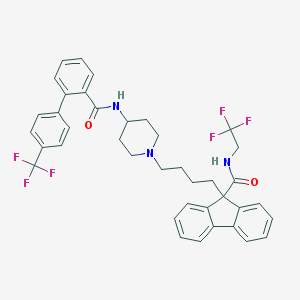
Aegerion (Cambridge, MA), the developer of lomitapide, is a publicly-traded biotech company that seeks to “change the way that rare, genetic lipid disorders are treated”. It is currently focused on the development of lomitapide, a small-molecule compound (pictured above).

Lomitapide inhibits the microsomal triglyceride transfer protein (MTTP) which is necessary for very low-density lipoprotein (VLDL) assembly and secretion in the liver. A 2007 article in the New England Journal of Medicine (NEJM) concluded that inhibition of MTTP by lomitapide (then known as BMS-201038) resulted in the reduction of LDL cholesterol levels in patients with homozygous FH. BMS-201038/lomitapide was originally developed by Bristol-Myers Squibb (BMS), donated to the University of Pennsylvania in 2003 and licensed to Aegerion in 2006. BMS had abandoned development of the compound after early Phase 1 and Phase 2 trials had found increases in heptatic fat content and gastrointestinal disturbances. The NEJM study (conducted by Penn researchers in collaboration with other academic researchers and with BMS) also found that therapy with the compound was associated with elevated liver aminotransferase levels and hepatic fat accumulation.

78-week data from Aegerion’s pivotal Phase 3 study of lomitapide in adults patients with homozygous FH were published in the online version of The Lancet on November 2, 2012.

Mipomersen (which will be called Kynamro if and when it is commercialized) is an antisense oligonucleotide that targets the messenger RNA for apolipoprotein B. We discussed mipomersen in our August 21, 2009 blog article on oligonucleotide therapeutics. Mipomersen represents the most advanced oligonucleotide drug in development that is capable of systemic delivery. (The only two marketed oligonucleotide drugs both treat ophthalmologic diseases and are delivered locally.) Mipomersen targets the liver, without the need for a delivery vehicle. Thus mipomersen–potentially the first systemically-delivered oligonucleotide drug to reach the market–represents the “great hope” for proof-of-concept for oligonucleotide drugs, including antisense and  RNAi-based drugs.

Patients treated with mipomersen, as with lomitapide, exhibit liver-related adverse effects, especially hepatic fat accumulation and elevated liver aminotransferase levels. Moreover, unlike lomitapide, which is an orally-delivered compound, mipomersen, which is delivered via subcutaneous injection, can cause injection site reactions and flu-like symptoms. Moreoever, mipomersen has a much longer half-life than lomitapide (30 days versus 20 hours).

Industry commentators, and well as the FDA Advisory Committee, generally favor lomitapide over mipomersen, because lomitapide appears to be the more efficacious drug in lowering LDL-cholesterol, and also because lomitapide is an oral drug. However, most of the FDA panelists, as well as other industry commentators believe that not all patients with homozygous FH would be likely to benefit from only one drug. Thus having two alternative drugs may well be better in treating this disease.

Both lomitapide and mipomersen have potentially serious adverse effects. A finding of elevated liver aminotransferase levels is enough to stop development of most drugs. However, the FDA and its Advisory Panel believe that a risk evaluation and mitigation strategy (REMS) would support appropriate use of these drugs in patients with homozygous FH, because of their life threatening disease, and because they have limited therapeutic options. Both Aegerion and Genzyme are proposing that their compounds be approved with REMS programs, including an education program for physicians and active monitoring of patients. The REMS program would also include monitoring to ensure that only adult homozygous FH patients would be treated with the drugs. However, Aegerion plans to conduct clinical trials of the use of lomitapide in pediatric homozygous FH patients, as well as patients with another rare disease, familial chylomicronemia. Genzyme has already tested mipomersen in a small number of pediatric patients.

Companies developing therapeutics for rare diseases whose mechanisms are related to those of more common diseases often attempt to first get their drugs approved for the rare disease, and then perform additional clinical trials to expand the drug’s indications to larger populations. We discussed this strategy in an earlier article on this blog. Homozygous FH is mechanistically related to not only heterozygous FH, but also to cases of severe hypercholesterolemia that are poorly controlled by statins. Both companies have shown interest in treating patients with homozygous FH and severe hypercholesterolemia, since they have preformed clinical trials that included patients with these conditions. However, the adverse effects of these drugs may limit their use to homozygous FH, at least in the near future.

Aegerion intends to market lomitapide on its own, and is ramping up its marketing and sales organization in anticipation of approval. Mipomersen, if approved, would have the benefit of the Sanofi marketing organization behind it. However, industry commentators expect lomitapide to have a large advantage over mipomersen, if both are approved. That is because of the greater efficacy of lomitapide, its oral dosing, and other factors related to injection site reactions for mipomersen and the half-lives of the compounds.

We await FDA action in the next several weeks on the approval of lomitapide and mipomersen.

Meanwhile, researchers and companies are working on potential drugs for severe hypercholesterolemia that act via an entirely different mechanism–PCSK9 (proprotein convertase subtilisin/kexin 9) inhibition. These drugs are in an earlier stage of development than lomitapide and mipomersen. However, they might eventually provide strong competition to these drugs, or replace them altogether.

For oligonucleotide drug developers and enthusiasts, the case of mipomersen–considered the “great hope” for proof-of-concept for oligonucleotide drugs by many in the field–provides several lessons. 1. At the end of the day, oligonucleotide drugs must meet the same standards of safety and efficacy as other drugs. 2. Oligonucleotide drugs may encounter competition from drugs in other classes, such as small molecules or monoclonal antibodies.

________________________________

As the producers of this blog, and as consultants to the biotechnology and pharmaceutical industry, Haberman Associates would like to hear from you. If you are in a biotech or pharmaceutical company, and would like a 15-20-minute, no-obligation telephone discussion of issues raised by this or other blog articles, or an initial one-to-one consultation on an issue that is key to your company’s success, please contact us by phone or e-mail. We also welcome your comments on this or any other article on this blog.

 

Is beige the new brown?

This is an update to our recent discussion on targeting the physiology of brown fat [or brown adipose tissue (BAT)], in developing novel antiobesity therapies. It is based on a research article published in the July 20 2012 issue of Cell by Dr. Bruce Spiegelman (Dana-Farber Cancer Institute and Harvard Medical School, Boston MA) and his colleagues.

As we discussed in our May 23, 2012 blog article, Dr. Spiegelman, a leading metabolic disease researcher, is a founder of Ember Therapeutics. Ember is working to develop novel metabolic disease therapeutics based on Dr. Spiegelman’s work on BAT physiology and on novel insulin sensitizers.

In the work described in the new Cell article, Dr. Spiegelman and his colleagues showed that the white adipose tissue (WAT)-derived “brown fat-like cells” that they had been studying are actually a new type of cells known as “beige adipocytes”.

Other researchers had previously described a class of “brite” or “beige” adipocytes, which were induced in WAT depots that have been chronically treated with the peroxisome proliferator-activated receptor γ (PPARγ) agonist rosiglitazone. Brite/beige adipocytes expressed UCP1 (uncoupling protein 1) and had high levels of mitochondria as do brown adipocytes but lacked expression of certain characteristic brown fat-specific genes. UCP1 is the key mitochondrial protein that makes the process of thermogenesis (i.e., production of heat by oxidizing fat rather than storing it) possible. As shown previously by Dr. Spiegelman and his colleagues, BAT is derived from  a myf-5 muscle-like cell lineage, via the action of the transcriptional regulator PRDM16. However, beige cells are not.

Beige precursor cells in murine subcutaneous white fat depots

In the new Cell publication, Dr. Spiegelman and his colleagues carry these earlier studies further by cloning murine beige fat cells and describing their unique gene expression signature. They first isolated adipocyte precursors from mouse subcutaneous WAT (specifically, the inguinal fat depots). These precursors are found in the stromal-vascular fraction of the adipose tissue. The researchers immortalized stromal vascular fraction (SVF) cells from subcutaneous WAT of the 3T3 mouse by passaging them in culture, similar to the classic derivation of 3T3 fibroblast cell lines by Todaro and Green 49 years ago. They cloned the resulting immortalized cells via limiting dilution, and selected the 20-some odd cell lines that could be readily differentiated (via standard differentiation protocols) to adipocytes. For purposes of comparison, the researchers also derived multiple adipogenic clones from the SVF cells of the interscapular brown fat depot.

They then differentiated the WAT-derived adiopogenic clones to adipocytes, and treated them with forskolin [an agent that raises intracellular levels of cyclic AMP (cAMP)]–increases in cAMP levels activate expression of UCP1 in the mitochondria of brown fat cells. They then determined the gene expression pattern of the differentiated and forskolin-stimulated WAT derived clones. The clones clustered into two groups, one of which had a gene expression pattern more similar to BAT cells than the other group. These two groups appeared to represent beige and white adipocytes, respectively. Comparison of these two groups of cells to BAT cells revealed that the presumptive beige adipocytes had gene expression patterns that were similar, but not identical to, those of brown adipocytes.

Further characterization of the three types of cells indicated that beige cells have characteristics of both white and brown adipocytes. Both white and beige adipocytes have low basal levels of UCP1, while brown adipocytes have higher levels. Upon cAMP stimulation, however, the beige adipocyte lines responded with a very large induction of UCP1 gene expression, reaching similar UCP1 levels to that observed in the brown adipocyte lines. White adipocyte cell lines showed little UCPI induction. These characteristics of beige and white adipocyte cell lines also were seen in in vivo studies.

Still further characterization of the three types of cell lines revealed that beige and brown fat cells have related but distinct gene expression profiles. These include a set of beige-selective genes that can distinguish beige fat cells from both brown fat cells and white fat cells. Protein expression was highly concordant with mRNA expression. Since some of the beige-selective markers are cell surface proteins, and since antibodies to these proteins are commercially available, this allowed the researchers to use fluorescence-activated cell sorting (FACS) to isolate primary beige precursor cells from the SVF of mouse inguinal fat.

Murine beige fat precursors–not white fat or brown fat–are targets of the hormone irisin

In our May 23, 2012 blog article, we discussed the myokine hormone irisin, which was recently discovered by the Spiegelman group. As we discussed, irisin is produced by muscle cells and increases with exercise. It has little or no effect on classic brown fat found in the interscapular depot. However, It acts on subcutaneous white adipose cells in culture and in vivo to stimulate what appears to be development into brown fat-like cells. Specifically, irisin stimulates expression of UCP1 and an array of other brown fat genes, producing a thermogenic effect.

In the study reported in the July 20 2012 Cell paper, the researchers used FACS to sort primary inguinal precursor cells into white and beige preadipocytes, and studied the effects of two forms of recombinant irisin on these cells during adipogenic differentiation. All cells treated either with vehicle or irisin showed good adipocyte differentiation. Both forms of irisin, but not vehicle, induced the expression of brown fat-like genes such as UCP-1 in beige cells, but had little effect on white cells. This suggests that irisin works on white fat depots in vivo by inducing brown-like gene expression in the beige cell component of preadipocytes in these depots.

Adult human “brown fat” is really beige fat

As we discussed in our blog articles of November 17, 2010 and May 23, 2012, and as illustrated in the figures at the top of each of these articles, adult humans possess what appears to be reservoirs of brown fat in the neck region and other areas of the upper body as well as in skeletal muscle.

In the study reported in the July 20 2012 Cell paper, the researchers preformed BAT biopsies from two independent cohorts of human subjects, and analyzed their gene expression signatures based on the findings of the studies of mouse brown, beige, and white adipocytes. They found that the UCP1-positive “BAT” cells from the human biopsies had gene expression signatures that resembled those of murine beige adipocytes more closely than they resemble classic brown fat or white fat. As a result of this finding, several popular articles written about the new Cell paper are entitled “Beige is the New Brown”.

Conclusions

Although additional research is needed to fully characterize beige fat physiology, the picture that emerges from the above study is that beige fat cells exist in subcutaneous fat mainly in a basal, unstimulated state, in which their phenotype resembles that of white fat. Once stimulated, however, beige cells activate expression of a brown fat-like thermogenic program, including expression of levels of UCP1 similar to those of brown fat cells. Thermogenesis of beige fat cells is induced by such stimuli as 1. β-adrenergic activation; 2. the myokine irisin; and 3. other polypeptide hormones, such as fibroblast growth factor 21 (FGF21), and atrial natriuretic peptide (ANP). The role of FGF21 in inducing UCP1 and the thermogenic program in adipose tissues was elucidated by Dr. Spiegelman and his colleagues. This was described in a February 2012 report in Genes & Development.

The above scenario is mainly based on studies in mice. However, as discussed earlier, humans also have what appear to be beige cells, which may be amenable to induction by irisin or other agents, thus giving rise to a thermogenic program that might be utilized to combat obesity and type 2 diabetes. Classical interscapular brown fat in humans, however, although it is present in infants, disappears as humans mature. This it is likely that beige fat will be the target such agents as irisin, which are aimed at overcoming metabolic disease via increasing energy expenditure.

Long before researchers obtained evidence for “browning” of white fat as a potential mechanism for induction of a thermogenic program, the pharmaceutical industry had a long history of attempting to develop β3-adrenergic agonists as therapies for metabolic diseases.  Many agents were entered into clinical trials by numerous companies, but all failed, either due to lack of efficacy or to averse effects due to activation of β-adrenergic receptors in other tissues. An important underlying factor in the failure of these studies was the lack of understanding of brown (or beige) fat physiology in humans, including whether brown fat existed in adult humans at all. Of course, beige fat was completely unknown.

In our May 23, 2012 blog article, we discussed several young companies that are working to develop novel approaches to treating obesity based on brown-fat physiology and/or other non-CNS pathways involved in increasing energy expenditure. Among these companies are Ember Therapeutics. As we discussed in the May 2012 article, Ember entered into an exclusive license agreement with Dana-Farber Cancer Institute for the irisin technology, and is optimizing and developing a proprietary molecule based on this technology. This research constitutes the company’s lead BAT biology program.

More recently, Ember completed a licensing agreement with the Dana-Farber for intellectual property related to Dr. Spiegelman’s beige fat discovery. As discussed earlier, beige fat cells are specifically targeted by irisin, which induces the thermogenic program in these cells. Especially in adult humans, which appear to lack classic brown fat, beige adipocytes and/or their precursors are the true target of irisin, and any program to develop irisin-like protein drugs for metabolic disease will need to focus on the effect of such products on beige cells. Moreover, Ember’s programs to develop small molecules via screening for compounds that activate pathways specific to the “brown fat” cell lineage will need to focus specifically on pathways involved in induction of the thermogenic program in beige adipocytes.

In contrast to Ember’s R&D programs, which must focus on beige adipocytes, Energesis Pharmaceuticals’ R&D programs focus on brown fat “stem cells” from skeletal muscle. This research thus has to do with classical BAT, which is derived from a skeletal muscle-like lineage, as opposed to beige adipocytes, which are not. Thus Ember’s and Energesis’ R&D programs represent completely different approaches to developing antiobesity agents that work to increase energy expenditure. Among the other companies mentioned in our May 2012 article, Zafgen’s R&D programs represent still another completely different approach, involving targeting the liver. Acceleron Pharma’s approach, however, probably involves targeting beige fat. In fact, Dr. Spiegelman has been a collaborator in some of their research.

__________________________________________

As the producers of this blog, and as consultants to the biotechnology and pharmaceutical industry, Haberman Associates would like to hear from you. If you are in a biotech or pharmaceutical company, and would like a 15-20-minute, no-obligation telephone discussion of issues raised by this or other blog articles, or of other issues that are important to  your company, please click here. We also welcome your comments on this or any other article on this blog.


Qsymia (phentermine/topiramate CR)

On July 17th, 2012, Vivus, Inc. (Mountain View, CA) announced that the FDA has approved its antiobesity drug, Qsymia (phentermine and topiramate extended-release). This is the second antiobesity drug–after lorcaserin (Arena/Eisai’s Belviq)–to be approved in 13 years. Belviq was approved just last month; this was the focus of our June 30, 2012 Biopharmconsortium Blog article.

As discussed in that article, both Belviq (formerly Lorqess) and Qsymia (formerly Qnexa) were two of the three members of what we called the “Class of 2010” of CNS-targeting antiobesity drugs. All three of these drugs (which also included Orexigen’s Contrave) had come up for review in 2010, and were rejected by the FDA, mainly due to concern about the drugs’ long-term safety. After the companies conducted the further studies prescribed by the FDA in 2010, two of these drugs, lorcaserin and Qsymia–had received positive votes by the FDA’s Endocrinologic and Metabolic Drugs Advisory Committee, as of May 2012. Then lorcaserin was approved in June 2012, and Qsymia in July 2012.

The FDA approved Qsymia as an adjunct to diet and exercise for chronic weight management in adult patients who are obese [initial body mass index (BMI) of 30 kg/m2 or greater], as well as for overweight patients with a BMI of 27 kg/m2 or greater who also have at least one weight-related comorbidity, such as hypertension, dyslipidemia, or type 2 diabetes. This is the same population for which the FDA approved Belviq last month.

According to Vivus’ President, Peter Tam, Qsymia is the “first FDA-approved once daily combination treatment” for obesity. In contrast, Belviq must be taken twice a day, and is a single-agent drug.

As we discussed in our August 4, 2010 article on this blog, Qsymia (then called Qnexa) is a low-dose, controlled release (CR) formulation of two previously FDA-approved drugs: phentermine (PHEN) and topiramate (TPM). Qsymia was designed to both suppress appetite (phentermine) and promote satiety (topiramate).

Phentermine, an amphetamine, has been prescribed as a weight-loss aid that is used short-term. It was the “phen” half of the notorious “Fen-Phen” combination. The “fen” part, fenfluramine (Pondimin) or dexfenfluramine (Redux), were serotonin modulators that caused cardiovascular side-effects. Topiramate is an anticonvulsant. As separate agents, phentermine and topiramate have minimal effects on weight loss. However, according to Vivus’ studies, the two drugs appear to have a synergistic effect, even at low doses, that results in significant weight loss. Vivus’ studies also indicate that the two drugs mitigate each other’s side effects; the low does and controlled release is also designed to reduce side effects.

Adverse effects of phentermine may include increase in blood pressure and heart palpitations, as well as gastrointestinal side effects. Side effects of topirmate may include cognitive issues, lack of coordination, aggressiveness, changes in ability to taste food and loss of appetite, cardiovascular side effects, and others. As of the August 4, 2010 publication date of our initial blog article on Qnexa/Qsymia, the risk of birth defects with ether of these drugs was unknown. However, there was preliminary evidence that topiramate might cause birth defects. More recently, on March 4, 2011, the FDA warned of an increased risk of development of cleft lip and/or cleft palate (oral clefts) in infants born to women treated with topiramate during pregnancy.

Results of Phase 3 clinical trials with Qsymia

According to the July 17th, 2012, Vivus announcement, the safety and efficacy of Qsymia were evaluated in two  multicenter randomized controlled phase 3 trials. These included the EQUIP study with severely obese patients, and the CONQUER study with overweight or obese patients with at least two weight-related comorbidities (e.g., hypertension, hypertriglyceridemia, type 2 diabetes, or central adiposity) that are related to the metabolic syndrome.

In the 56-week EQUIP study, adult male and female patients with a BMI ≥ 35 kg/m2 were randomized to placebo, PHEN/TPM CR 3.75/23 mg, or PHEN/TPM CR 15/92 mg; all patients were also on a reduced-calorie diet. The average weight loss was 10.9% of body weight for the high-dose Qsymia (PHEN/TPM CR 15/92) group and 1.2% for placebo. 66.7% of patients on high-dose Qsymia lost at least 5% of body weight, as compared to 17.3% for placebo. The difference between the Qsymia and the placebo groups were statistically significant. The high-dose Qsymia group also has significantly greater changes relative to placebo for waist circumference, blood pressure, and fasting blood glucose, triglycerides, total cholesterol, low-density lipoprotein (LDL), and high-density lipoprotein (HDL).

In the 56-week CONQUER study, adult male and female patients with a BMI of 27-45 kg/m2 and two or more obesity-related comorbidities were randomized to receive either placebo, PHEN/TPM CR (7.5/46 mg), or PHEN/TPM CR (15/92 mg). The average weight loss was 9.8% on PHEN/TPM CR (15/92 mg) {“high-dose Qsymia”), and 1.2% for placebo. The differences in weight loss between the treatment arms and the placebo arms of these studies were statistically significant.

21% of patients lost at least 5% of body weight with placebo, and 70% of patients patients lost at least 5% of body weight with high-dose Qsymia. For percentages of patients who lost over 10% of body weight, the corresponding numbers were 7% and 48%. These differences were also statistically significant.

The most common adverse reactions for patients treated with Qsymia included tingling sensation of hands and feet, dizziness, altered taste, insomnia, constipation and dry mouth.

Risk Evaluation and Mitigation Strategy for Qsymia

The FDA approved Qsymia with a Risk Evaluation and Mitigation Strategy (REMS). The goal of the strategy is to inform prescribers and women patients of reproductive potential about an increased risk of orofacial clefts in infants exposed to Qsymia during the first trimester of pregnancy, the importance of pregnancy prevention for females of reproductive potential receiving Qsymia and the need to discontinue Qsymia immediately if pregnancy occurs. The Qsymia REMS program includes a Medication Guide, Healthcare Provider training, distribution through certified pharmacies, implementation system and a time table for assessments.

As part of the approval of Qsymia, Vivus must also conduct post-marketing studies. One study will assess the long-term treatment effect of Qsymia on the incidence of major adverse cardiovascular events in overweight and obese subjects with confirmed cardiovascular disease. The company will also conduct studies to assess the safety and efficacy of Qsymia for weight management in obese pediatric and adolescent subjects, studies to assess drug utilization and pregnancy exposure, a study to assess renal function, and animal and in vitro studies.

Implications of the approval of Belviq and Qsymia

The FDA’s approval of Belviq and Qsymia indicates that the FDA is more willing to make antiobesity drugs available to patients than it has been previously, even in the face of continuing concerns about long-term safety. Rather than rejecting these drugs, the FDA is handling its concerns about safety via post-marketing studies, and restricting distribution of the drugs. (Restricted distribution of the drugs may also help prevent their unregulated use for cosmetic weight-loss, as occurred with “Fen-Phen”.)  Given the recent findings about the risk of birth defects with topiramate, the FDA is also employing a REMS designed to prevent the use of the drug by pregnant women.

Phase 2 and 3 studies of Belviq and Qsymia (although the two drugs were not compared head-to-head) indicate that Qsymia is much more efficacious than Belviq. At least some medical experts consider Qsymia to be the most effective oral antiobesity drug ever approved in the U.S.

Stock analysts forecast that the apparent greater efficacy of Qsymia is likely to give it a strong sales advantage over Belviq. Some analysts project that Qsymia’s annual worldwide sales may reach $2 billion by 2017. However, Arena has a Big Pharma marketing partner for Belviq, Eisai, while Vivus currently must market Qsymia on its own. This gives an advantage to Beviq. However, it is possible that Vivus might find a Big Pharma partner for Qsymia and its erectile dysfunction drug avanafil (Stendra), or the company might be acquired outright.

The long history of postmarking safety issues in the CNS-acting drug field, exemplified by fenfluramine/dexfenfluramine may be expected to discourage use of both Belviq and Qsymia by many physicians and patients, at least until one or both of these drugs shows a strong track record of safety. Third-party payers will also be expected not to cover either drug.

Conclusions

The approval of Qsymia by the FDA–just one month after the approval of lorcaserin–adds new impetus to the revival of the antiobesity drug market–including drug discovery and development, and the marketing of antiobesity agents. This includes approaches that work by increasing energy expenditure, rather than the usual approach of decreasing appetite by targeting the CNS. We discussed some of these novel approaches in our May 23, 2012 article on this blog.

The need for antiobesity agents is great, and with the fast accelerating incidence of obesity and its complications, the need is also accelerating. Moreover, our understanding of the pathogenesis of obesity is limited. Thus both continuing basic research and development of agents with novel mechanisms are sorely needed.

__________________________________________

As the producers of this blog, and as consultants to the biotechnology and pharmaceutical industry, Haberman Associates would like to hear from you. If you are in a biotech or pharmaceutical company, and would like a 15-20-minute, no-obligation telephone discussion of issues raised by this or other blog articles, or of other issues that are important to  your company, please click here. We also welcome your comments on this or any other article on this blog.