Hypothalamic nuclei on one side of the hypothalamus, in 3-D. Source: Was a bee. http://bit.ly/13o91HU

Hypothalamic nuclei on one side of the hypothalamus, in 3-D. Source: Was a bee. http://bit.ly/13o91HU

The Biopharmconsortium Blog has been following novel developments in anti-aging medicine and biology for several years. Much of the interest in this field has centered around sirtuins and potential drugs that modulate these protein deacetylase enzymes. Recently–on May 29, 2013–we published our latest blog article on sirtuins.

However, we have long been aware that studies in the biology of aging reveal that lifespan is controlled by sets of complex, interacting pathways. Sirtuins represent only one control point in these pathways, which might not be the most important one.

Now comes a research article in the 9 May 2013 issue of Nature, on the role of inflammatory pathways in the hypothalamus of the brain in the control of systemic aging. This article (Zhang et al.) was authored by Dongsheng Cai, M.D., Ph.D. of the Albert Einstein College of Medicine (Bronx, NY) and his colleagues. The same issue of Nature contains a News and Views mini-review of Zhang et al., authored by Dana Gabuzda, M.D. and Bruce A. Yankner, M.D., Ph.D. (Harvard Medical School).

The role of the neuroendocrine system–and other tissues–in the regulation of lifespan

The News and Views review begins with the statement that classic studies of aging-related pathways in Caenorhabditis elegans by such pioneering researchers as Cynthia Kenyon and Leonard Guarente, as well as later studies in Drosophila suggested that genetic changes that affect the function of nutrient-sensing and environmental-stress-sensing neurons can regulate aging of the entire organism.

In our May 11, 2010 Biopharmconsortium Blog article that reviewed the aging field, we focused on biochemical pathways that may affect lifespan, not the specific tissues in which they act. That article included a link to a 25 March 2010 review in Nature by Dr. Kenyon, entitled “The genetics of ageing”. As we said in our article, that review “discussed the panoply of aging-related pathways in worms, flies, and mice, especially the insulin/insulin-like growth factor-1 (IGF-1) and TOR pathways, as well as several other biomolecules and biological processes”. However, Dr. Kenyon’s article, and several of the references she cites, also deal with the tissues in which these pathways act.

Numerous leading researchers have found evidence that IGF signaling in the C. elegans nervous system regulates longevity. A 2008 article by Laurent Kappeler (INSERM U893, Hopital Saint-Antoine, Paris, France) and his colleagues referenced in the Kenyon review also found evidence that IGF-1 receptors in the brain control lifespan and growth in mice via a neuroendocrine mechanism.

Nevertheless, there is evidence that the insulin pathway in such tissues as the intestine of C. elegans can also regulate lifespan in a non-cell autonomous manner. These studies indicate that changes in insulin pathway gene expression in one tissue–perhaps with certain tissues (the neuroendocrine system, endoderm, adipose tissue) being especially important–results in coordinated changes in insulin pathway activity among all the relevant tissues of the organism. These studies complicate the determination that the neuroendocrine system is the locus of longevity regulation by the insulin pathway and other aging-related pathways.

The potential role of the hypothalamus in the regulation of mammalian aging

Based on the results of studies of neural regulation of lifespan in C. elegans and Drosophila, Zhang et al. asked whether the hypothalamus may have a fundamental role in the process of aging and in regulation of lifespan. The hypothalamus is a region of the brain that is critically involved in regulating such functions as growth, reproduction and metabolism. An important function of the hypothalamus is to link the nervous system to the endocrine system via the pituitary gland, an endocrine gland that is intimately associated with the hypothalamus, and is the master regulator of the endocrine system. According to the Gabuzda and Yankner News and Views article, the mammalian hypothalamus has similar functions to the nutrient-sensing and environmental-stress-sensing neurons of C. elegans and Drosophila that have been implicated in regulation of aging in those organisms.

Zhang et al. studied the increase in NF-κB (nuclear factor kappa-light-chain-enhancer of activated B cells) in the hypothalamus of mice as a function of aging. NF-κB is a transcriptional regulator that is involved in cellular responses to stress, and in particular mediates inflammatory responses; it has also been implicated as a driver of aging-related gene expression in mice. The researchers found that the numbers of microglia (central nervous system cells that functionally resemble macrophages) in the hypothalamus increased as the mice aged. These microglia exhibited inflammatory function, expressing activated NF-κB and overproducing tumor necrosis factor alpha (TNFα). In turn, secretion of TNF-α (an inflammatory cell-signaling molecule) stimulated NF-κB-mediated signaling in hypothalamic neurons.

Zhang et al. showed–via using genetic models such as specific gene knockouts–that activation of the NF-κB pathway in hypothalamic neurons accelerated the aging process and shortened lifespan. Conversely, inhibiting the NF-κB pathway resulting in delayed aging and increased lifespan. They further showed that activation of neural NF-κB signaling resulted in declines in gonadotropin-releasing hormone (GnRH) levels. Since GnRH stimulates adult neurogenesis in the hypothalamus and hippocampus, decline in GnRH secretion suppressed neurogenesis. Conversely, hypothalamic administration of GnRH reversed aging-associated declines in neurogenesis.

The researchers also treated old mice with GnRH peripherally (i.e., via subcutaneous injection, rather than via hypothalamic administration). Such treatment with GnRH resulted in amelioration of aging-related changes in muscle, skin, and the brain. Notably, GnRH treatment resulted in amelioration of  aging-related cognitive decline. The researchers hypothesize that peripherally-administered GnRH (a neurohormone that is secreted by specific neurons in the hypothalamus) exerts its anti-aging effects via its action on one or more of the GnRH-responsive brain regions that lack a blood–brain barrier, such as the median eminence, subfornical organ and area postrema.

As pointed out by Gabuzda and Yankner in their News and Views article, a 2011 study showed that dendrites of hypothalamic GnRH-producing neurons extend through the blood–brain barrier. These dendrites are able to sense inflammatory and metabolic signals in the blood. Gabuzda and Yankner hypothesize that inflammatory signals in the periphery (which are known to be associated with aging, and such aging-related conditions as insulin resistance, obesity, and cardiovascular disease) may feed back via these dendrites to downregulate GnRH production in the hypothalamus. Such a feedback loop might be analogous to the coordination between peripheral and neural tissues of aging-related pathways seen in C. elegans by Dr. Kenyon and other researchers.

Despite these hypotheses (as pointed out by Zhang et al.), the mechanisms by which GnRH (especially peripherally-administered GnRH) exerts its anti-aging effects are not well-understood, and need further investigation. The researchers conclude, however, that the hypothalamus can integrate NF-κB-directed immunity and the GnRH-driven neuroendocrine system to program development of aging.

With respect to anti-aging therapy, the study of Zhang et al. suggests two potential therapeutic strategies–inhibition of inflammatory microglia in the hypothalamus, and restoration of levels of GnRH. Given the difficulties of specific targeting of microglia in the hypothalamus (across the blood-brain barrier), the second of these alternatives seems to be the more feasible of these strategies.

The GnRH receptor agonist leuprolide as a potential therapy for Alzheimer’s disease

GnRH has a short half-life in the human body, and thus cannot be used as a medication unless it is delivered via infusion pumps. However, the GnRH receptor agonist leuprolide acetate (AbbVie’s Lupron, Sanofi’s Eligard) has been approved by the FDA since 1985. It is available as a slow-release implant (AbbVie’s Lupron Depot) or a formulation delivered via subcutaneous/intramuscular injection. Leuprolide is approved for treatment of prostate cancer, endometriosis, fibroids, and several other conditions. Although leuprolide is the largest-selling GnRH agonist, there are other approved nanopeptide GnRH agonists, such as goserelin (AstraZeneca’s Zoladex) and histrelin (Endo’s Supprelin and Vantas).

As discussed in a 2007 review by Wilson et al., leuprolide acetate has also been under investigation as a therapeutic for Alzheimer’s disease (AD). Studies in mice indicated that leuprolide modulated such markers of AD as amyloid-β (Aβ) and tau phosphorylation, and prevented AD-related cognitive decline. For example, in a 2006 study in a classic mouse model of AD (Tg2576 amyloid precursor protein transgenic mice carrying the Swedish mutation) by Casadesus et al., the researchers demonstrated that leuprolide acetate halted Aβ deposition and improved cognitive performance.

Although Casadesus et al. attributed the efficacy of leuprolide to its suppression of the production of luteinizing hormone, Wilson et al. speculated that it might be possible that leuprolide works directly via GnRH receptors in the brain. Those receptors had only been identified in 2006 by the first author of the review, Andrea Wilson, and her colleagues at the University of Wisconsin. The direct action of leuprolide on GnRH receptors in the brain to ameliorate aging-related cognitive decline–and perhaps AD itself–is consistent with the 2013 findings of Zhang et al.

Development of a leuprolide-based Alzheimer’s disease treatment by Voyager Pharmaceuticals

As discussed in the review of Wilson et al., a Phase 2 clinical trial in women with mild-to-moderate AD receiving acetylcholinesterase inhibitors and implanted subcutaneously with leuprolide acetate showed a stabilization in cognitive decline at 48 weeks. A subsequent study in men (clinical trial number NCT00076440) was documented on ClinicalTrials.gov between 2004 and 2007. However, no results of this trial were ever posted.

The clinical development of a formulation of leuprolide (known as Memryte) as a treatment for AD had been carried our by a small Durham, NC biotech company called Voyager Pharmaceutical Corporation. Memryte was a biodegradable implant filled with leuprolide acetate, designed to treat mild to moderate AD.

After struggling to develop their treatment for nearly a decade, Voyager ran out of money, and stopped its R&D operations in 2007. In 2009, Voyager acquired a new set of investors, and changed its name to Curaxis. In 2010, Curaxis did a reverse stock merger, which enabled it to become a publicly traded company. Also in 2010, Curaxis attracted $25 million from a Connecticut investment firm. Nevertheless, Curaxis noted in its SEC filing that it would need “at least $48 million through 2014” to complete development of Memryte and file a New Drug Application (NDA) with the FDA.

However, Curaxis failed to find the needed funding and/or a partner to complete its development plans. In July 2012, the company filed for bankruptcy.

The failure of Voyager/Curaxis as a company does not necessarily mean that leuprolide may not be a viable treatment for AD. However, as we noted in earlier Biopharmconsortium Blog articles, development of an AD therapy is an enormously long, expensive, and risky proposition, which is beyond the capacity of a small biotech (such as Voyager/Curaxis) unless it attracts a Big Pharma partner. Moreover, treating AD once it reaches the “mild to moderate” stage is unlikely to work.

As we discussed in our April 5, 2013 article, the FDA has been working with industry and academia to develop guidelines for clinical trials of agents to treat the very earliest stages of AD, before the development of extensive irreversible brain damage. If another company endeavors to develop a formulation of leuprolide (or another GnRH pathway activator) for AD, it would probably do best to aim to treat very early-stage disease using the new proposed FDA guidelines.

Conclusions

Why should drug discovery and development researchers and executives be interested in anti-aging research? No pharmaceutical company will be able to run a clinical trial with longevity as an endpoint. However, the hope is that an “anti-aging” drug approved for treatment of one disease of aging will have pleiotropic effects on multiple diseases of aging, and will ultimately be found to increase lifespan or “healthspan” (the length of a person’s life in which he/she is generally healthy and not debilitated by chronic diseases). Numerous pharmaceutical and biotechnology companies have been working on discovery and development of treatments for major aging-related diseases, such as type 2 diabetes and AD. It would be truly spectacular if a new drug for (for example) type 2 diabetes would also be effective against AD.

Moreover, their are also major aging-related conditions, such as sarcopenia (aging-related loss of muscle mass, quality, and strength) that are not normally targets for drug development, but are major causes of disability and death. It would also be amazing if an anti-aging drug aimed at (for example) AD would be effective against sarcopenia as well. Note that Zhang et al. showed that GnRH treatment ameliorated aging-related changes in muscle in their mouse models. (Update: The statement that sarcopenia is “not normally a target for drug development” is no longer true. See our September 4, 2013 article on this blog, “Novartis’ Breakthrough Therapy For A Rare Muscle-Wasting Disease”.)

The study of Zhang et al. constitutes a new approach to anti-aging biology and target and drug discovery. However, aging biology is complex and not well-understood. Researchers will need to study many aspects of aging-related pathways for anyone to be able to discover and develop successful anti-aging drugs. This includes, of course, the sirtuin field, as well as the role of mitochondria in aging related metabolic imbalance, as exemplified by a recent paper in Cell.  As discussed in our other Biopharmconsortium Blog articles on anti-aging biology and medicine, there are many other avenues for investigation as well.

__________________________________________

As the producers of this blog, and as consultants to the biotechnology and pharmaceutical industry, Haberman Associates would like to hear from you. If you are in a biotech or pharmaceutical company, and would like a 15-20-minute, no-obligation telephone discussion of issues raised by this or other blog articles, or of other issues that are important to  your company,  please contact us by phone or e-mail. We also welcome your comments on this or any other article on this blog.

Agios Nikolaos Orfanos, Thessaloniki, Greece

Agios Nikolaos Orfanos, Thessaloniki, Greece

On June 11, 2013, Agios Pharmaceuticals (Cambridge, MA) filed with the U.S. Securities and Exchange Commission for an Initial Public Offering (IPO). The company plans to raise up to $86 million through this IPO. This news was reported by Fierce Biotech, the Boston Business Journal, and Xconomy, among others.

The Biopharmconsortium Blog has been following Agios since December 31, 2009, and we have posted three additional articles since. Our newest article, posted on December 28, 2012, announced the publication of an article  in the November 19, 2012 issue of Chemical & Engineering News (C&EN) by senior editor Lisa M Jarvis, in which I was quoted. More recently, Agios posted a reprint of that article on its website, which it retitled “Built to Last”. I had used that phrase in my quote in Ms. Jarvis’ article.

Agios specializes in the field of cancer metabolism. The company is working on multiple potential targets, with the goal of dominating that field, using its strong proprietary technology platform. Its financing strategy is aimed at building a company with the potential to endure as an independent firm over a long period of time–hence “built to last”. This contrasts with the recent trend toward “virtual biotech companies”–lean companies with only a very few employees that outsource most of their functions, and that are designed for early acquisition by a Big Pharma or large biotech company. Agios’ ambition to dominate the field of cancer metabolism requires a “built to last” strategy.

As Agios’ CEO David Schenkein said in the C&EN article, “You’re never going to get that with a one-target deal”. In support of that strategy, Agios has raised over a quarter of a billion dollars in funding. This has included two rounds of venture capital funding that raised a total of $111 million, and a partnership with Celgene that brought in a total of $141 million in upfront payments. According to the Fierce Biotech article, Celgene has committed to invest in Agios’ IPO.

As of yet, Agios has no drugs in clinical trials. However, the company has several drug candidates in early development. And according to the Fierce Biotech article, Agios intends to use the proceeds of the IPO to fund its first clinical trials. One of the company’s lead candidates, AG-221, which targets mutant isocitrate dehydrogenase 2 (IDH2), may reach the clinic soon, according to the Fierce Biotech article. Another Agios compound, AG-120, which targets mutant IDH1, is expected to enter the clinic in early 2014.

Recent developments in Agios’ research

The Biopharmconsortium Blog has been reporting on Agios’ research on mutant forms of IDH1 and IDH2, and their roles in human cancer, beginning with our December 31, 2009 article. Briefly, wild-type IDH1 and IDH2 catalyze the NADP+-dependent oxidative decarboxylation of isocitrate to α-ketoglutarate. However, mutant forms of IDH1and IDH2, which are found in certain human cancers, no longer catalyze this reaction, but instead catalyzes the NADPH-dependent reduction of α-ketoglutarate to R(-)-2-hydroxyglutarate (2-HG). The researchers have hypothesized that 2HG is an oncometabolite, and that developing mutant-specific small molecule inhibitors of IDH1 and IDH2 might inhibit the growth or reverse the oncogenic phenotype of cancer cells that carry the mutant enzymes.

As we reported in our December 28, 2012 article, Agios researchers and their collaborators reported a series of compounds that selectively inhibit the mutant form of IDH1. These compounds were found to lower tumor 2-HG in a xenograft model. More recently, on May 3, 2013, Agios researchers and their collaborators published two research reports in the journal Science, and the company also announced the results of these studies in a April 4, 2013 press release. According to that press release, the two reports are the first publications to show the effects of inhibiting mutant IDH1 and IDH2 in patient-derived tumor samples. These results constitute preclinical support for the hypothesis that the two mutant enzymes are driving disease, and that drugs that target the mutant forms of the enzymes can reverse their oncogenic effects.

In the first of these papers (Wang et al.), the researchers reported the development of the small-molecule compound AGI-6780 (a tool compound, not a clinical candidate), which potently and selectively inhibits the tumor-associated mutant IDH2/R140Q. AGI-6780 is an allosteric inhibitor of this mutant enzyme. Treatment with AGI-6780 induced differentiation of two IDH2-bearing tumors in vitro: a TF-1 erythroleukemia genetically engineered to express IDH2, and primary human acute myelogenous leukemia (AML) carrying the IDH2 mutation. These data provide proof-of-principle that inhibitors targeting mutant IDH2/R140Q could have potential applications as a differentiation therapy for AML and other IDH2-driven cancers.

In the second paper (Rohle et al.), Agios researchers and their collaborators focused on a selective mutant IDH1 (R132H-IDH1) inhibitor, AGI-5198 (also a tool compound), which is one of the mutant IDH1 inhibitors that we referred to in our December 28, 2012 article. The researchers studied the effects of AGI-5198 on human glioma cells with endogenous IDH1 mutations. AGI-5198 inhibited, in a dose-dependent manner, the ability of the mutant IDH1 to produce 2-HG. Under conditions of near-complete inhibition of 2-HG production, AGI-5198 induced demethylation of histone H3K9me3 in chromatin, and also induced expression of genes associated with differentiation to glial cells (specifically astrocytes and oligodendrocytes). Blockade with AGI-5198 also impaired the growth of IDH1-mutant—but not IDH1–wild-type—glioma cells. Oral administration of AGI-5198 to mice with established R132H-IDH1 glioma xenografts resulted in impaired growth of the tumors. Treatment of mice with AGI-5198 was well-tolerated, with no signs of toxicity during 3 weeks of daily treatment.

It is possible that Agios’ IDH1/2 inhibitors do not inhibit tumor growth by inducing differentiation, at least in the case of AGI-5198 in glioma. Rohle et al. noted that although high-dose (450 mg/kg) AGI-5198 induced demethylation of histone H3K9me3 and induced gliogenic differentiation markers, a lower dose of AGI-5198 (150 mg/kg) did not. Nevertheless, the lower dose of AGI-5198 resulted in a similar tumor growth inhibition as did the the higher dose. This suggests that in glioma cells, mutant IDH1 regulates cell proliferation and cell differentiation via distinct pathways. These pathways may have different sensitivities to levels of 2-HG, with the differentiation-related pathway requiring increased inhibition of levels of 2-HG than the proliferation-related program.

Is differentiation therapy with IDH1/2 inhibitors sufficient to provide efficacious treatment of AML and/or glioma?

A companion Perspective, authored by Jiyeon Kim and Ralph J. DeBerardinis (Children’s Medical Center Research Institute, University of Texas Southwestern Medical Center, Dallas, TX), was published in the same issue of Science as Wang et al and Rohle et al. Kim and DeBerardinis note that the selective mutant IDH1 and IDH2  inhibitors produced cytostatic rather than cytotoxic effects. Specifically, they induced cancer cell differentiation rather than cell death.

It is possible that inducing a permanent state of differentiation may be sufficient for therapeutic efficacy. However, the survival (in a differentiated, nontumor state) of viable cells still containing potentially oncogenic mutations may eventually give rise to cancer. Therefore, it is important to determine whether the therapeutic effects of these compounds will persist over long periods of time.

In discussing AGI-6780 as a differentiation therapy in hematopoietic malignancies, Wang et al. compared their results to the action of all-trans retinoic acid (ATRA) on acute promyelocytic leukemia (APL). ATRA has be used to treat APL, and it apparently works via relieving a block in differentiation present in these leukemic cells. The use of ATRA in APL has thus been taken as a paradigm of differentiation therapy, and it is used as such a paradigm by Wang et al.

We discussed the case of ATRA treatment of APL in our April 15, 2010 article on this blog. APL patients whose leukemia is due to a PML-RARα translocation in their promyelocytes (who constitute the vast majority of APL patients) initially respond to differentiation therapy with ATRA, but eventually develop resistance to the drug. Combination therapy of ATRA and arsenic trioxide (As 2O 3) cures the majority of patients, rendering a cancer that was once uniformly fatal 90% curable. As discussed in our 2010 article, this was first modeled in transgenic mice, and then applied to human patients. APL patients whose leukemia is due to a PLZF-RARα translocation in their promyelocytes are unresponsive to both ATRA and As 2O 3. However, as discussed in our 2010 article, the corresponding mouse model does respond to a combination of ATRA and a histone deacetylase (HDAC) inhibitor such as sodium phenylbutyrate.

When this combination therapy was tested in one patient in 1998 (presumably the first patient in a clinical trial), she achieved a complete remission. Presumably, clinical trials of newer, approved HDAC inhibitors [e.g., suberoylanilide hydroxamic acid (SAHA), Merck’s Vorinostat] in combination with ATRA could be carried out.  (The SAHA/ATRA combination has been tested in a mouse model of PLZF-RARα APL.)

As in the case of Agios’ AGI-5198, ATRA may work in part via a different mechanism than induction of differentiation in APL. This is despite this case being taken as a paradigm of differentiation therapy. We referred to this briefly in our April 19, 2010 blog post. ATRA appears to produce cancer cell growth arrest at least in part via inducing degradation of the PML-RARα fusion protein. Growth arrest and differentiation appear to be uncoupled in the case of the action of ATRA on PLZF-RARα-bearing cells. [The issue of the uncoupling of RARα transcriptional activation (which induces differentiation) and RARα degradation was investigated further in a study published in April 2013.]

Is it possible–as in the case of ATRA in APL–that Agios’ therapies for targeting mutant forms of IDH1/2 will require combination with another agent to achieve long-term therapeutic efficacy? Only clinical trials can answer this question. However, perhaps it might be possible to design animal models to test this issue, and to use these models to identify agents that may be productively used in combination with the IDH1/2 inhibitors.

Conclusions

Agios IPO comes amidst a boom in biotech IPOs–especially Boston biotech IPOs. In addition to Agios, recent Boston-area IPOs include Epizyme (Cambridge, MA), TetraPhase Pharmaceuticals (Watertown, MA) and Enanta Pharmaceuticals (Watertown, MA). According to a June 14 2013 article in the Boston Business Journal, bluebird bio (Cambridge, MA) is also expected to complete its IPO during the week of June 17, 2013. We discussed bluebird bio in our October 11, 2012 Biopharmconsortium Blog article.

As with Agios, neither Epizyme, TetraPhase, Enanta, nor bluebird has any revenues from approved and marketed therapeutics. However, unlike Agios, all of these four companies have drug candidates that have reached the clinic. In addition, TetraPhase and Enanta have compounds that have completed Phase 2 clinical trials, and thus have presumably achieved proof-of-concept in humans. Thus the stock of these two companies appear to be lower risk investments than that of Agios, despite Agios’ very compelling scientific and strategic rationale. At least until its compounds achieve proof-of-concept in human studies, investing in Agios is mainly for sophisticated investors who have a high tolerance for risk. ____________________________________________________

As the producers of this blog, and as consultants to the biotechnology and pharmaceutical industry, Haberman Associates would like to hear from you. If you are in a biotech or pharmaceutical company, and would like a 15-20-minute, no-obligation telephone discussion of issues raised by this or other blog articles, or of other issues that are important to  your company,  please contact us by phone or e-mail. We also welcome your comments on this or any other article on this blog.
Sir2, the yeast homologue of SIRT1

Sir2, the yeast homologue of SIRT1

The Biopharmconsortium Blog has from time to time been following novel developments in anti-aging medicine, including attempts to develop activators of sirtuins. However, we have not had an article on sirtuins since December 1, 2010. At that time, we reported on the discontinuation by GlaxoSmithKline (GSK) of its lead sirtuin activator, SRT501, a proprietary formulation of the natural product resveratrol (which is found in red wine).

Sirtuins are nicotinamide adenine dinucleotide (NAD+)–dependent protein deacetylases, which have been implicated in control of lifespan in yeast, the nematode Caenorhabditis elegans, and the fruit fly Drosophila. Mammalian sirtuins have been implicated (via animal model studies) in protection against aging-related diseases such as metabolic and cardiovascular diseases, neurodegeneration, and cancer.

As we discussed in our December 1, 2010 article, GSK acquired the sirtuin-pathway specialty company Sirtris (Cambridge, MA) for $720 million in June 2008. This gave GSK ownership of Sirtris’ sirtuin modulator drugs. As stated in that article, although GSK discontinued development of SRT501, it was continuing  development of Sirtris’ non-resveratrol synthetic selective sirtuin 1 (SIRT1) activators, which in addition to their greater potency, had more favorably drug-like properties.

Recently, resveratrol and synthetic sirtuin activators such as those developed by Sirtris have come to be known as  “sirtuin-activating compounds” (STACs).

Sirtuin-activating compounds (STACs) under a cloud

As we discussed in our February 10, 2010 blog article, researchers at Amgen found evidence that the apparent in vitro activation of SIRT1 by resveratrol depended on the substrate used in the assay. The Amgen group found that the fluorescent SIRT1 peptide substrate used in the Sirtris assay is a substrate for SIRT1, but in the absence of the covalently linked fluorophore, the peptide is not a SIRT1 substrate. Resveratrol did not activate SIRT1 in vitro as determined by assays using two other non-fluorescently-labeled substrates.

Researchers at Pfizer also found that resveratrol and three of Sirtris’ second-generation STACs activated SIRT1 when a fluorophore-bearing peptide substrate was used, but were not SIRT1 activators in in vitro assays using native peptide or protein substrates.The Pfizer researchers also found that the Sirtris compounds interact directly with the fluorophore-conjugated peptide, but not with native peptide substrates.

Moreover, the Pfizer researchers were not able to replicate Sirtris’ in vivo studies of its compounds. Specifically, when the Pfizer researchers tested SRT1720 in a mouse model of obese diabetes, a 30 mg/kg dose of the compound failed to improve blood glucose levels, and the treated mice showed increased food intake and weight gain. A 100 mg/kg dose of SRT1720 was toxic, and resulted in the death of 3 out of 8 mice tested.

The Pfizer researchers also found that the Sirtris compounds interacted with an even greater number of cellular targets (including an assortment of receptors, enzymes, transporters, and ion channels) than resveratrol. For example, SRT1720 showed over 50% inhibition of 38 out of 100 targets tested, while resveratrol only inhibited 7 targets. Only one target, norepinephrine transporter, was inhibited by greater than 50% by all three Sirtris compounds and by resveratrol. Thus the Sirtris compounds have a different target selectivity profile than resveratrol, and all of these compounds exhibit promiscuous targeting.

Finally, as we reported in our December 1, 2010 blog article, NIH researcher Jay H. Chung and his colleagues found evidence that resveratrol works indirectly, via the energy sensor AMP-activated protein kinase (AMPK), to activate sirtuins. Since activation of AMPK increases fatty acid oxidation and upregulates mitochondrial biogenesis, this study suggested that the effect of resveratrol on AMPK may be more important than its more indirect activation of sirtuins in the regulation of insulin sensitivity.

All of these studies left Sirtris/GSK’s STACs under a cloud.

On March 13, 2013, GSK reported that it was shutting down Sirtris and its Cambridge MA facilities, just five years after its $720 million acquisition. GSK also said that it was offering transfers to the Philadelphia area for some of the 60 remaining Sirtris employees. Although GSK was closing Sirtris, it said that it remained confident in Sirtris’ drug candidates. The pharma company said that following Sirtris’ “highly successful” research on the biology of sirtuins, further development of Sirtris’ drug candidates “requires the resource and expertise available from our broader drug discovery organization.” GSK will be “exami[ing] [its] research against a variety of therapeutic conditions, with the aim of moving potential assets into the clinic within the next three to four years.”

New evidence that STACs activate SIRT1 in vitro under certain conditions

On 8 March 2013, the journal Science published a report by Sirtris founder David A. Sinclair, Ph.D. (Harvard Medical School, Boston MA) and his colleagues [from academia and from Sirtris, GSK, and from Biomol (Plymouth Meeting, PA)] that identified conditions under which STACs activate SIRT1 in vitro. This research report was accompanied by a Perspective in the same issue of Science authored by Hua Yuan, Ph.D. and Ronen Marmorstein, Ph.D. (Wistar Institute, Philadelphia, PA).

Dr. Sinclair and his colleagues hypothesized that the fluorophore tags on peptide substrates that were used in the original, successful SIRT1 activation assays might mimic hydrophobic amino acid residues of natural substrates at the same position as the fluorophore (i.e, +1 relative to the acetylated lysine that is engaged by SIRT1). Consistent with this hypothesis, the researchers found that non-fluorophore-tagged natural SIRT1 substrates with a large hydrophobic amino acid residue [i..e, tryotophan (Trp), tyrosine (Tyr), or phenylalanine (Phe)] at positions +1 and +6 or +1 were selectively activated by STACs. Examples of such substrates are peroxisome proliferator-activated receptor γ coactivator 1α acetylated on lysine at position 778 (PGC-1α–K778), and forkhead box protein O3a acetylated on lysine at position 290 (FOXO3a-K290). The PGC-1α–K778 peptide contains Tyr at the +1 position and Phe at the +6 position, and FOXO3a contains Trp at the +1 position. Substitution of these aromatic amino acids on either acetylated peptide with alanine (Ala) resulted in complete abolition of SIRT1 activity.

The researchers identified over 400 nuclear acetylated proteins that are potential SIRT1 targets that support STAC-mediated activation of SIRT1, on the basis of their structure. They tested five of these native sequences and found that three of them supported SIRT1 activation.

Kinetic analysis of SIRT1 activation by STACs in the presence of the above peptide substrates showed that the enhancement in the rate of SIRT1 deacetylation was mediated primarily through an improvement in peptide binding. This is consistent with an allosteric mechanism of activation. In allosteric regulation, an allosteric activator (in this case, a STAC) binds to a regulatory site (also known as an allosteric site) that is distinct from the catalytic site of an enzyme (in this case, SIRT1). Binding of the activator to the allosteric site results in the enhancement of the activity of the enzyme, for example by causing a conformational change in the protein that results in improved biding of the catalytic site to the substrate.

In order to investigate the nature of the hypothesized SIRT1 allosteric site, the researchers screened  for SIRT1 mutant proteins that could not be activated by STACs in the presence of an appropriate peptide substrate. As a result of these studies, the researchers identified a critical glutamate (Glu) residue at position 230 of SIRT1, which is immediately N-terminal to the catalytic core of SIRT1.  Glu230 of SIRT1 is conserved from flies to humans. Replacement of Glu230 with another amino acid, such as lysine or alanine, resulted in attenuation of SIRT1 activation by STACs, independent of the substrate used.  Structural studies identified a rigid N-terminal domain that contains Glu230, and is critical for activation by STACs.

The researchers then studied the effects of STACs on cultured cells (murine myoblasts), expressing either wild-type SIRT1 or mutant SIRT1 in which Glu230 is replaced with lysine (SIRT1-E222K, which is the murine equivalent of human SIRT1-E230K). Cells expressing the mutant SIRT1 did not respond to STACs, but cells expressing wild-type SIRT1 did. Specifically, cells expressing wild-type SIRT1 exhibited STAC-stimulated increases in ATP levels, mitochondrial mass, and mitochondrial DNA copy number, but cells expressing mutant SIRT1 did not. In STAC-treated cells, the researchers found no evidence of SIRT1-independent AMPK phosphorylation. This goes against studies discussed earlier in this article, that indicate that resveratrol works via activating AMPK. They also found no evidence for inhibition of phosphodiesterase isoforms in the STAC-treated cells. This goes against a study, published in Cell in 2012, that indicates that resveratrol ameliorates aging-related metabolic conditions by inhibiting cAMP phosphodiesterases, thus engaging a pathway that activates AMPK.

The researchers conclude that STACs act via a mechanism of direct “assisted allosteric activation” mediated by the Glu230-containing N-terminal activation domain of SIRT1. They further conclude that their findings support the hypothesis that allosteric activation of SIRT1 by STACs constitutes a viable therapeutic intervention strategy for many aging-related diseases. thus apparently vindicating the Sirtris/GSK development program.

However, the authors of the companion Perspective hypothesize that the reason that existing STACs only work with SIRT1 substrates that contain hydrophobic residues at position +1 to the acetylated lysine is because they were identified via screening with a substrate that contained a hydrophobic residue mimetic–i.e., a fluorophore tag. A new screen that is not biased in this way might possibly identify STACs that exhibit selectivity for SIRT1 substrates that contain other sequence signatures. It is possible that such STACs might be better therapeutics for certain aging-related diseases than the current STACs being investigated by Sirtris/GSK. There also remain many unknowns in the biology of SIRT1, and in the biochemistry of STACs –i.e., mechanisms by with certain STACs modulate the activity of biomolecules other than SIRT1 (e.g,, cAMP phosphodiesterases). Such issues might affect the success or failure of any program to develop STACs as therapeutic compounds.

________________________________

As the producers of this blog, and as consultants to the biotechnology and pharmaceutical industry, Haberman Associates would like to hear from you. If you are in a biotech or pharmaceutical company, and would like a 15-20-minute, no-obligation telephone discussion of issues raised by this or other blog articles, or an initial one-to-one consultation on an issue that is key to your company’s success, please contact us by phone or e-mail. We also welcome your comments on this or any other article on this blog.
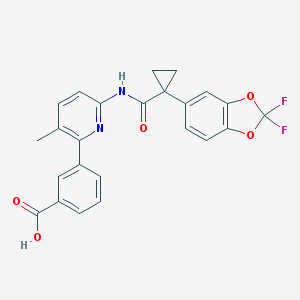
Lumacaftor (Vertex’ VX-809)

Lumacaftor (Vertex’ VX-809)

I was quoted in an article in the March 11, 2013 issue of Elsevier Business Intelligence’s The Pink Sheet by senior writer Joseph Haas. The article is entitled . A subscription is required to view the full text of this article.

The article focused on the newly-approved disease modifying drug ivacaftor (Vertex’ Kalydeco), as well as programs in drug discovery and development of disease-modifying drugs for cystic fibrosis (CF) at Vertex, PTC Therapeutics, Proteostasis Therapeutics, Pfizer, and Genzyme. It also discussed pipeline products aimed at treating or preventing life-threatening infections in CF patients at such companies as KaloBios, Insmed, and Savara.

Mr. Haas interviewed me for this article. Most of the content of our interview is available in our February 15, 2013 article on the Biopharmconsortium Blog. One company whose R&D program we did not cover in that article is Proteostasis. Proteostasis’ CF program, which is being carried out in collaboration with the Scripps Research Institute, is aimed at discovery and development of compounds that promote CFTR ΔF508 folding and trafficking. This program is in the research and lead optimization stage. We discussed R&D programs at other companies (Vertex, Pfizer) that are also aimed at correction of improper CFTR ΔF508 folding and trafficking in our February 15, 2013 article.

KaloBios’ KB001-A, a bacterial virulence factor-targeting agent

Among the agents aimed at ameliorating life-threatening infections in CF patients that were discussed in the Pink Sheet article is KB001-A, a monoclonal antibody (MAb) agent being developed by KaloBios (South San Francisco, CA). KB001-A is now in Phase 2 development for prevention of Pseudomonas aerguinosa infections in the lungs of CF patients. KB001-A targets an extracellular component of the bacterium’s type III secretion system. This system enables the bacteria to kill immune cells by injection of protein toxins into these cells.

The type III secretion system is an example of a virulence factor. Virulence factors are not expressed by a strain of pathogenic bacteria in vitro, but are expressed only when the bacteria infect a host. Once expressed, they enable the bacteria to colonize the host and cause disease.

In our June 11, 2012 article on this blog, we discussed an antibacterial drug discovery strategy aimed at targeting two related physiological systems that are important in the ability of pathogenic bacteria to cause disease, but are not essential for bacterial proliferation or survival. These systems are virulence factors and quorum sensing. At least by hypothesis, agents that disrupt these systems will prevent pathogenic bacteria from causing disease without selecting for resistant strains of the bacteria. This will give such agents an advantage over conventional antibiotics, which notoriously generate resistant strains when used to treat infections. According to the Pink Sheet article, KaloBios believes that P. aerguinosa bacteria will not develop resistance to KB001-A, which is in accord with this hypothesis.

Another issue with anti-infectives used to treat CF that is discussed in the Pink Sheet article is the definition of a “disease-modifying” agent for CF. We define disease-modifying agents as drugs that ameliorate or cure a disease by targeting the root cause of that disease. However, KaloBios considers KB001-A to be a disease-modifying agent. That is because the company believes that most CF patients die of the effects of P. aerguinosa infection, which causes deterioration of the patients’s lungs. Thus an effective anti-P. aerguinosa agent may produce dramatic increases in patients’ lifespans.

Perhaps the real issue is that one should not classify CF drugs as “disease-modifying” agent and agents that merely treat “symptoms” (as is done in the Pink Sheet article) but should define infections of CF patients as “complications” of the disease. Thus anti-infectives such as KB001-A may effectively treat a major life-threatening complication of CF, without modifying the underlying disease. Such an agent would result in increased lifespans (and improved quality of life) for CF patients, without affecting their underlying disease. As KaloBios asserts, anti-infective agents like KB001-A would be complementary to such disease-modifying agents as ivacaftor.

________________________________

As the producers of this blog, and as consultants to the biotechnology and pharmaceutical industry, Haberman Associates would like to hear from you. If you are in a biotech or pharmaceutical company, and would like a 15-20-minute, no-obligation telephone discussion of issues raised by this or other blog articles, or an initial one-to-one consultation on an issue that is key to your company’s success, please contact us by phone or e-mail. We also welcome your comments on this or any other article on this blog.


Ivacaftor

Ivacaftor

In our January 24, 2013 article on this blog, we discussed the cases of two genetic diseases, sickle cell disease (SCD) and cystic fibrosis (CF). In both cases, the genetic cause of the disease was identified decades ago. However, no disease-modifying drugs for SCD have yet been developed.

In the case of CF, small-molecule disease-modifying drugs have only recently entered the pipeline. In one case, such a drug–ivacaftor (Vertex’ Kalydeco), was approved both in the U.S. and in Europe in 2012.

In this article, we discuss the development of small-molecule drugs for CF.

Cystic fibrosis

As we discussed in our earlier article, CF causes a number of symptoms, which affect the skin, the lungs and sinuses, and the digestive, endocrine, and reproductive systems. Notably, people with CF accumulate thick, sticky mucus in the lungs, resulting in clogging of the airways due to mucus build-up. This leads to inflammation and bacterial infections. Ultimately, lung transplantation is often necessary as the disease worsens. With proper management, patients can live into their late 30s or 40s.

The affected gene in CF and the most common mutation that causes the disease (called ΔF508 or F508del) were identified by Francis S Collins, M.D., Ph.D. (then at the Howard Hughes Medical Institute and Departments of Internal Medicine and Human Genetics, University of Michigan, Ann Arbor, MI) and his colleagues in 1989. (Dr. Collins was subsequently the leader of the publicly-funded Human Genome Project and is now the Director of the National Institutes of Health, Bethesda, MD.)

The gene that is affected in cystic fibrosis encodes a protein known as the cystic fibrosis transmembrane conductance regulator (CFTR).  CFTR regulates the movement of chloride and sodium ions across epithelial membranes, including the epithelia of lung alveoli. CF is an autosomal recessive disease, which is most common in Caucasians; one in 2000–3000 newborns in the European Union is found to be affected by CF. ΔF508 is a deletion of three nucleotides that causes the loss of the amino acid phenylalanine at position 508 of the CFTR protein. The ΔF508 mutation accounts for approximately two-thirds of CF cases worldwide and 90% of cases in the United States. However, there are over 1500 other mutations that can cause CF.

CFTR is an ion channel–specifically a chloride channel.  Ion channels constitute an important class of drug targets, which are targeted by numerous currently marketed drugs, e.g., calcium channel blockers such as amlodipine (Pfizer’s Norvasc; generics) and diltiazem (Valeant’s Cardizem; generics). These compounds were mainly developed empirically by traditional pharmacology before knowing anything about the molecular nature of their targets.

However, discovery of novel ion channel modulators via modern molecular methods has proven to be challenging, mainly because of the difficulty in developing assays suitable for drug screening. In addition, development of suitable assays for assaying chloride channel function has lagged behind the development of assays for the function of cation channels (e.g., sodium and calcium channels).

Moreover the most common CFTR mutation that causes CF, ΔF508, results in defective cellular processing, and the mutant CTFR protein is retained in the endoplasmic reticulum. In the case of some other mutant forms of CTFR (accounting for a small percentage of CF patients), the mutant proteins reach the cell membrane, but are ineffective in chloride-channel function.

Vertex’ program for the development of small molecule CF drugs

Efforts aimed at the discovery of small-molecule drugs for CF began in 1998, when the nonprofit Cystic Fibrosis Foundation (CFF) established its Therapeutics Development Program. This included a drug discovery unit, through which CFF would support both academic and industrial research. An early recipient of CFF funding via this program was a small biotech company, Aurora Biosciences (San Diego, CA).  Aurora had developed technology for ultra-high-throughput screening in cellular assays, which they were applying to the discovery of small-molecule drugs for CF. In 2001, Vertex Pharmaceuticals (Cambridge, MA) acquired Aurora. Vertex then incorporated Aurora’s technology into its drug discovery programs, including its CF program. Vertex’ CF program received continuing support from CFF.

Vertex researchers screened thousands of drug-like and lead-like synthetic compounds in recombinant mouse cells expressing mutant human CFTR. Positive hits that met criteria for developability were further tested in a rat epithelial cell line that expressed the mutant CFTR. Compounds selected for further study were also tested for rescue of CFTR activity in cultured primary human lung airway epithelial cells from CF patients, which expressed the same mutant CFTRs studied in the recombinant cell assays. Performing the latter studies required isolating the epithelial cells from lung tissue of CF patients. The thick mucus found in CF lungs made this isolation very challenging. According to Vertex researcher and project head Fred Van Goor, researchers had to use tweezers to extract the mucus, in order to isolate the cells. It reportedly took all of 2003 to develop cellular assays (both in primary and recombinant cells) to conduct the drug discovery studies.

Vertex’ high-throughput screening studies resulted in the identifications of two types of lead compounds:

  • CFTR potentiators, which potentiate the chloride channel activity of mutant CFTR molecules at the cell surface;
  • CFTR correctors, which partially correct the folding and/or trafficking defect of such mutant CFTRs as ΔF508, thus facilitating exit from the endoplasmic reticulum and deposition of a portion of the mutant CFTR in the cell membrane.

Vertex’ ivacaftor, a CFTR potentiator

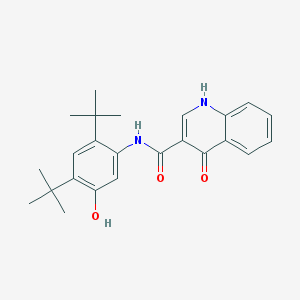
The Vertex screening studies discussed in the previous section, published in 2006, resulted in clinical candidates in both the potentiator and corrector classes. The company pursued development of one potentiator compound, ivacaftor (formerly known as VX-770) (Vertex’ Kalydeco). Ivacaftor is indicated only in patients with the G551D (Gly551Asp) mutation in CFTR, which only accounts for around 4% of CF patients.

Ivacaftor was discovered via high-throughput screening as described in the previous section, followed by lead optimization. The compound increased chloride channel function both in recombinant cells carrying mutant CFTR, and in cultured primary human lung airway epithelial cells from CF patients. Ivacaftor was found to be efficacious in opening both CFTR G551D and CFTR ΔF508 present in the cell membranes of recombinant cells. However, because of the retention of  CFTR ΔF508 in the endoplasmic reticulum in human lung airway epithelial cells, this compound is not efficacious in treating CF patients carrying this mutation. The lack of efficacy in patients homozygous for CFTR ΔF508 was confirmed in a subsequent clinical trial.

On February 23, 2011, that a Phase 3 trial of ivacaftor (then called VX-770) showed marked improvement in lung function in CF patients carrying the CFTR G551D mutation. Treated patients also had significant weight gain, showed reduced sweat chloride (a CF biomarker), and were less likely to have a pulmonary exacerbation. The results of this Phase 3 trial were published in the New England Journal of Medicine. Also in 2011, Vertex submitted a New Drug Application (NDA) for ivacaftor.  In January 2012, the FDA approved ivacaftor for treatment of CF patients carrying the CFTR G551D mutation. In July 2012, Vertex received European approval for this drug.

Vertex’ lumacaftor (VX-809) and VX-661, CFTR correctors

Vertex is currently developing the CFTR corrector lumacaftor (VX-809). The company has completed Phase 2 studies of a combination of ivacaftor and lumacaftor/VX-809 in CF patients who are homozygous for the CFTR ΔF508 mutation. It is now planning pivotal phase 3 trials of the combination therapy in this patient population. The rationale for the combination treatment is that VX-809 potentates the deposition of CFTR ΔF508 in the cell membrane, and invacaftor potentiates the function of cell-surface CFTR ΔF508.

Vertex is also conducting Phase 2 trials of another CTFR corrector, VX-661, alone and in combination with ivacaftor/VX-770 in CF patients homozygous for CFTR ΔF508.

The Cystic Fibrosis Foundation’s collaboration with Pfizer

The CFF has also been collaborating with Pfizer to discover drugs to treat patients carrying the the CFTR ΔF508 mutation. This collaboration began after the 2010 acquisition by Pfizer of FoldRX (Cambridge, MA). In November 2012, the CFF and Pfizer expanded their collaboration.

The Pfizer/CFF collaboration builds on FoldRx’s cystic fibrosis research program in collaboration with the CFF, which started in 2007. FoldRX (now a wholly-owned subsidiary of Pfizer) specializes in discovering and developing drugs to treat diseases of protein misfolding. The correction of protein misfolding clearly applies to CFTR ΔF508 protein.

Under the expanded six-year CFF/Pfizer collaboration, the CFF will invest up to $58 million to support and accelerate the discovery and development of disease-modifying therapies for CFTR ΔF508 CF. The goal of the collaboration is to advance one or more drug candidates into the clinic by the end of the six-year period. The CFF will provide scientific as well as financial support to help advance this discovery program.

Ataluren, for treatment of patients with CFTR nonsense mutations

Ataluren (formerly known as PTC124), is being developed by PTC Therapeutics for various genetic diseases caused by nonsense mutations in critical genes. The drug is currently being investigated for use in patients with nonsense mutation Duchenne/Becker muscular dystrophy (DBMD) and cystic fibrosis (CF). PTC Therapeutics’ efforts in CF are supported by a grant from the CFF.

Ribosomes normally translate messenger RNAs (mRNAs) into protein until arriving at a normal stop codon in the mRNA, at which point the ribosome stops translation, resulting in a functional protein. Nonsense mutations, however, create a premature stop signal in the mRNA coding sequence. This causes the ribosome to stop translation before a functioning protein is generated, creating a truncated, nonfunctional protein. This can result in disease.

Ataluren is designed to allow the ribosome to ignore the premature stop signal and continue translation of the mRNA, resulting in formation of a functioning protein. Ataluren does not cause the ribosome to read through the normal stop signal.

The results of clinical trials of ataluren in pediatric (Phase 2a) and adult (Phase 2) patients with nonsense-mutation CF showed that the drug resulted in production of functional CFTR protein and statistically significant improvements in CFTR chloride channel function. Ataluren treatment was also associated with significant reductions in cough frequency and trends toward improvement in pulmonary function tests.

Conclusions

As we discussed in our January 24, 2013 article on this blog, the 1989 identification of the genetic cause of CF did not immediately lead to the development of disease-modifying drugs. Bottlenecks in the pathway from genetic research to small-molecule drugs included understanding the different ways (e.g., deficiencies in chloride channel function, deficiencies in protein processing, blockages in protein translation due to nonsense mutations) in which the many mutations that can cause CF act, and the need to develop effective assays for use in drug discovery.

The 2012 approval of the CFTR potentiator ivacaftor (Vertex’ Kalydeco) in the U.S. and Europe represents a real milestone in CF drug development. Vertex and the CFF should be congratulated on their breakthrough CF R&D program, which required the willingness to pursue a long pathway to development.

Other compounds that target CFTR are in Phase 2 development. All indications suggest that treatment for CF will represent a case of “personalized medicine”, as befits a disease that is caused by multiple mutations that act at different levels of protein synthesis, processing, and function.

As is typical for personalized medicines that target rare diseases, Kalydeco is expensive. The drug reportedly costs upwards of $294,000 for a year’s supply. Vertex says that it will supply Kalydeco free to U.S. patients with no insurance and a household income of under $150,000.

With the interest of pharmaceutical and biotechnology companies in developing targeted therapies and therapies for rare diseases, the story of the development of small-molecule drugs for CF represents an important case study in drug discovery and development in the 2010s. , the emphasis on targeted drugs and rare diseases has also resulted in the the recent increase in FDA drug approvals; the agency approved 39 new drugs in 2012, which represents a 16-year high.
________________________________

As the producers of this blog, and as consultants to the biotechnology and pharmaceutical industry, Haberman Associates would like to hear from you. If you are in a biotech or pharmaceutical company, and would like a 15-20-minute, no-obligation telephone discussion of issues raised by this or other blog articles, or an initial one-to-one consultation on an issue that is key to your company’s success, please contact us by phone or e-mail. We also welcome your comments on this or any other article on this blog.