CXCR-1 N-terminal peptide bound to IL-8

CXCR-1 N-terminal peptide bound to IL-8

In our October 31, 2013 blog article, we discussed recent structural studies of the chemokine receptors CCR5 and CXCR4. We discussed the implications of these studies for the treatment of HIV/AIDS, especially using the CCR5 inhibitor maraviroc (Pfizer’s Selzentry/Celsentri). As discussed in the article, researchers are utilizing the structural studies of CCR5 and CXCR4 to develop improved HIV entry inhibitors that target these chemokine receptors.

Meanwhile, other researchers have been studying the role of chemokine receptors in cancer biology, and the potential use of chemokine receptor antagonists in cancer treatment.

CCR5 antagonists as potential treatments for metastatic breast cancer

One group of researchers, led by Richard G. Pestell, M.D., Ph.D. (Thomas Jefferson University, Philadelphia, PA) has been studying expression of CCR5 and its ligand CCL5 (also known as RANTES) and their role in breast cancer biology and pathogenesis. Their report of this study was published in the August 1, 2012 issue of Cancer Research.

These researchers first studied the combined expression of CCL5 and CCR5 in various subtypes of breast cancer, by analyzing a microarray database of over 2,000 human breast cancer samples. (The database was compiled from 27 independent studies). They found that CCL5/CCR5 expression was preferentially expressed in the basal and HER-2 positive subpopulations of human breast cancer.

Because of the high level of unmet medical need in treatment of basal breast cancer, the authors chose to focus their study on this breast cancer subtype. As the researchers point out, patients with basal breast cancer have increased risk of metastasis and low survival rates. Basal tumors in most cases do not express either androgen receptors, estrogen receptors (ERs), or HER-2. They thus cannot be treated with such standard receptor-targeting breast cancer therapeutics as tamoxifen, aromatase inhibitors, or trastuzumab. The only treatment options are cytotoxic chemotherapy, radiation, and/or surgery. However, these treatments typically results in early relapse and metastasis.

The basal breast cancer subpopulation shows a high degree of overlap with triple-negative (TN) breast cancer. We discussed TN breast cancer, and research aimed at defining subtypes and driver signaling pathways, in our August 2, 2011 article on this blog. In that article, we noted that TN breast cancers include two basal-like subtypes, at least according to one study. Other researchers found that 71% of TN breast cancers are of basal-like subtype, and that 77% of basal-like tumors are TN. A good part of the problem is that there is no accepted definition of basal-like breast cancers, and how best to define such tumors is controversial. However, both the TN and the basal subpopulations are very difficult to treat and have poor prognoses. It is thus crucial to find novel treatment strategies for these subpopulations of breast cancer.

Dr. Pestell and his colleagues therefore investigated the role of CCL5/CCR5 signaling in three human basal breast cancer cell lines that express CCR5. They found that CCL5 promoted intracellular calcium (Ca2+) signaling in these cells. The researchers then determined the effects of CCL5/CCR5 signaling in promoting in vitro cell invasion in a 3-dimensional invasion assay. For this assay, the researchers assessed the ability of cells to move from the bottom well of a Transwell chamber, across a membrane and through a collagen plug, in response to CCL5 as a chemoattractant. The researchers found that CCR5-positive cells, but not CCR5-negative cells, showed CCL5-dependent invasion.

The researchers then studied the ability of CCR5 inhibitors to block calcium signaling and in vitro invasion. The agents that they investigated were maraviroc and vicriviroc. Maraviroc (Pfizer’s Selzentry/Celsentri) is the marketed HIV-1 entry inhibitor that we discussed in our October 31, 2013 articleVicriviroc is an experimental HIV-1 inhibitor originally developed by Schering-Plough. Schering-Plough was acquired by Merck in 2009. Merck discontinued development of vicriviroc because the drug failed to meet primary efficacy endpoints in late stage trials.

Pestell et al. found that maraviroc and vicriviroc inhibited calcium responses by 65% and 90%, respectively in one of their CCR5-positive basal cell breast cancer lines, and gave similar results in another cell line. The researchers then found that  in two different CCR5-positive basal breast cancer cell lines, both maraviroc and vicriviroc inhibited in vitro invasion.

The researchers then studied the effect of maraviroc in blocking in vivo metastasis of a CCR5-positive basal cell breast cancer line, which had been genetically labeled with a fluorescent marker to facilitate noninvasive visualization by in vivo bioluminescence imaging (BLI). They used a standard in vivo lung metastasis assay, in which cells were injected into the tail veins of immunodeficient mice, and mice were treated by oral administration with either maraviroc or vehicle. The researchers then looked for lung metastases. They found that maraviroc-treated mice showed a significant reduction in both the number and the size of lung metastases, as compared to vehicle-treated mice.

In both in vitro and in vivo studies, the researchers showed that maraviroc did not affect cell viability or proliferation. In mice with established lung metastases, maraviroc did not affect tumor growth. Maraviroc inhibits only metastasis and homing of CCR5-positive basal cell breast cancer cells, but not their viability or proliferation.

As the result of their study, the researchers propose that CCR5 antagonists such as maraviroc and vicriviroc may be useful as adjuvant antimetastatic therapies for breast basal tumors with CCR5 overexpression.  They may also be useful as adjuvant antimetastatic treatments for other tumor types where CCR5 promotes metastasis, such as prostate and gastric cancer.

As usual, it must be emphasized that although this study is promising, it is only a preclinical proof-of-principle study in mice, which must be confirmed by human clinical trials.

In an October 25, 2013 Reuters news story, it was revealed that Citi analysts believe that Merck will take vicriviroc into the clinic  in cancer patients in 2014. Citi said that it expected vicriviroc to be tested in combination with “a Merck cancer immunotherapy” across multiple cancer types, including melanoma, colorectal, breast, prostate and liver cancer. (We discussed Merck’s promising cancer immunotherapy agent lambrolizumab/MK-3475 in our June 25, 2013 blog article. But the Merck agent to be tested together with vicriviroc was not disclosed in the Reuters news story.)

Despite this news story, Merck said that it had not disclosed any plans for clinical trials of vicriviroc in cancer.

The CXCR1 antagonist reparixin as a potential treatment for breast cancer

In our In April 2012 book-length report, “Advances in the Discovery of Protein-Protein Interaction Modulators” (published by Informa’s Scrip Insights), we discussed the case of the allosteric chemokine receptor antagonist reparixin (formerly known as repertaxin). Reparixin has been under developed by Dompé Farmaceutici (Milan, Italy). This agent targets both CXCR1 and CXCR2, which are receptors for interleukin-8 (IL-8). IL-8 is a well-known proinflammatory chemokine that is a major mediator of inflammation. As we discussed in our report, reparixin had been in Phase 2 development for the prevention of primary graft dysfunction after lung and kidney transplantation. However, it failed in clinical trials.

Meanwhile, researchers at the University of Michigan (led by Max S. Wicha, M.D., the Director of the University of Michigan Comprehensive Cancer Center) and at the Institut National de la Santé et de la Recherche Médicale (INSERM) in France were working to define a breast cancer stem cell signature using gene expression profiling. They found that CXCR1 was among the genes almost exclusively expressed in breast cancer stem cells, as compared with its expression in the bulk tumor.

IL-8 promoted invasion by the cancer stem cells, as demonstrated in an in vitro invasion assay. The CXCR1-positive, IL-8 sensitive cancer stem cell population was also found to give rise to many more metastases in mice than non-stem cell breast tumor cells isolate from the same cell line. This suggested the hypothesis that a CXCR1 inhibitor such as reparixin might be used as an anti-stem cell, antimetastatic agent in the treatment of breast cancer.

Dr. Wicha and his colleagues then studied the effects of blockade of CXCR1 by either reparixin or a CXCR1-specific blocking antibody on  bulk tumor and cancer stem cells in two breast cancer cell lines. The researchers found in in vitro studies that treatment with either of these two CXCR1 antagonists selectively depleted the cell lines of cancer stem cells (which represented 2% of the tumor cell population in both cell lines).

This depletion was followed by the induction of massive apoptosis of the bulk, non-stem tumor cells. This was mediated via a bystander effect, in which CXCR1-inhibited stem cells produce the soluble death mediator FASL (FAS ligand). FASL binds to FAS receptors on the bulk tumor cells, and induces an apoptotic pathway in these cells that results in their death.

In in vivo breast cancer xenograft models, the researchers treated tumor-bearing mice with either the cytotoxic agent docetaxel, reparixin, or a combination of both agents. Docetaxel treatment–with or without reparixin–resulted in a significant inhibition of tumor growth, while reparixin alone gave only a modest reduction in tumor growth. However, treatment with docetaxel alone gave no reduction (or an increase) in the percentage of stem cells in the tumors, while reparixin–either alone or in combination with docetaxel–gave a 75% reduction in the percentage of cancer stem cells. Moreover, in in vivo metastasis studies in mice, reparixin treatment gave a major reduction in systemic metastases. These results suggest that reparixin may be useful in eliminating breast cancer stem cells and in inhibiting metastasis and thus preventing recurrence of cancer in patients treated with chemotherapy.

As we discussed in our 2012 report, Dr. Wicha’s research on reperixin might represent an opportunity for Dompé to repurpose reperixin for cancer treatment. Since the publication of the 2012 report, Dompé has been carrying out a Phase 2 pilot study of reparixin in patients diagnosed with early, operable breast cancer, prior to their treatment via surgery. The goal of this study is to investigate if cancer stem cells decrease in two early breast cancer subgroups (estrogen receptor-positive and/or progesterone receptor positive/HER-2-negative, and estrogen receptor negative/progesterone receptor negative/HER-2-negative). The goal is to compare any differences between the two subgroups in order to better identify a target population.

Dompé has thus begun the process of clinical evaluation of reparixin for the new indication–treatment of breast cancer in order to inhibit metastasis and prevent recurrence.

Conclusions

Researchers have found promising evidence that at least two chemokine/chemokine receptor combinations may be involved in cancer stem cell biology and thus in the processes of metastasis and cancer recurrence. In at least one case–and perhaps both–companies are in the early stages of developing small-molecule chemokine receptor antagonists for inhibiting breast cancer metastasis and recurrence. Such a strategy might be applicable to other types of cancer as well.

As discussed by Wicha et al., in immune and inflammatory processes, chemokines serve to facilitate the homing and migration of immune cells. In the case of cancer, chemokines may act as “stemokines”, by facilitating the homing of cancer stem cells in the process of metastasis. Other chemokines and their receptors than those discussed in this article may be involved in other types of cancer, and may carry out similar “stemokine” functions.

Since around 90% of cancer deaths are due to metastasis, and since effective treatments for metastatic cancers are few, this is a potentially important area of cancer research and drug development.


As the producers of this blog, and as consultants to the biotechnology and pharmaceutical industry, Haberman Associates would like to hear from you. If you are in a biotech or pharmaceutical company, and would like a 15-20-minute, no-obligation telephone discussion of issues raised by this or other blog articles, or of other issues that are important to  your company,  please contact us by phone or e-mail. We also welcome your comments on this or any other article on this blog.

Chronic Myeloid Leukemia. Source: Paulo Mourao. http://bit.ly/14ZLZqA

Chronic Myeloid Leukemia. Source: Paulo Mourao. http://bit.ly/14ZLZqA

Both the 28 June 2013 issue of Science and the 27 June 2013 issue of Nature have articles or sections that feature discussions of new ways to treat or even cure various types of leukemia.

The human interest story about T-cell immunotherapy researchers in Science

The 28 June 2013 issue of Science contains an article by Science staff writer Jennifer Couzin-Frankel entitled “The Dizzying Journey to a New Cancer Arsenal”. It focuses on researchers who have been working in the engineered T cell adoptive immunotherapy project at the Perelman School of Medicine of the University of Pennsylvania. We featured a discussion of this project, which since August 6, 2012 has involved a collaboration with Novartis, in our September 12, 2012 article on this blog.

Ms. Couzin-Frankel’s article is a human interest story which especially focuses on Carl June, MD, and how he came to work on T-cell immunotherapy. This included how cancer had touched his own life, with the death of his first wife, Cynthia, in 2001. The article also focused on patients who were successfully treated with the therapy, including biotech company scientist Douglas Olson, and Emily Whitehead, who is now eight years old and achieved remission from what had been end-stage leukemia over a year ago.

As we discussed in our September 2012 article, the Penn group has been developing adoptive immunotherapy based on autologous T cells engineered with chimeric antigen receptors (CARs). Specifically, this involved a CAR with specificity for the B-cell antigen CD19, coupled with the T cell costimulatory receptor CD137 and CD3-zeta (a signal-transduction component of the T-cell antigen receptor) signaling domains. (In the Science article, CD19 is referred to by its alternative name, 4-1BB.) These engineered T cells are designed for the treatment of B-cell leukemias, such as B-cell chronic lymphocytic leukemia (CLL). As discussed both in our 2012 blog article and in the 2013 Science article, Novartis has been collaborating with the Penn group in order to industrialize production of the autologous engineered T cells and their use in treatment of patients. Via the ability of Penn to patent and license its technology, the Novartis collaboration also provides a potential means to conduct clinical trials under FDA regulation, and thus to commercialize a form of adoptive cellular immunotherapy for the first time.

Nature’s special supplement on leukemia

The 27 June 2013 issue of Nature includes an entire Nature Outlook supplement on “Leukaemia”. The supplement–or at least the portion of it that consists of articles produced under Nature’s “full responsibility for all editorial content” is available free online to all.

The general theme of the special supplement is stated in the introductory article by science writer and editor Apoorva Mandavilli “While survival rates for some types of leukaemia have improved dramatically, this family of blood cancers remains a potentially fatal disease. Research in epigenetics, immunotherapy, and cell transplants offers hope. And leukaemia is proving a testing ground for the theory of cancer stem cells — leading to knowledge that could advance cancer research overall.”

The Nature Perspective on adoptive T-cell immunotherapy by Penn researchers Levine and June

Included in the supplement is a short Perspective on CAR-based adoptive T-cell immunotherapy by Drs. Bruce L. Levine and Carl H. June of the Perelman School of Medicine at the University of Pennsylvania. It is entitled “Assembly line immunotherapy”. According to this Perspective, CAR technology [unlike the earlier tumor infiltrating lymphocyte (TIL) technology] enables researchers to ” efficiently produce large populations of T cells, approximating the mass of T cells in the human immune system”.

Drs. Levine and June further assert that by “using equipment and facilities developed for blood banks and stem-cell laboratories, and by automating production”, it will be possible to make CAR-based adoptive cellular immunotherapies (ACTs) widely available. Thus leukemia treatment may be on the brink of a revolution such as the auto industry experienced in recent years in moving from manual assembly lines to robotic automation.

Despite the issue of the pharmaceutical industry and regulatory agencies such as the FDA and the European Medicines Agency being geared to developing drugs, not individually-prepared cellular therapies, Drs. Levine and June cite the case of  organ, bone-marrow, and stem-cell transplants. These modalities were seen as exotic a few decades ago, but are now utilized in treatment of tens of thousands of people. The authors thus envision that ACT may also eventually be scaled up to treat the large numbers of patients who might benefit from this type of therapy. However, this will require innovation in regulatory agency oversight, and in the means by which the pharmaceutical industry might commercialize such individualized technologies. As we discussed in our September 2012 Biopharmconsortium Blog article, Novartis and Penn are leading the way.

Moving toward cures for chronic myeloid leukemia–Dr. Charles Sawyers’ Perspective

Another Perspective in the special supplement is authored by Charles L. Sawyers, M.D. [Chair, Human Oncology and Pathogenesis Program, Memorial Sloan-Kettering Cancer (New York, NY), and Howard Hughes Medical Institute]. The Perspective, entitled “Combined forces”, focuses on chronic myeloid leukemia (CML). The first targeted kinase inhibitor for cancer, imatinib (Novartis’ Gleevec/Glivec) was initially approved for treatment of CML.

In our October 25, 2010 article on this blog, we discussed the classic proof-of-concept clinical trial that helped launch imatinib toward FDA approval. As we discussed in that article, Dr. Sawyers was a key leader of that trial. He was a co-recipient–with Drs.  Brian J. Druker and Nicholas B. Lydon, of the 2009 Lasker~DeBakey Award for Clinical Medical Research for his work on treatment of CML.

As we discussed in our Octotber 2010 article, imatinib is highly specific for the BCR-ABL fusion protein [which is generated as the result of the translocation that produces the Philadelphia (Ph) chromosome, the characteristic genetic abnormality of CML], as well as two other protein kinases. CML patients who are initially successfully treated with imatinib may experience resistance to that drug. As a result, two second-generation kinase inhibitors–dasatinib (Bristol-Myers Squibb’s Sprycel) and nilotinib (Novartis’ Tasigna) were developed to target imatinib-resistant mutated BCR-ABL proteins, and thus successfully treat imatinib-resistant CML. More recently–in September 2012–as mentioned in Dr. Sawyers’ Perspective, another second-generation agent, bosutinib (Pfizer’s Bosulif), has reached the market. A still newer agent, ponatinib (Ariad’s Iclusig) was approved in December 2012, under the FDA’s Accelerated Approval Program. Ponatinib is of special interest, since it  targets the T315I mutation, which confers resistance to all the other four targeted CML drugs.

In Dr. Sawyers’ Perspective, he discusses how oncologists might use the current armamentarium of targeted drugs for CML to move toward a cure for the disease. Resistance to imatinib occurs because of selection for resistant mutants of BCR-ABL . Second-generation agents inhibit BCR-ABL kinases with these mutations, thus restoring disease remission. The current armamentarium of kinase inhibitor drugs for CML covers all known resistance mutations; however, no single drug can prevent all forms of resistance.

The current paradigm for treatment of CML has been to start with imatinib, and keep treating with that agent until the patient develops resistance to that drug and disease recurs. Then the physician treats with one of the second-generation agents, which typically produces disease remission. However, this sequential treatment can select for cells with BCR-ABL molecules that contain multiple mutations, which will be resistant to all kinase inhibitors. (See a 2007 report by Dr. Sawyers and his collaborators demonstrating the hazard of sequential therapy with imatinib followed by dasatinib.)

Because the second-generation agents dasatinib and nilotinib are more potent than imatinib, they were approved for frontline therapy of CML instead of imatinib, subsequent to the publication of Dr.Sawyers’ 2007 article. They were approved for frontline therapy because of their superior clinical outcomes in head-to-head comparisons against imatinib. (Bosutinib and ponatinib are newer, and have not yet received frontline therapy approval.) However, Dr. Sawyers counsels caution, since  dasatinib and nilotinib have been studied for only 3–4 years compared with the 8–10 years of data that have amassed for imatinib. Thus replacing imatinib with one of these agents might still result in development of resistance down the road.

Dr. Sawyers postulates that Instead of focusing on which individual drug is best as a monotherapy, it is time for researchers to consider whether it might be better to use combination therapy with multiple kinase inhibitors instead of sequential therapy. Extrapolating from the experience with single- versus multi-agent therapy for tuberculosis and HIV/AIDS, a combination of two or three ABL inhibitors with non-overlapping BCR–ABL mutation resistance profiles would almost certainly prevent the emergence of drug resistance. This is particularly true in the light of ponatinib’s success against T315I.

In a recent French study cited by Dr. Sawyers, researchers found that patients with the best responses to treatment with imatinib alone (no BCR–ABL detectable for more than two years) may no longer need any kinase inhibitor drugs at all. In this study, 40% of patients had not relapsed after 18 months. This raises the possibility that these patients may be cured of their disease.

Dr. Sawyers hypothesizes that since next-generation BCR-ABL inhibitors have greater potency in clinical trials, and since two-drug combinations are superior to monotherapies in preclinical studies, upfront therapy with either a second-generation inhibitor or with a combination therapy may result in even higher percentages of patients who experience elimination of all CML cells.

Even though these more potent treatments would be even more costly than imatinib therapy, if these treatments are curative, their long-term cost will be lower than the current treatment. Therefore, they might be both medically and economically advantageous, as well as giving cancer patients what they really want–a cure.

Meanwhile, in the 18 July 2013 issue of Nature, Drs. Natalia L. Komarova (University of California Irvine, Irvine CA) and C. Richard Boland (Baylor University Medical Center, Dallas TX) published a News and Views article discussing recently published mathematical models that predict that combination therapy is more effective than sequential treatment in preventing drug resistance in cancer. These mathematical models were developed especially for treatment of CML and the solid tumors melanoma, pancreatic cancer, and colorectal cancer. But these types of models may apply to all cancers for which targeted therapies have been or are being developed.

Moving toward cures for chronic myeloid leukemia–the Novartis 27 June 2013 white paper

Bound with the Nature Outlook supplement on leukemia–immediately following the Levine & June article on adoptive immunotherapy–is a white paper by Novartis researchers (Szczudlo et al.), entitled “The Novartis research vision and approach for treating patients with chronic myeloid leukaemia”. Unfortunately, since this “sponsor feature” was not written under Nature’s “full responsibility for all editorial content”, this white paper is treated almost as an advertisement. It is not available in the online version of Nature, or anywhere else online. Perhaps Novartis will make this valuable white paper available online in the near future. As with other published reviews in scientific journals (and unlike advertisements), this white paper is signed by its authors, and has reference citations.

The subject of the white paper is developing approaches that will enable CML patients on tyrosine kinase inhibitor (TKI) therapy to safely and effectively suspend their drug therapy, while maintaining minimal residual disease (MRD) levels that are either undetectable or below the level at which there is a risk of progression to more advanced phases of disease. Such a condition is known as “treatment-free remission” (TFR).

The research that is the focus of the Novartis white paper does not involve treatment with combination therapies, but monotherapy with nilotinib (Novartis’ Tasigna). The TFR-focused clinical trials with nilotinib are made possible not only by the potency of this agent, but also the development of new diagnostic assays for level of residual disease. Traditional diagnostics for CML have been based on achieving a “complete cytogenetic response” (CCyR). A CCyR is defined as the state in which there are so few Philadelphia chromosome positive (Ph+) cells in a patient’s blood or marrow that they are undetectable by this assay.

The new diagnostic assays involves measuring levels of BCR-ABL messenger RNA (mRNA) transcripts using a real-time quantitative polymerase chain reaction (RQ-PCR). The results of these sensitive assays are reported as major molecular response [MMR–a 3-log reduction in BCR-ABL levels from the international scale (IS) baseline; molecular response ≥ 4.0 logs (MR4); and molecular response ≥ 4.5 logs (MR4.5)].

Using these assays, researchers are participating in new Novartis-sponsored clinical studies of

  1. patients who had previously been treated with imatinib, without achieving MR4.5, and who were then switched to nilotinib.
  2. patients treated do novo with nilotinib.

The strategy is to maintain patients on nilotinib who have achieved MR4.5 for one year at that level, and then discontinue drug treatment. These patients continue to be monitored, and must maintain ≤ MR4 in order to remain free of nilotinib treatment. Those who exceed this threshold will be put back on nilotinib. So far, in earlier studies, patients on imatinib or niolotinib who were ≤MR4 off-drug and who then exceeded this level, when put back on their drug went back to deeper levels of molecular response to therapy, and showed no drug resistance. These clinical trial protocols therefore appear to be safe.

For more information about the above clinical trials, see ClinicalTrials.gov, clinical trial number NCT01784068 and NCT01698905. Both of these trials are recruiting patients.

The Novartis white paper does discuss a different kind of combination therapy than the ones proposed by Dr. Sawyers–combination therapy with a potent TKI such as nilotinib and an agent that specifically targets leukemic stem cells (LSCs). TKI-insensitive leukemia stem cells have been implicated in the persistence of MRD, and LSCs could contribute to the re-emergence of disease following suspension of TKI treatment.

Novartis and its collaborators are now testing TKIs in combination with Novartis’ experimental agent sonidegib (LDE225). Sonidegib is an inhibitor of the hedgehog (Hh) pathway. Aberrant activation of the Hh pathway has been implicated in the activity of LSCs and of other types of cancer stem cells. A poster session that described an in vitro study of a combination of sonidegib and nilotinib in CML was presented at a scientific meeting in 2010. Sonidegib (which is also known as erismodegib) has also been undergoing preclinical studies as a potential inhibitor of prostate cancer stem cells.

Conclusions

We recommend the 28 June 2013 Science article by Jennifer Couzin-Frankel, and the special supplement on leukemia in the 27 June 2013 issue of Nature for your late summer reading. It is heartening to see that at least some researchers are moving towards cures for various types of leukemia–with potential implications for development of cures for other types of cancer.

__________________________________________

As the producers of this blog, and as consultants to the biotechnology and pharmaceutical industry, Haberman Associates would like to hear from you. If you are in a biotech or pharmaceutical company, and would like a 15-20-minute, no-obligation telephone discussion of issues raised by this or other blog articles, or of other issues that are important to  your company,  please contact us by phone or e-mail. We also welcome your comments on this or any other article on this blog.
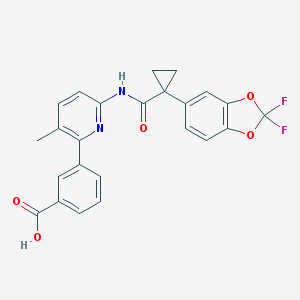
Lumacaftor (Vertex’ VX-809)

Lumacaftor (Vertex’ VX-809)

I was quoted in an article in the March 11, 2013 issue of Elsevier Business Intelligence’s The Pink Sheet by senior writer Joseph Haas. The article is entitled . A subscription is required to view the full text of this article.

The article focused on the newly-approved disease modifying drug ivacaftor (Vertex’ Kalydeco), as well as programs in drug discovery and development of disease-modifying drugs for cystic fibrosis (CF) at Vertex, PTC Therapeutics, Proteostasis Therapeutics, Pfizer, and Genzyme. It also discussed pipeline products aimed at treating or preventing life-threatening infections in CF patients at such companies as KaloBios, Insmed, and Savara.

Mr. Haas interviewed me for this article. Most of the content of our interview is available in our February 15, 2013 article on the Biopharmconsortium Blog. One company whose R&D program we did not cover in that article is Proteostasis. Proteostasis’ CF program, which is being carried out in collaboration with the Scripps Research Institute, is aimed at discovery and development of compounds that promote CFTR ΔF508 folding and trafficking. This program is in the research and lead optimization stage. We discussed R&D programs at other companies (Vertex, Pfizer) that are also aimed at correction of improper CFTR ΔF508 folding and trafficking in our February 15, 2013 article.

KaloBios’ KB001-A, a bacterial virulence factor-targeting agent

Among the agents aimed at ameliorating life-threatening infections in CF patients that were discussed in the Pink Sheet article is KB001-A, a monoclonal antibody (MAb) agent being developed by KaloBios (South San Francisco, CA). KB001-A is now in Phase 2 development for prevention of Pseudomonas aerguinosa infections in the lungs of CF patients. KB001-A targets an extracellular component of the bacterium’s type III secretion system. This system enables the bacteria to kill immune cells by injection of protein toxins into these cells.

The type III secretion system is an example of a virulence factor. Virulence factors are not expressed by a strain of pathogenic bacteria in vitro, but are expressed only when the bacteria infect a host. Once expressed, they enable the bacteria to colonize the host and cause disease.

In our June 11, 2012 article on this blog, we discussed an antibacterial drug discovery strategy aimed at targeting two related physiological systems that are important in the ability of pathogenic bacteria to cause disease, but are not essential for bacterial proliferation or survival. These systems are virulence factors and quorum sensing. At least by hypothesis, agents that disrupt these systems will prevent pathogenic bacteria from causing disease without selecting for resistant strains of the bacteria. This will give such agents an advantage over conventional antibiotics, which notoriously generate resistant strains when used to treat infections. According to the Pink Sheet article, KaloBios believes that P. aerguinosa bacteria will not develop resistance to KB001-A, which is in accord with this hypothesis.

Another issue with anti-infectives used to treat CF that is discussed in the Pink Sheet article is the definition of a “disease-modifying” agent for CF. We define disease-modifying agents as drugs that ameliorate or cure a disease by targeting the root cause of that disease. However, KaloBios considers KB001-A to be a disease-modifying agent. That is because the company believes that most CF patients die of the effects of P. aerguinosa infection, which causes deterioration of the patients’s lungs. Thus an effective anti-P. aerguinosa agent may produce dramatic increases in patients’ lifespans.

Perhaps the real issue is that one should not classify CF drugs as “disease-modifying” agent and agents that merely treat “symptoms” (as is done in the Pink Sheet article) but should define infections of CF patients as “complications” of the disease. Thus anti-infectives such as KB001-A may effectively treat a major life-threatening complication of CF, without modifying the underlying disease. Such an agent would result in increased lifespans (and improved quality of life) for CF patients, without affecting their underlying disease. As KaloBios asserts, anti-infective agents like KB001-A would be complementary to such disease-modifying agents as ivacaftor.

________________________________

As the producers of this blog, and as consultants to the biotechnology and pharmaceutical industry, Haberman Associates would like to hear from you. If you are in a biotech or pharmaceutical company, and would like a 15-20-minute, no-obligation telephone discussion of issues raised by this or other blog articles, or an initial one-to-one consultation on an issue that is key to your company’s success, please contact us by phone or e-mail. We also welcome your comments on this or any other article on this blog.
 

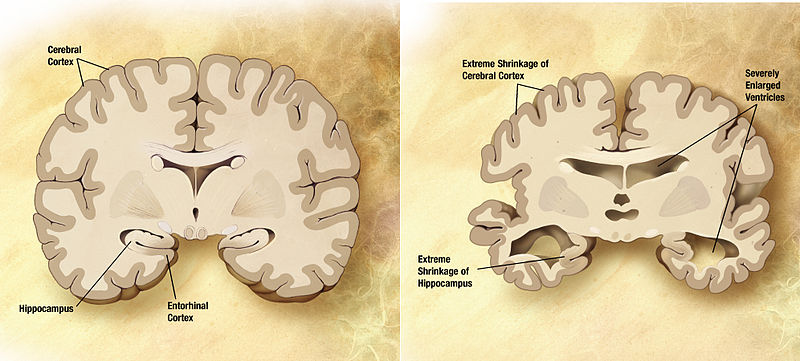
Normal and Alzheimer's brains compared.

Normal and Alzheimer’s brains compared.

Once again, approaches to improving clinical trials for candidate disease-modifying drugs for Alzheimer’s disease (AD) are in the news. On February 7, 2013, the FDA issued a Draft Guidance for Industry entitled “Alzheimer’s Disease: Developing Drugs for the Treatment of Early Stage Disease”.

This document has been distributed for comment purposes only, and the FDA is seeking public comment on the draft guidance for 60 days.

The wording of the Draft Guidance illustrates the extreme difficulty of defining populations with pre-AD or very early-stage AD, and of demonstrating the efficacy of a drug in ameliorating early-stage disease, and/or in preventing its progression to later-stage disease. The document states that the FDA is “open to considering the argument that a positive biomarker result (generally included as a secondary outcome measure in a trial) in combination with a positive finding on a primary clinical outcome measure may support a claim of disease modification in AD.”

However,  there is currently no evidence-based consensus as to which biomarkers might be appropriate to support clinical findings in trials in early AD. Moreover, in “pre-AD” or very early-stage AD (i.e., before the onset of overt dementia) mild disease-related impairments are extremely challenging to assess accurately. Thus both measuring clinical outcomes and assessment via biomarkers in very early-stage AD are fraught with difficulty, making determination of drug efficacy extremely difficult. The FDA thus appears to be seeking guidance from industry and from the academic community on how these knotty problems might be solved.

The move toward conducting clinical trials in early-stage AD patients

By issuing the Draft Guidance, the FDA adds its voice to that of an ever-increasing segment of the scientific community that calls for a new focus on conducting clinical trials in early-stage AD. We discussed this trend in our August 19, 2012 and August 28, 2012 articles on the Biopharmconsortium Blog.

As we discussed, this trend is driven in part by the Phase 3 failures of Pfizer/Janssen’s bapineuzumab and Lilly’s solanezumab in 2012. Now–in February 2013–Russell Katz, M.D. (director of the Division of Neurology Products in the FDA’s Center for Drug Evaluation and Research) says, “The scientific community and the FDA believe that it is critical to identify and study patients with very early Alzheimer’s disease before there is too much irreversible injury to the brain. It is in this population that most researchers believe that new drugs have the best chance of providing meaningful benefit to patients.”  In line with this statement, the FDA refused to entertain Lilly’s  secondary analysis of early stage patients in the solanezumab study that we discussed in our August 28, 2012 blog article. Instead, the FDA mandated that Lilly conduct a new Phase 3 trial that will exclude the moderate-stage patients who hadn’t responded, and focus only on early-stage patients.

Recent news on clinical trials in early-stage AD

Despite the difficulties highlighted in the Draft Guidance in conducting clinical trials in early-stage AD patients, three research groups are actually conducting such trials. We outlined these studies in our August 28, 2012 blog article, and discussed one of these studies, the one begin carried out by Genentech, in greater detail in our August 19 2012 article.

The three studies are:

  • Roche/Genentech’s Phase 2a trial of its its anti-amyloid MAb crenezumab, in presymptomatic members of a large Colombian kindred who harbor a mutation in presenilin 1 (PS1) that causes dominant early−onset familial AD.
  • Studies conducted in conjunction with the Dominantly Inherited Alzheimer Network (DIAN), a consortium led by researchers at Washington University School of Medicine (St. Louis, MO). This study will include people with mutations in any of the three genes linked to early-stage, dominantly-inherited AD–PS1, PS2, and amyloid precursor protein (APP). Initial studies focused on changes in biomarkers and in cognitive ability as a function of expected age of AD onset in people with these mutations. These included changes in concentrations of amyloid-β1–42 (Aβ42) in cerebrospinal fluid (CSF), and amyloid accumulation in the brain. In the first stage of the actual trial, three drugs (which have not yet been selected) will be tested in this population, and changes in biomarkers and cognitive performance will be followed.
  • The Anti-Amyloid Treatment of Asymptomatic Alzheimer’s (A4) trial, will involve treating adults without mutations in any of the above three genes, whose brain scans show signs of amyloid accumulation. A4 is thus designed to study prevention of sporadic AD (by far the most common form of the disease). It will enroll 500 people age 70 or older who test positive on a scan of amyloid accumulation in the brain. (This is in contrast to the two trials in subjects with gene mutations, who are typically in their 30s or 40s.) A4 will also have a control arm of 500 amyloid-negative subjects. Amyloid-positive and control subjects will be entered into a three-year double-blind clinical trial that will look at changes in cognition with drug treatment. The A4 researchers [led by Reisa Sperling, Brigham and Women’s Hospital/Harvard University (Boston, MA), and Paul Aisen, University of California, San Diego] planned to select a drug for testing by December 2012.

Now there is more recent news on two of these trials.

1. On December 13, 2012, the Los Angeles Times reported that Genentech and its collaborators [affiliated with the University of Antioquia medical school (Medellin, Colombia), the University of California at Los Angeles (UCLA), and the Banner Alzheimer’s Institute (Phoenix, AZ)] will begin their $100 million clinical trial of crenezumab with 100 Colombians who carry the PS1 mutation in the spring of 2013. Genentech is contributing $65 million of the study’s $100-million cost. The NIH and the Banner Alzheimer’s Institute (Phoenix, AZ) are financing the remainder.

This story was also reported on December 14, 2012 by Fierce Biotech.

The design of the trial calls for 100 additional patients in Colombia with the same Alzheimer’s-related gene to receive a placebo, and an equal number of other at-risk patients without the gene to take crenezumab.  A branch of the trial will include U.S. patients as well. A “branch study” will also be conducted at UCLA, where researchers have discovered a similar genetic disposition among members of an extended family from Jalisco, Mexico. Some 30 individuals from this family who have immigrated to Southern California could participate. Around 150 other U.S. patients with similar mutations will also participate in the trial.

The trial is designed to provide evidence that targeting amyloid with crenezumab at an early stage or even before patients show signs of dementia can have a positive effect on the course of disease.

2. On January 18, 2013, Fierce Biotech reported that the researchers conducting the A4 study have chosen Lilly’s solanezumab as as the first therapeutic drug candidate to be evaluated in the trial. The A4 trial’s principal investigator, Reisa Sperling said that the researchers chose solanezumab (after considering a number of anti-amyloid drugs) because the compound has a good safety profile, and appeared to show a modest clinical benefit in the mild AD patients in Lilly’s Phase 3 trial. The A4 researchers’ confidence in solanezumab grew when this was confirmed via an independent academic analysis by the Alzheimer’s Disease Cooperative Study (ADCS), a consortium of academic Alzheimer’s disease clinical trial centers. The ADCS, which was established by NIH, will help facilitate the A4 trial.

The A4 researchers hope that starting treatment with solanezumab before symptoms are present, as well as treating for a longer period of time, will slow cognitive decline and ultimately prevent AD dementia.

After the failure of solanezumab in Lilly’s own Phase 3 studies, and the FDA’s rebuff of the company’s secondary analysis of early stage patients, the A4 study’s choice of solanezumab gives the drug a new lease on life. Meanwhile, Lilly will be continuing its own clinical trial program for solanezumab.

Conclusions

The three clinical trials discussed in this article should allow the scientific and medical community to answer the question as to whether treating patients with pre-AD or very early-stage AD with anti-amyloid MAb drugs can have a positive effect on the course of the disease, and slow or prevent cognitive decline. The studies may also help the scientific and medical community, and the FDA, with issues of evaluation of biomarkers and clinical outcome measures in determining disease prognosis and the efficacy of drug treatments. Given the large size and rapid growth of the at-risk population, finding safe and efficacious disease-modifying preventives and treatments for AD is of increasing urgency.

________________________________

As the producers of this blog, and as consultants to the biotechnology and pharmaceutical industry, Haberman Associates would like to hear from you. If you are in a biotech or pharmaceutical company, and would like a 15-20-minute, no-obligation telephone discussion of issues raised by this or other blog articles, or an initial one-to-one consultation on an issue that is key to your company’s success, please contact us by phone or e-mail. We also welcome your comments on this or any other article on this blog.


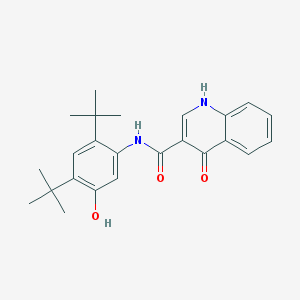
Ivacaftor

Ivacaftor

In our January 24, 2013 article on this blog, we discussed the cases of two genetic diseases, sickle cell disease (SCD) and cystic fibrosis (CF). In both cases, the genetic cause of the disease was identified decades ago. However, no disease-modifying drugs for SCD have yet been developed.

In the case of CF, small-molecule disease-modifying drugs have only recently entered the pipeline. In one case, such a drug–ivacaftor (Vertex’ Kalydeco), was approved both in the U.S. and in Europe in 2012.

In this article, we discuss the development of small-molecule drugs for CF.

Cystic fibrosis

As we discussed in our earlier article, CF causes a number of symptoms, which affect the skin, the lungs and sinuses, and the digestive, endocrine, and reproductive systems. Notably, people with CF accumulate thick, sticky mucus in the lungs, resulting in clogging of the airways due to mucus build-up. This leads to inflammation and bacterial infections. Ultimately, lung transplantation is often necessary as the disease worsens. With proper management, patients can live into their late 30s or 40s.

The affected gene in CF and the most common mutation that causes the disease (called ΔF508 or F508del) were identified by Francis S Collins, M.D., Ph.D. (then at the Howard Hughes Medical Institute and Departments of Internal Medicine and Human Genetics, University of Michigan, Ann Arbor, MI) and his colleagues in 1989. (Dr. Collins was subsequently the leader of the publicly-funded Human Genome Project and is now the Director of the National Institutes of Health, Bethesda, MD.)

The gene that is affected in cystic fibrosis encodes a protein known as the cystic fibrosis transmembrane conductance regulator (CFTR).  CFTR regulates the movement of chloride and sodium ions across epithelial membranes, including the epithelia of lung alveoli. CF is an autosomal recessive disease, which is most common in Caucasians; one in 2000–3000 newborns in the European Union is found to be affected by CF. ΔF508 is a deletion of three nucleotides that causes the loss of the amino acid phenylalanine at position 508 of the CFTR protein. The ΔF508 mutation accounts for approximately two-thirds of CF cases worldwide and 90% of cases in the United States. However, there are over 1500 other mutations that can cause CF.

CFTR is an ion channel–specifically a chloride channel.  Ion channels constitute an important class of drug targets, which are targeted by numerous currently marketed drugs, e.g., calcium channel blockers such as amlodipine (Pfizer’s Norvasc; generics) and diltiazem (Valeant’s Cardizem; generics). These compounds were mainly developed empirically by traditional pharmacology before knowing anything about the molecular nature of their targets.

However, discovery of novel ion channel modulators via modern molecular methods has proven to be challenging, mainly because of the difficulty in developing assays suitable for drug screening. In addition, development of suitable assays for assaying chloride channel function has lagged behind the development of assays for the function of cation channels (e.g., sodium and calcium channels).

Moreover the most common CFTR mutation that causes CF, ΔF508, results in defective cellular processing, and the mutant CTFR protein is retained in the endoplasmic reticulum. In the case of some other mutant forms of CTFR (accounting for a small percentage of CF patients), the mutant proteins reach the cell membrane, but are ineffective in chloride-channel function.

Vertex’ program for the development of small molecule CF drugs

Efforts aimed at the discovery of small-molecule drugs for CF began in 1998, when the nonprofit Cystic Fibrosis Foundation (CFF) established its Therapeutics Development Program. This included a drug discovery unit, through which CFF would support both academic and industrial research. An early recipient of CFF funding via this program was a small biotech company, Aurora Biosciences (San Diego, CA).  Aurora had developed technology for ultra-high-throughput screening in cellular assays, which they were applying to the discovery of small-molecule drugs for CF. In 2001, Vertex Pharmaceuticals (Cambridge, MA) acquired Aurora. Vertex then incorporated Aurora’s technology into its drug discovery programs, including its CF program. Vertex’ CF program received continuing support from CFF.

Vertex researchers screened thousands of drug-like and lead-like synthetic compounds in recombinant mouse cells expressing mutant human CFTR. Positive hits that met criteria for developability were further tested in a rat epithelial cell line that expressed the mutant CFTR. Compounds selected for further study were also tested for rescue of CFTR activity in cultured primary human lung airway epithelial cells from CF patients, which expressed the same mutant CFTRs studied in the recombinant cell assays. Performing the latter studies required isolating the epithelial cells from lung tissue of CF patients. The thick mucus found in CF lungs made this isolation very challenging. According to Vertex researcher and project head Fred Van Goor, researchers had to use tweezers to extract the mucus, in order to isolate the cells. It reportedly took all of 2003 to develop cellular assays (both in primary and recombinant cells) to conduct the drug discovery studies.

Vertex’ high-throughput screening studies resulted in the identifications of two types of lead compounds:

  • CFTR potentiators, which potentiate the chloride channel activity of mutant CFTR molecules at the cell surface;
  • CFTR correctors, which partially correct the folding and/or trafficking defect of such mutant CFTRs as ΔF508, thus facilitating exit from the endoplasmic reticulum and deposition of a portion of the mutant CFTR in the cell membrane.

Vertex’ ivacaftor, a CFTR potentiator

The Vertex screening studies discussed in the previous section, published in 2006, resulted in clinical candidates in both the potentiator and corrector classes. The company pursued development of one potentiator compound, ivacaftor (formerly known as VX-770) (Vertex’ Kalydeco). Ivacaftor is indicated only in patients with the G551D (Gly551Asp) mutation in CFTR, which only accounts for around 4% of CF patients.

Ivacaftor was discovered via high-throughput screening as described in the previous section, followed by lead optimization. The compound increased chloride channel function both in recombinant cells carrying mutant CFTR, and in cultured primary human lung airway epithelial cells from CF patients. Ivacaftor was found to be efficacious in opening both CFTR G551D and CFTR ΔF508 present in the cell membranes of recombinant cells. However, because of the retention of  CFTR ΔF508 in the endoplasmic reticulum in human lung airway epithelial cells, this compound is not efficacious in treating CF patients carrying this mutation. The lack of efficacy in patients homozygous for CFTR ΔF508 was confirmed in a subsequent clinical trial.

On February 23, 2011, that a Phase 3 trial of ivacaftor (then called VX-770) showed marked improvement in lung function in CF patients carrying the CFTR G551D mutation. Treated patients also had significant weight gain, showed reduced sweat chloride (a CF biomarker), and were less likely to have a pulmonary exacerbation. The results of this Phase 3 trial were published in the New England Journal of Medicine. Also in 2011, Vertex submitted a New Drug Application (NDA) for ivacaftor.  In January 2012, the FDA approved ivacaftor for treatment of CF patients carrying the CFTR G551D mutation. In July 2012, Vertex received European approval for this drug.

Vertex’ lumacaftor (VX-809) and VX-661, CFTR correctors

Vertex is currently developing the CFTR corrector lumacaftor (VX-809). The company has completed Phase 2 studies of a combination of ivacaftor and lumacaftor/VX-809 in CF patients who are homozygous for the CFTR ΔF508 mutation. It is now planning pivotal phase 3 trials of the combination therapy in this patient population. The rationale for the combination treatment is that VX-809 potentates the deposition of CFTR ΔF508 in the cell membrane, and invacaftor potentiates the function of cell-surface CFTR ΔF508.

Vertex is also conducting Phase 2 trials of another CTFR corrector, VX-661, alone and in combination with ivacaftor/VX-770 in CF patients homozygous for CFTR ΔF508.

The Cystic Fibrosis Foundation’s collaboration with Pfizer

The CFF has also been collaborating with Pfizer to discover drugs to treat patients carrying the the CFTR ΔF508 mutation. This collaboration began after the 2010 acquisition by Pfizer of FoldRX (Cambridge, MA). In November 2012, the CFF and Pfizer expanded their collaboration.

The Pfizer/CFF collaboration builds on FoldRx’s cystic fibrosis research program in collaboration with the CFF, which started in 2007. FoldRX (now a wholly-owned subsidiary of Pfizer) specializes in discovering and developing drugs to treat diseases of protein misfolding. The correction of protein misfolding clearly applies to CFTR ΔF508 protein.

Under the expanded six-year CFF/Pfizer collaboration, the CFF will invest up to $58 million to support and accelerate the discovery and development of disease-modifying therapies for CFTR ΔF508 CF. The goal of the collaboration is to advance one or more drug candidates into the clinic by the end of the six-year period. The CFF will provide scientific as well as financial support to help advance this discovery program.

Ataluren, for treatment of patients with CFTR nonsense mutations

Ataluren (formerly known as PTC124), is being developed by PTC Therapeutics for various genetic diseases caused by nonsense mutations in critical genes. The drug is currently being investigated for use in patients with nonsense mutation Duchenne/Becker muscular dystrophy (DBMD) and cystic fibrosis (CF). PTC Therapeutics’ efforts in CF are supported by a grant from the CFF.

Ribosomes normally translate messenger RNAs (mRNAs) into protein until arriving at a normal stop codon in the mRNA, at which point the ribosome stops translation, resulting in a functional protein. Nonsense mutations, however, create a premature stop signal in the mRNA coding sequence. This causes the ribosome to stop translation before a functioning protein is generated, creating a truncated, nonfunctional protein. This can result in disease.

Ataluren is designed to allow the ribosome to ignore the premature stop signal and continue translation of the mRNA, resulting in formation of a functioning protein. Ataluren does not cause the ribosome to read through the normal stop signal.

The results of clinical trials of ataluren in pediatric (Phase 2a) and adult (Phase 2) patients with nonsense-mutation CF showed that the drug resulted in production of functional CFTR protein and statistically significant improvements in CFTR chloride channel function. Ataluren treatment was also associated with significant reductions in cough frequency and trends toward improvement in pulmonary function tests.

Conclusions

As we discussed in our January 24, 2013 article on this blog, the 1989 identification of the genetic cause of CF did not immediately lead to the development of disease-modifying drugs. Bottlenecks in the pathway from genetic research to small-molecule drugs included understanding the different ways (e.g., deficiencies in chloride channel function, deficiencies in protein processing, blockages in protein translation due to nonsense mutations) in which the many mutations that can cause CF act, and the need to develop effective assays for use in drug discovery.

The 2012 approval of the CFTR potentiator ivacaftor (Vertex’ Kalydeco) in the U.S. and Europe represents a real milestone in CF drug development. Vertex and the CFF should be congratulated on their breakthrough CF R&D program, which required the willingness to pursue a long pathway to development.

Other compounds that target CFTR are in Phase 2 development. All indications suggest that treatment for CF will represent a case of “personalized medicine”, as befits a disease that is caused by multiple mutations that act at different levels of protein synthesis, processing, and function.

As is typical for personalized medicines that target rare diseases, Kalydeco is expensive. The drug reportedly costs upwards of $294,000 for a year’s supply. Vertex says that it will supply Kalydeco free to U.S. patients with no insurance and a household income of under $150,000.

With the interest of pharmaceutical and biotechnology companies in developing targeted therapies and therapies for rare diseases, the story of the development of small-molecule drugs for CF represents an important case study in drug discovery and development in the 2010s. , the emphasis on targeted drugs and rare diseases has also resulted in the the recent increase in FDA drug approvals; the agency approved 39 new drugs in 2012, which represents a 16-year high.
________________________________

As the producers of this blog, and as consultants to the biotechnology and pharmaceutical industry, Haberman Associates would like to hear from you. If you are in a biotech or pharmaceutical company, and would like a 15-20-minute, no-obligation telephone discussion of issues raised by this or other blog articles, or an initial one-to-one consultation on an issue that is key to your company’s success, please contact us by phone or e-mail. We also welcome your comments on this or any other article on this blog.