Maraviroc

Maraviroc

In April 2012, Informa’s Scrip Insights published our book-length report, “Advances in the Discovery of Protein-Protein Interaction Modulators.” We also published a brief introduction to this report, highlighting the strategic importance of protein-protein interaction (PPI) modulators for the pharmaceutical industry, on the Biopharmconsortium Blog.

The report included a discussion on discovery and development of inhibitors of chemokine receptors. Chemokine receptors are members of the G-protein coupled receptor (GPCR) superfamily. GPCRs are seven-transmembrane (7TM) domain receptors (i.e. integral membrane proteins that have seven membrane-spanning domains). Compounds that target GPCRs represent the largest class of drugs produced by the pharmaceutical industry. However, in the vast majority of cases, these compounds target GPCRs that bind to natural small-molecule ligands.

Chemokine receptors, however, bind to small proteins, the chemokines. These proteins constitute a class of small cytokines that guide the migration of immune cells via chemotaxis. Chemokine receptors are thus a class of GPCRs that function by forming PPIs. Direct targeting of interactions between chemokines and their receptors (unlike targeting the interactions between small-molecule GPCR ligands and their receptors) thus involves all the difficulties of targeting other types of PPIs.

However, GPCRs–including chemokine receptors–appear to be especially susceptible to targeting via allosteric modulators. Allosteric sites lie outside the binding site for the protein’s natural ligand. However, modulators that bind to allosteric sites change the conformation of the protein in such a way that it affects the activity of the ligand binding site. (Direct GPCR modulators that bind to the same site as the GPCR’s natural ligands are known as orthosteric modulators.) In the case of chemokine receptors, researchers can in some cases discover small-molecule allosteric modulators that activate or inhibit binding of the receptor to its natural ligands. Discovery of such allosteric activators is much easier than discovery of direct PPI modulators.

Chemokines bind to sites that are located in the extracellular domains of their receptors. Allosteric sites on chemokine receptors, however, are typically located in transmembrane domains that are distinct from the chemokine binding sites. Small-molecule allosteric modulators that bind to these sites were discovered via fairly standard medicinal chemistry and high-throughput screening, sometimes augmented with structure-based drug design. This is in contrast to attempts to discover small molecule agents that directly inhibit binding of a chemokine to its receptor, which has so far been extremely challenging.

Our report describes several allosteric chemokine receptor modulators that are in clinical development, as well as the two agents that have reached the market. One of the marketed agents, plerixafor (AMD3100) (Genzyme’s Mozobil), is an inhibitor of the chemokine receptor CXCR4. It is used in combination with granulocyte colony-stimulating factor (G-CSF) to mobilize hematopoietic stem cells to the peripheral blood for autologous transplantation in patients with non-Hodgkin lymphoma and multiple myeloma. The other agent, which is the focus of this blog post, is maraviroc (Pfizer’s Selzentry/Celsentri).

Maraviroc is a human immunodeficiency virus-1 (HIV-1) entry inhibitor. This compound is an antagonist of the CCR5 chemokine receptor. CCR5 is specific for the chemokines RANTES (Regulated on Activation, Normal T Expressed and Secreted) and macrophage inflammatory protein (MIP) 1α and 1β.  In addition to being bound and activated by these chemokines, CCR5 is a coreceptor (together with CD4) for entry of the most common strain of HIV-1 into T cells. Thus maraviroc acts as an HIV entry inhibitor; this is the drug’s approved indication in the U.S. and in Europe. Maraviroc was discovered via a combination of high-throughput screening and optimization via standard medicinal chemistry.

New structural biology studies of the CCR5-maraviroc complex

Now comes a report in the 20 September 2013 issue of Science on the structure of the CCR5-maraviroc complex. This report was authored by a mainly Chinese group led by Beili Wu, Ph.D. (Shanghai Institute of Materia Medica, Chinese Academy of Sciences, Shanghai); researchers at the University of California at San Diego and the Scripps Research Institute, San Diego were also included in this collaboration. A companion Perspective in the same issue of Science was authored by P. J. Klasse, M.D., Ph.D. (Weill Cornell Medical College, Cornell University, New York, NY).

As described in the Perspective, the outer surface of the HIV-1 virus displays numerous envelope protein (Env) trimers, each including the outer gp120 subunit anchored in the viral membrane by gp41. When gp120 binds to the cell-surface receptor CD4, this enables interaction with a specific chemokine receptor, either CCR5 or CXCR4. Interaction with both CD4 and the chemokine receptor triggers complex sets of changes in the Env complex, eventually resulting in the fusion of the viral membrane and the cell membrane, and the entry of the virus particle into the host cell.

HIV-1 gp120 makes contact with CCR5 at several points. The interactions between CCR5 and the variable region of gp120 called V3 are especially important for the tropism of an HIV-1 strain, i.e., whether the virus is specific for CCR5 (the “R5 phenotype”) or CXCR4 (the “X4 phenotype”). In the case of R5-tropic viruses, the tip of the V3 region interacts with the second extracellular loop (ECL2) of CCR5, while the base of V3 interacts with the amino-terminal segment of CCR5. Modeling of the interactions between the V3 domain of gp120 of either R5 or X4-tropic viruses with CCR5 or CXCR4 explains coreceptor use, in terms of forming strong bonds or–conversely–weak bonds and steric hindrance.

Monogram Biosciences (South San Francisco, CA) has developed and markets the Trofile assay. This is a molecular assay designed to identify the R5, X4, or mixed tropism of a patient’s HIV strain. If a patient’s strain is R5-tropic, then treatment with maraviroc is appropriate. However, a patient’s HIV-1 strain may undergo a tropism switch, or may mutate in other ways to become resistant to maraviroc.

Dr Wu and her colleagues determined the high-resolution crystal structure of the complex between maraviroc and a solubilized engineered form of CCR5. This included determining the CCR5 binding pocket for maraviroc, which was determined both by Wu et al’s X-ray crystallography, and by site-directed mutagenesis (i.e., to determine amino acid residues that are critical for maraviroc binding) that had been published earlier by other researchers.

The structural studies of Dr. Wu and her colleagues show that the maraviroc-binding site is different from the recognition sites for gp120 and for chemokines, as expected for an allosteric inhibitor. The X-ray structure shows that maraviroc binding prevents the helix movements that are necessary for binding of g120 to induce the complex sequence of changes that result in fusion between the viral and cellular membranes. (These helix movements are also necessary for induction of signal transduction by binding of chemokines to CCR5.)

Structural studies of CXCR4 and its inhibitor binding sites

In addition to their structural studies of the CCR5-maraviroc complex, Dr. Wu and her colleagues also published structural studies of CXCR4 complexed with small-molecule and cyclic peptide inhibitors in Science in 2010. These inhibitors are IT1t, a drug-like orally-available isothiourea developed by Novartis, and CVX15, a 16-residue cyclic peptide that had been previously characterized as an HIV-inhibiting agent. IT1t and CVX15 bind to overlapping sites in CXCR4. Other researchers have found evidence that the binding site for plerixafor also overlaps with the IT1t binding site.

As discussed in Wu et al’s 2013 paper, CCR5 and CXCR4 have similar, but non-identical structures. The binding site for IT1t in CXCR4 is closer to the extracellular surface than is the maraviroc binding site in CCR5, which is deep within the CCR5 molecule. The entrance to the CXCR4 ligand-binding pocket is partially covered by CXC4’s N terminus and ECL2, but the CCR5 ligand-binding pocket is more open.

Mechanisms of CXCR4 and CCR5 inhibition, and implications for discovery of improved HIV entry inhibitors

The chemokine that specifically interacts with the CXCR4 receptor is known as CXCL12 or stromal cell-derived factor 1 (SDF-1). Researchers have proposed a hypothesis for how CXCL12 interacts with CXCR4; this hypothesis appears to be applicable to the interaction between other chemokines and their receptors as well. This hypothesis is know as the “two-step model” or the “two-site model” of chemokine-receptor activation. Under the two-site model, the core domain of a chemokine binds to a site on its receptor (known as the “chemokine recognition site 1” or “site 1”) defined by the receptor’s N-terminus and its ECLs. In the second step, the flexible N-terminus of the chemokine interacts with a second site (known as “chemokine recognition site 2” or “site 2” or the “activation domain”) deeper within the receptor, in transmembrane domains. This result in activation of the chemokine receptor and intracellular signaling.

Under the two-site model, CXCR4 inhibitors (e.g., IT1t, CVX15, and  plerixafor), which bind to sites within the ECLs of CXCR4, are competitive inhibitors of binding of the core domain of CXCL12 to CXCR4 (i.e.., step 1 of chemokine/receptor interaction). They are thus orthosteric inhibitors of CXCR4. (This is contrary to the earlier assignment of plerixafor as an allosteric inhibitor of CXCR4.)  The CCR5 ligand maraviroc, however, binds within a site within the transmembrane domains of CCR5, which overlaps with the activation domain of CCR5. Dr. Wu and her colleagues propose two alternative hypotheses: 1. Maraviroc may inhibit CCR5 activation by chemokines by blocking the second step of chemokine/chemokine receptor interaction, i.e., receptor activation. 2. Maraviroc may stabilize CCR5 in an inactive conformation. It is also possible that maraviroc inhibition of CCR5 may work via both mechanisms.

Dr. Wu and her colleagues further hypothesize that the interaction of  HIV-1 gp120 with CCR5 (or CXCR4) may operate via similar mechanisms to the interaction of chemokines with their receptors. As we discussed earlier in this article, the base (or the stem region) of the gp120 V3 domain interacts with the amino-terminal segment of CCR5. The tip (or crown) of the V3 domain interacts with the ECL2 of CCR5, and–according to Dr. Wu and her colleagues–also with amino acid residues inside the ligand binding pocket; i.e., the activation site of CCR5. The HIV gp120 V3 domain may thus activate CCR5 via a similar mechanism to the two-step  model utilized by chemokines.

Based on their structural biology studies, Dr. Wu and her colleagues have been building models of the CCR5-R5-V3 and CXC4-X4-V3 complexes, and are also planning to determine additional structures needed to fully understand the mechanisms of HIV-1 tropism. The researchers will utilize their studies in the discovery of improved, second-generation HIV entry inhibitors for both R5-tropic and X4-tropic strains of HIV-1.

The bigger picture

The 17 October 2013 issue of Nature contains a Supplement entitled “Chemistry Masterclass”. In that Supplement is an Outlook review entitled “Structure-led design”, by Nature Publishing Group Senior Editor Monica Hoyos Flight, Ph.D. The subject of this article is structure-based drug design of modulators of GPCRs.
This review outlines progress in determining GPCR structures, and in using this information for discovery of orthosteric and allosteric modulators of GPCRs.

According to the article, the number of solved GPCR structures has been increasing since 2008, largely due to the efforts of the Scripps GPCR Network, which was established in that year. Dr. Wu started her research on CXCR4 and CCR5 as a postdoctoral researcher in the laboratory of Raymond C. Stevens, Ph.D. at Scripps in 2007, and continues to be a member of the network. The network is a collaboration that involves over a dozen academic and industrial labs. Its goal has been to characterize at least 15 GPCRs by 2015; it has already solved 13.

Interestingly, among the solved GPCR structures are those for the corticotropin-releasing hormone receptor and the glucagon receptor. Both have peptide ligands, and thus work by forming PPIs.

One company mentioned in the article, Heptares Therapeutics (Welwyn Garden City, UK), specializes in discovering new medicines that targeting previously undruggable or challenging GPCRs. In addition to discovering small-molecule drugs, Heptares, working with monoclonal antibody (MAb) leaders such as MorphoSys and MedImmune, is working to discover MAbs that act as modulators of GPCRs. Among Heptares’ targets are several GPCRs with peptide ligands.

Meanwhile, Kyowa Hakko Kirin Co., Ltd. has developed the MAb drug mogamulizumab (trade name Poteligeo), which is approved in Japan for treatment of relapsed or refractory adult T-cell leukemia/lymphoma. Mogamulizumab targets CC chemokine receptor 4 (CCR4).

Thus, aided in part by structural biology, the discovery of novel drugs that target GPCRs–including those with protein or peptide targets such as chemokine receptors–continues to make progress.


As the producers of this blog, and as consultants to the biotechnology and pharmaceutical industry, Haberman Associates would like to hear from you. If you are in a biotech or pharmaceutical company, and would like a 15-20-minute, no-obligation telephone discussion of issues raised by this or other blog articles, or of other issues that are important to  your company,  please contact us by phone or e-mail. We also welcome your comments on this or any other article on this blog.

skeletal muscle

Skeletal muscle.

On August 20, 2013, Novartis announced in a press release that the FDA had granted breakthrough therapy designation to its experimental agent BYM338 (bimagrumab) for treatment of the rare muscle wasting disease sporadic inclusion body myositis (sIBM).

sIBM is a rare–but increasingly prevalent–disease. It is the most common cause of inflammatory myopathy in people over 50. sIBM has a yearly incidence of 2 to 5 per million adults with a peak at ages 50 to 70, with male predominance. Muscle wasting caused by sIBM is superimposed upon the sarcopenia (degenerative loss of muscle mass) that typically occurs with aging.

sIBM is characterized by a slowly progressive asymmetric atrophy and weakness of muscles. Typically, patients become wheelchair bound within 10 to 15 years of onset. Death may occur due to falls, respiratory infection, or malnutrition.

The causes of sIBM are not well-understood. In sIBM, an autoimmune process and a degenerative process appear to occur in muscle cells in parallel. In the autoimmune process, T cells that appear to be driven by specific antigens invade muscle fibers. In the degenerative process, holes appear in muscle cell vacuoles, and inclusion bodies containing abnormal proteins are deposited in muscle cells.

Despite the lack of understanding of the causes of sIBM, in recent years researchers have developed potential therapeutic approaches to this disease. These therapeutic strategies are based on the hypothesis that enhancing muscle regeneration can be beneficial in treating muscle-wasting diseases regardless of their cause. Researchers have thus been working on several approaches, principally 1. developing drugs that stimulate myofiber regeneration, and 2. cell-mediated therapies to replace damaged myofibers (e.g., autologous stem cell therapy). It is the first approach that led to the discovery of Novartis’ bimagrumab.

The myostatin pathway

Myostatin is a regulator of muscle growth in mammals and other vertebrates. It is a secreted protein that is a member of the transforming growth factor beta (TGF-β) family. It is secreted in an inactive form, and must be activated via cleavage by a metalloproteinase. The activated myostatin then binds to its receptor, activin receptor type IIB (ActRIIB). The binding of myostatin to ActRIIB on myoblasts initiates an intracellular signaling cascade, which (as with other members of the TGF-β family), includes activation of transcription factors of the SMAD family. The SMADs (SMAD2 and SMAD3) in the myostatin pathway go on to induce myostatin-specific gene regulation, which inhibits the proliferation of myoblasts and their differentiation into mature muscle fibers.

Bimagrumab, the myostatin pathway, and muscle-wasting diseases

Bimagrumab is a novel, fully human monoclonal antibody (MAb), which was developed by the Novartis Institutes for Biomedical Research (NIBR), in collaboration with the human MAb specialist company MorphoSys (Martinsried, Germany). MorphoSys’ HuCAL (Human Combinatorial Antibody Library) technology was used to identify bimagrumab.

Bimagrumab binds with high affinity to the ActRIIB receptor, thus blocking myostatin binding. The researchers working on development of bimagrumab hypothesized that treatment with the drug would have the same physiological result as myostatin deficiency. For example, myostatin knockout mice have a two-fold to three-fold increase in muscle mass, without other abnormalities. Humans with a loss-of-function mutation in myostatin exhibit marked increase in muscle mass, as well as increased strength. These findings suggest that a myostatin receptor antagonist such as bimagrumab would be a potent stimulator of muscle growth.

According to Novartis’ press release, this hypothesis has been borne out in human studies. The FDA granted breakthrough status for bimagrumab based on the results of a Phase 2 proof-of-concept (POC) study that showed that the drug substantially benefited patients with sIBM compared to placebo. The results of this study will be presented at the American Neurological Association meeting on October 14, 2013. Novartis also expects to published the results of the study in a major medical journal later in 2013.

In addition to sIBM, Novartis is developing bimagrumab for the common muscle-wasting disease of aging sarcopenia, as well as for cachexia in cancer and in chronic obstructive pulmonary disease (COPD) patients, and for muscle wasting in mechanically ventilated patients. In particular, the company is sponsoring a Phase 2 POC study (Clinical Trial Number NCT01601600) of bimagrumab in older adults with sarcopenia and mobility limitations. The study is designed to determine the effects of the drug on skeletal muscle volume, mass, and strength and patient function (gait speed). It will also generate data on the safety, tolerability, and pharmacokinetics of bimagrumab in older adults, as well as (via an extended study duration) the stability of drug-induced changes in skeletal muscle and patient function.

As we discussed in the Conclusions section of our August 15, 2013 blog article on aging, aging-related sarcopenia is a major causes of disability and death. We also said in that section that sarcopenia is not normally a target for drug development. At that time, we did not know about Novartis’ development of bimagrumab. We are happy to be proven wrong about drug development for sarcopenia.

Another approach to myostatin pathway-based drug development

A fully-human anti-myostatin MAb, Regeneron/Sanofi’s REGN1033 (SAR391786), is in Phase 1 clinical development for treatment of sarcopenia. Unlike bimagrumab, which binds to the myostatin receptor ActRIIB, REGN1033 binds directly to myostatin. REGN1033 thus represents an alternative approach to treatment of sarcopenia and other muscle-wasting conditions via the myostatin pathway.

Attempts to address the causes of muscle degeneration in sIBM directly

Despite the evidence from early clinical trials that therapies that enhance muscle regeneration may be effective in treating sIBM, some researchers believe that it will be necessary to identify the causes of muscle degeneration in sIBM and to address them. For example, there is evidence that in some patients, autoantibodies may recognize antigens that are enriched in regenerating muscle fibers. Some researchers therefore hypothesize that treating such patients with therapies that enhance muscle regeneration without addressing the autoimmune pathology may be counterproductive. Therefore, continuing research on the causes of muscle degeneration in sIBM and on potential therapies to slow this degeneration may still be important, despite the apparent progress of clinical trials of such drugs as bimagrumab.

For example, some researchers hypothesize that sIBM is a primary degenerative disease, like Alzheimer’s and Parkinson’s disease. As with these neurodegenerative diseases, some researchers have found evidence that misfolded proteins may be involved in the pathogenesis of sIBM. This avenue of research has led to the hypothesis that agents that enhance correct protein folding may slow muscle degeneration in sIBM patients. One such agent, CytRx’ arimoclomol has been in clinical trials in sIBM patients. [Arimoclomol is also in clinical trials in patients with amyotrophic lateral sclerosis (ALS)].  Arimoclomol appears to act as a coinducer of chaperone proteins such as heat shock protein 70 (Hsp70). Chaperone proteins promote the correct folding of intercellular proteins.

In a small POC Phase 2a clinical trial in Europe, arimoclomol showed early signs of efficacy, in addition to being well tolerated. There was a trend toward slower degeneration in physical function, muscle strength, and right-hand grip muscle strength in arimoclomol-treated patients as compared to placebo over an 8-month period.

Other researchers are attempting to address the inflammatory aspects of sIBM. For example, there are early clinical trials in progress of  the-anti-lymphocyte agent alemtuzumab (Genzyme’s Campath/Lemtrada) and the anti-tumor necrosis factor agent etanercept (Amgen/Pfizer’s Enbrel).

Meanwhile, additional basic research on the causation of sIBM continues. Some of these approaches may eventually lead to additional drug discovery strategies for this disease.

However, whether or not muscle-enhancing therapies such as bimagrumab might provide adequate treatment for at least some classes of sIBM patients (without addressing the autoimmune and/or degenerative aspects of the causation of the disease) will depend on the results of late-stage clinical trials now in the planning stage.

Conclusions

The development of bimagrumab represents an example of Novartis’ pathway-based rare disease strategy. We discussed this strategy in our July 20, 2009 Biopharmconsortium Blog article. Novartis researchers note that in many cases rare diseases are caused by disruptions of pathways that are also involved in other rare diseases and/or in more common diseases. The researchers therefore develop drugs that target these pathways, and obtain POC for these drugs by first testing them in small populations of patients with a specific rare disease. Drugs that have achieved POC in this rare disease may later be tested in other indications (especially including more common diseases) that involve the same pathway.

As we discussed in our July 20, 2009 article, the first drug that Novartis developed by using this strategy is the interleukin-1β inhibitory MAb drug Ilaris (canakinumab). The company conducted its first clinical trials in patients with cryopyrin-associated periodic syndromes, (CAPS), a group of rare inherited auto-inflammatory conditions that are characterized by overproduction of IL-1β. In 2009, the FDA and the European Medicines Agency approved Ilaris for treatment of CAPS. Since that time, Novartis has been conducing clinical trials of canakinumab in such conditions as systemic juvenile idiopathic arthritis (SJIA), gout, acute gouty arthritis, type 2 diabetes, and several others. Canakinumab had also been tested in rheumatoid arthritis, but these trials have been discontinued.

In the case of bimagrumab, Novartis researchers are targeting the myostatin pathway. The strategy is to first target the rare disease sIBM, and to obtain POC in human studies in that disease. Novartis claims (and the FDA concurs with them) that they have obtained POC in sIBM, and the company plans to present the results of its POC clinical trial later this year, both in a scientific meeting and in a publication. Novartis then plans to complete development of bimagrumab for sIBM, while also developing the drug for other muscle-wasting conditions, especially the more common aging-related condition sarcopenia, which is becoming a major public health problem.


As the producers of this blog, and as consultants to the biotechnology and pharmaceutical industry, Haberman Associates would like to hear from you. If you are in a biotech or pharmaceutical company, and would like a 15-20-minute, no-obligation telephone discussion of issues raised by this or other blog articles, or an initial one-to-one consultation on an issue that is key to your company’s success, please contact us by phone or e-mail. We also welcome your comments on this or any other article on this blog.
PD-L1

PD-L1

On June 28, 2012 we published an article on this blog entitled “Cancer Immunotherapy: The Star Of The 2012 ASCO Annual Meeting”. Now comes the American Society of Clinical Oncology (ASCO) 2013 Annual Meeting, which took place from May 30 to June 3, 2013.

As in 2012, cancer immunotherapy was the star of the meeting.

In our June 2012 article, we focused on experimental monoclonal antibody (MAb) drugs that target the cell surface receptors programmed cell death-1 (PD-1) and programmed cell death-1 ligand (PD-L1). PD-1 is a member of the CD28/CTLA4 family of T cell regulators. Like CTLA4, the target of ipilimumab, PD-1 is a negative regulator of T-cell receptor signals. When PD-L1, which is a protein on the surface of some tumor cells, binds to PD-1 on T cells that recognize antigens on these tumor cells, this results in the blockage of the ability of the T cells to carry out an anti-tumor immune response. Anti-PD-1 MAb binds to PD-1 on T cells, thus preventing PD-L1 on tumor cells from binding to the PD-1 and initiating an inhibitory signal. Anti-tumor T cells are then free to initiate immune responses against the tumor cells. This mechanism of action is completely analogous to that of ipilimumab, which binds to CTLA4 and thus prevents negative signaling from that molecule.

Anti-PD-L1 therapeutics bind to PD-L1 on tumor cells. Ira Mellman (vice-president of research oncology at Genentech), believes that anti-PD-L1 might have fewer adverse effects than anti-PD-1. That is because anti-PD-L1 would target tumor cells while leaving T cells free to participate in immune networks that work to prevent autoimmune reactions.

Three experimental drugs in this area of immunotherapy were a main focus at ASCO in 2013. They are:

  • BMS’ anti-PD-1 agent nivolumab (BMS-936558, MDX-1106), which we had discussed in our 2012 ASCO article.
  • Merck’s anti-PD-1 agent lambrolizumab (MK-3475)
  • Roche/Genentech’s anti-PD-L1 agent MPDL3280A

We shall focus on these three agents in this article.

Competition between BMS’ nivolumab and Merck’s lambrolizumab

As highlighted in the 2013 ASCO meeting and in reports by industry commentators such as FierceBiotech, there is a keen race between BMS and Merck to be the first to market an anti-PD-1 agent.

At the ASCO 2013 meeting, BMS researchers and their colleagues reported that a third of the patients in a Phase 1 trial of nivolumab saw tumors shrink at least 30%. They also reported that patients with solid tumors [metastatic melanoma, non-small cell lung cancer (NSCLC) and renal cell carcinoma (RCC)] showed high rates of 2 year overall survival–44% for melanoma, 32% for NSCLC, and 52% for RCC (clinical trial NCT00730639).

In a first Phase 1 study of a combination therapy of nivolumab with ipilimumab in metastatic melanoma, BMS researchers and their colleagues reported that the two agents could be administered in combination safely. Clinical activity for the combination therapy appeared to exceed that of published monotherapy data for each of the two agents, with greater or equal to 80% tumor reduction at 12 weeks in 30% (11/37) of patients. In addition to the ASCO 2013 presentation, the results of this combination therapy trial were published online in the New England Journal of Medicine.

According to Fierce Biotech, BMS has 6 late-stage studies under way for nivolumab, with fast-track status in place for melanoma, lung cancer and kidney cancer.

Meanwhile, Merck announced in a June 2, 2013 press release the presentation at ASCO 2013 of interim data from a Phase 1B study evaluating its anti-PD-1 agent lambrolizumab in patients with advanced melanoma. The data was presented by Antoni Ribas, M.D., Ph.D. (Jonsson Comprehensive Cancer Center, University of California, Los Angeles). in addition to the ASCO 2013 presentation, this study was published online in the New England Journal of Medicine.

A total of 135 patients with advanced melanoma were treated. Most of the adverse events seen in the study were low grade. The confirmed response rate across all dose cohorts was 38%. The highest confirmed response rate (52%) was seen in the cohort that received the highest dose (10 mg per kilogram every 2 weeks). Ten percent of the patients in the highest-dose group achieved a complete response, with response duration ranging from 28 days to 8 months.

Response rates did not differ significantly between patients who had received prior ipilimumab treatment and those who had not. Responses were durable in the majority of patients; 81% of the patients who had a response (42 out of of 52 total) were still receiving treatment at the time of analysis in March 2013. The overall median progression-free survival among the 135 patients was over 7 months.

According to Fierce Biotech, Merck now has four clinical studies under way for lambrolizumab, including a  Phase 2 trial in melanoma and Phase 1 trials in ipilimumab-naïve patients with triple-negative breast cancer, metastatic bladder cancer and head and neck cancer. The company, which has won breakthrough drug designation from the FDA for lambrolizumab, believes that the ongoing 500-patient Phase 2 melanoma study could provide enough positive data to win FDA approval. Merck is also preparing applications for late-stage clinical trials in melanoma and non-small cell lung cancer, which are planned to launch in the third quarter of 2013.

Roche/Genentech’s anti-PD-L1 agent MPDL3280A

Genentech researchers and their collaborators presented data on a clinical study of MPDL3280A in patients with metastatic melanoma at ASCO 2013. In addition to the ASCO 2013 presentation and abstract, The Angeles Clinic and Research Institute (Los Angeles, CA) published a press release about the study. Omid Hamid, M.D. of The Angeles Clinic and Research Institute made the oral presentation at the ASCO meeting.

This study was a Phase 1, multicenter, first in human, open-label, dose escalation study (clinical trial NCT01375842), which is still ongoing. It was primarily designed to assess  safety, tolerability, and pharmacokinetics of MPDL3280A in patients with metastatic melanoma. The drug was found to be well tolerated. 35 patients who began treatment at doses of 1-20 mg/kg and were enrolled prior to Jul 1, 2012 were evaluable for efficacy. An overall response rate of 26% (9/35) was observed, with all responses ongoing or improving. Some responding patients experienced tumor shrinkage within days of initial treatment. The 24-week progression-free survival was 35%. Several other patients had delayed antitumor activity after apparent tumor progression. Of three initial patients treated with a combination of MPDL3280A and vemurafenib (Daiichi Sankyo/Genentech’s Zeboraf, a targeted kinase inhibitor), two experienced tumor shrinkage, including 1 complete response. The researchers concluded that further assessment of MPDL3280A as monotherapy and combination therapy is warranted. A Phase 1 study (NCT01656642) of a combination therapy of MPDL3280A and vemurafenib in patients with previously untreated BRAFV600-mutation positive metastatic melanoma is ongoing.

Data was also presented at ASCO 2013 on the efficacy of MPDL3280A in other solid tumors. According to Roy S. Herbst, M.D. Ph.D., (Yale Cancer Center and Smilow Cancer Hospital at Yale-New Haven) MPDL3280A showed significant anti-tumor activity and was well tolerated in patients with such cancers as NSCLC, melanoma, colorectal cancer, gastric cancer, and RCC. 29 of 140 evaluable patients (21%) exhibited tumor shrinkage, with the highest overall responses in patients with NSCLC and melanoma. Of the 29 responders, 26 patients continued responding as of their last assessment.

Researchers have also been studying PD-L1 expression levels as a potential biomarker to identify likely responders. As outlined by Dr. Herbst, responses appeared to be better among patients with higher levels of PD-L1 expression. The response rate among PD-L1-positive patients was 36% (13 of 36 patients), compared with 13% (9 of 67 patients) who were PD-L1-negative. The role that PD-L1 expression might play as a biomarker is still being explored, including attempting to determine the best way to measure the protein and other related criteria.

In addition to the Phase 1 trial of MPDL3280A/vemurafenib combination therapy in melanoma, Genentech is sponsoring a Phase 1 trial of MPDL3280A in combination with bevacizumab (Genentech/Roche’s Avastin, an angiogenesis inhibitor that targets vascular endothelial growth factor) or with bevacizumab plus chemotherapy (clinical trial NCT01633970). Genentech is also sponsoring a Phase 2 clinical trial (NCT01846416) of MPDL3280A in patients With PD-L1-positive advanced NSCLC.

Conclusions

The field of immunotherapeutic MAbs for cancer, which target negative regulators of T-cell receptor signals, continues to advance. The approval and marketing of ipilimumab provides an important proof-of-principle for this approach. Now the field is advancing to include agents that target PD-1 and its negative regulator PD-L1. Studies of BMS’ PD-1 inhibitor nivolumab have advanced as far as Phase 3, and of Merck’s lambrolizumab as far as Phase 2. Meanwhile, Roche/Genentech’s PD-L1 inhibitor MPDL3280A has reached Phase 2.

However, the in terms of clinical trial data, it is still too early to meaningfully determine the efficacy of any of the PD-1 and PD-L1 inhibitor drugs. The meaningful data will come from randomized Phase 3 trials, based on overall survival rather than tumor response rate as in currently reported trials (with the exception of the Phase 1 results of clinical trial NCT00730639 of nivolumab described earlier, which included measures of overall survival).

Nevertheless, this is an extremely exciting field, and researchers, companies, and patient communities have high expectations of success.

__________________________________________

As the producers of this blog, and as consultants to the biotechnology and pharmaceutical industry, Haberman Associates would like to hear from you. If you are in a biotech or pharmaceutical company, and would like a 15-20-minute, no-obligation telephone discussion of issues raised by this or other blog articles, or of other issues that are important to  your company,  please contact us by phone or e-mail. We also welcome your comments on this or any other article on this blog.
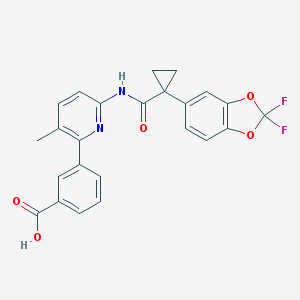
Lumacaftor (Vertex’ VX-809)

Lumacaftor (Vertex’ VX-809)

I was quoted in an article in the March 11, 2013 issue of Elsevier Business Intelligence’s The Pink Sheet by senior writer Joseph Haas. The article is entitled . A subscription is required to view the full text of this article.

The article focused on the newly-approved disease modifying drug ivacaftor (Vertex’ Kalydeco), as well as programs in drug discovery and development of disease-modifying drugs for cystic fibrosis (CF) at Vertex, PTC Therapeutics, Proteostasis Therapeutics, Pfizer, and Genzyme. It also discussed pipeline products aimed at treating or preventing life-threatening infections in CF patients at such companies as KaloBios, Insmed, and Savara.

Mr. Haas interviewed me for this article. Most of the content of our interview is available in our February 15, 2013 article on the Biopharmconsortium Blog. One company whose R&D program we did not cover in that article is Proteostasis. Proteostasis’ CF program, which is being carried out in collaboration with the Scripps Research Institute, is aimed at discovery and development of compounds that promote CFTR ΔF508 folding and trafficking. This program is in the research and lead optimization stage. We discussed R&D programs at other companies (Vertex, Pfizer) that are also aimed at correction of improper CFTR ΔF508 folding and trafficking in our February 15, 2013 article.

KaloBios’ KB001-A, a bacterial virulence factor-targeting agent

Among the agents aimed at ameliorating life-threatening infections in CF patients that were discussed in the Pink Sheet article is KB001-A, a monoclonal antibody (MAb) agent being developed by KaloBios (South San Francisco, CA). KB001-A is now in Phase 2 development for prevention of Pseudomonas aerguinosa infections in the lungs of CF patients. KB001-A targets an extracellular component of the bacterium’s type III secretion system. This system enables the bacteria to kill immune cells by injection of protein toxins into these cells.

The type III secretion system is an example of a virulence factor. Virulence factors are not expressed by a strain of pathogenic bacteria in vitro, but are expressed only when the bacteria infect a host. Once expressed, they enable the bacteria to colonize the host and cause disease.

In our June 11, 2012 article on this blog, we discussed an antibacterial drug discovery strategy aimed at targeting two related physiological systems that are important in the ability of pathogenic bacteria to cause disease, but are not essential for bacterial proliferation or survival. These systems are virulence factors and quorum sensing. At least by hypothesis, agents that disrupt these systems will prevent pathogenic bacteria from causing disease without selecting for resistant strains of the bacteria. This will give such agents an advantage over conventional antibiotics, which notoriously generate resistant strains when used to treat infections. According to the Pink Sheet article, KaloBios believes that P. aerguinosa bacteria will not develop resistance to KB001-A, which is in accord with this hypothesis.

Another issue with anti-infectives used to treat CF that is discussed in the Pink Sheet article is the definition of a “disease-modifying” agent for CF. We define disease-modifying agents as drugs that ameliorate or cure a disease by targeting the root cause of that disease. However, KaloBios considers KB001-A to be a disease-modifying agent. That is because the company believes that most CF patients die of the effects of P. aerguinosa infection, which causes deterioration of the patients’s lungs. Thus an effective anti-P. aerguinosa agent may produce dramatic increases in patients’ lifespans.

Perhaps the real issue is that one should not classify CF drugs as “disease-modifying” agent and agents that merely treat “symptoms” (as is done in the Pink Sheet article) but should define infections of CF patients as “complications” of the disease. Thus anti-infectives such as KB001-A may effectively treat a major life-threatening complication of CF, without modifying the underlying disease. Such an agent would result in increased lifespans (and improved quality of life) for CF patients, without affecting their underlying disease. As KaloBios asserts, anti-infective agents like KB001-A would be complementary to such disease-modifying agents as ivacaftor.

________________________________

As the producers of this blog, and as consultants to the biotechnology and pharmaceutical industry, Haberman Associates would like to hear from you. If you are in a biotech or pharmaceutical company, and would like a 15-20-minute, no-obligation telephone discussion of issues raised by this or other blog articles, or an initial one-to-one consultation on an issue that is key to your company’s success, please contact us by phone or e-mail. We also welcome your comments on this or any other article on this blog.


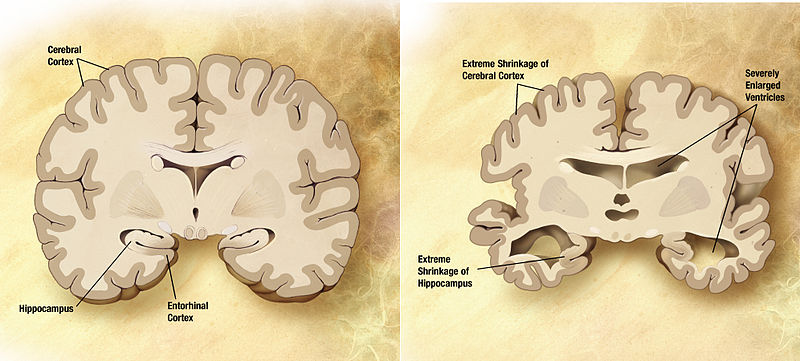
Normal and Alzheimer's brains compared.

Normal and Alzheimer’s brains compared.

Once again, approaches to improving clinical trials for candidate disease-modifying drugs for Alzheimer’s disease (AD) are in the news. On February 7, 2013, the FDA issued a Draft Guidance for Industry entitled “Alzheimer’s Disease: Developing Drugs for the Treatment of Early Stage Disease”.

This document has been distributed for comment purposes only, and the FDA is seeking public comment on the draft guidance for 60 days.

The wording of the Draft Guidance illustrates the extreme difficulty of defining populations with pre-AD or very early-stage AD, and of demonstrating the efficacy of a drug in ameliorating early-stage disease, and/or in preventing its progression to later-stage disease. The document states that the FDA is “open to considering the argument that a positive biomarker result (generally included as a secondary outcome measure in a trial) in combination with a positive finding on a primary clinical outcome measure may support a claim of disease modification in AD.”

However,  there is currently no evidence-based consensus as to which biomarkers might be appropriate to support clinical findings in trials in early AD. Moreover, in “pre-AD” or very early-stage AD (i.e., before the onset of overt dementia) mild disease-related impairments are extremely challenging to assess accurately. Thus both measuring clinical outcomes and assessment via biomarkers in very early-stage AD are fraught with difficulty, making determination of drug efficacy extremely difficult. The FDA thus appears to be seeking guidance from industry and from the academic community on how these knotty problems might be solved.

The move toward conducting clinical trials in early-stage AD patients

By issuing the Draft Guidance, the FDA adds its voice to that of an ever-increasing segment of the scientific community that calls for a new focus on conducting clinical trials in early-stage AD. We discussed this trend in our August 19, 2012 and August 28, 2012 articles on the Biopharmconsortium Blog.

As we discussed, this trend is driven in part by the Phase 3 failures of Pfizer/Janssen’s bapineuzumab and Lilly’s solanezumab in 2012. Now–in February 2013–Russell Katz, M.D. (director of the Division of Neurology Products in the FDA’s Center for Drug Evaluation and Research) says, “The scientific community and the FDA believe that it is critical to identify and study patients with very early Alzheimer’s disease before there is too much irreversible injury to the brain. It is in this population that most researchers believe that new drugs have the best chance of providing meaningful benefit to patients.”  In line with this statement, the FDA refused to entertain Lilly’s  secondary analysis of early stage patients in the solanezumab study that we discussed in our August 28, 2012 blog article. Instead, the FDA mandated that Lilly conduct a new Phase 3 trial that will exclude the moderate-stage patients who hadn’t responded, and focus only on early-stage patients.

Recent news on clinical trials in early-stage AD

Despite the difficulties highlighted in the Draft Guidance in conducting clinical trials in early-stage AD patients, three research groups are actually conducting such trials. We outlined these studies in our August 28, 2012 blog article, and discussed one of these studies, the one begin carried out by Genentech, in greater detail in our August 19 2012 article.

The three studies are:

  • Roche/Genentech’s Phase 2a trial of its its anti-amyloid MAb crenezumab, in presymptomatic members of a large Colombian kindred who harbor a mutation in presenilin 1 (PS1) that causes dominant early−onset familial AD.
  • Studies conducted in conjunction with the Dominantly Inherited Alzheimer Network (DIAN), a consortium led by researchers at Washington University School of Medicine (St. Louis, MO). This study will include people with mutations in any of the three genes linked to early-stage, dominantly-inherited AD–PS1, PS2, and amyloid precursor protein (APP). Initial studies focused on changes in biomarkers and in cognitive ability as a function of expected age of AD onset in people with these mutations. These included changes in concentrations of amyloid-β1–42 (Aβ42) in cerebrospinal fluid (CSF), and amyloid accumulation in the brain. In the first stage of the actual trial, three drugs (which have not yet been selected) will be tested in this population, and changes in biomarkers and cognitive performance will be followed.
  • The Anti-Amyloid Treatment of Asymptomatic Alzheimer’s (A4) trial, will involve treating adults without mutations in any of the above three genes, whose brain scans show signs of amyloid accumulation. A4 is thus designed to study prevention of sporadic AD (by far the most common form of the disease). It will enroll 500 people age 70 or older who test positive on a scan of amyloid accumulation in the brain. (This is in contrast to the two trials in subjects with gene mutations, who are typically in their 30s or 40s.) A4 will also have a control arm of 500 amyloid-negative subjects. Amyloid-positive and control subjects will be entered into a three-year double-blind clinical trial that will look at changes in cognition with drug treatment. The A4 researchers [led by Reisa Sperling, Brigham and Women’s Hospital/Harvard University (Boston, MA), and Paul Aisen, University of California, San Diego] planned to select a drug for testing by December 2012.

Now there is more recent news on two of these trials.

1. On December 13, 2012, the Los Angeles Times reported that Genentech and its collaborators [affiliated with the University of Antioquia medical school (Medellin, Colombia), the University of California at Los Angeles (UCLA), and the Banner Alzheimer’s Institute (Phoenix, AZ)] will begin their $100 million clinical trial of crenezumab with 100 Colombians who carry the PS1 mutation in the spring of 2013. Genentech is contributing $65 million of the study’s $100-million cost. The NIH and the Banner Alzheimer’s Institute (Phoenix, AZ) are financing the remainder.

This story was also reported on December 14, 2012 by Fierce Biotech.

The design of the trial calls for 100 additional patients in Colombia with the same Alzheimer’s-related gene to receive a placebo, and an equal number of other at-risk patients without the gene to take crenezumab.  A branch of the trial will include U.S. patients as well. A “branch study” will also be conducted at UCLA, where researchers have discovered a similar genetic disposition among members of an extended family from Jalisco, Mexico. Some 30 individuals from this family who have immigrated to Southern California could participate. Around 150 other U.S. patients with similar mutations will also participate in the trial.

The trial is designed to provide evidence that targeting amyloid with crenezumab at an early stage or even before patients show signs of dementia can have a positive effect on the course of disease.

2. On January 18, 2013, Fierce Biotech reported that the researchers conducting the A4 study have chosen Lilly’s solanezumab as as the first therapeutic drug candidate to be evaluated in the trial. The A4 trial’s principal investigator, Reisa Sperling said that the researchers chose solanezumab (after considering a number of anti-amyloid drugs) because the compound has a good safety profile, and appeared to show a modest clinical benefit in the mild AD patients in Lilly’s Phase 3 trial. The A4 researchers’ confidence in solanezumab grew when this was confirmed via an independent academic analysis by the Alzheimer’s Disease Cooperative Study (ADCS), a consortium of academic Alzheimer’s disease clinical trial centers. The ADCS, which was established by NIH, will help facilitate the A4 trial.

The A4 researchers hope that starting treatment with solanezumab before symptoms are present, as well as treating for a longer period of time, will slow cognitive decline and ultimately prevent AD dementia.

After the failure of solanezumab in Lilly’s own Phase 3 studies, and the FDA’s rebuff of the company’s secondary analysis of early stage patients, the A4 study’s choice of solanezumab gives the drug a new lease on life. Meanwhile, Lilly will be continuing its own clinical trial program for solanezumab.

Conclusions

The three clinical trials discussed in this article should allow the scientific and medical community to answer the question as to whether treating patients with pre-AD or very early-stage AD with anti-amyloid MAb drugs can have a positive effect on the course of the disease, and slow or prevent cognitive decline. The studies may also help the scientific and medical community, and the FDA, with issues of evaluation of biomarkers and clinical outcome measures in determining disease prognosis and the efficacy of drug treatments. Given the large size and rapid growth of the at-risk population, finding safe and efficacious disease-modifying preventives and treatments for AD is of increasing urgency.

________________________________

As the producers of this blog, and as consultants to the biotechnology and pharmaceutical industry, Haberman Associates would like to hear from you. If you are in a biotech or pharmaceutical company, and would like a 15-20-minute, no-obligation telephone discussion of issues raised by this or other blog articles, or an initial one-to-one consultation on an issue that is key to your company’s success, please contact us by phone or e-mail. We also welcome your comments on this or any other article on this blog.