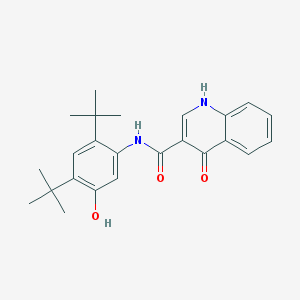
Lumacaftor (Vertex’ VX-809)

Lumacaftor (Vertex’ VX-809)

I was quoted in an article in the March 11, 2013 issue of Elsevier Business Intelligence’s The Pink Sheet by senior writer Joseph Haas. The article is entitled . A subscription is required to view the full text of this article.

The article focused on the newly-approved disease modifying drug ivacaftor (Vertex’ Kalydeco), as well as programs in drug discovery and development of disease-modifying drugs for cystic fibrosis (CF) at Vertex, PTC Therapeutics, Proteostasis Therapeutics, Pfizer, and Genzyme. It also discussed pipeline products aimed at treating or preventing life-threatening infections in CF patients at such companies as KaloBios, Insmed, and Savara.

Mr. Haas interviewed me for this article. Most of the content of our interview is available in our February 15, 2013 article on the Biopharmconsortium Blog. One company whose R&D program we did not cover in that article is Proteostasis. Proteostasis’ CF program, which is being carried out in collaboration with the Scripps Research Institute, is aimed at discovery and development of compounds that promote CFTR ΔF508 folding and trafficking. This program is in the research and lead optimization stage. We discussed R&D programs at other companies (Vertex, Pfizer) that are also aimed at correction of improper CFTR ΔF508 folding and trafficking in our February 15, 2013 article.

KaloBios’ KB001-A, a bacterial virulence factor-targeting agent

Among the agents aimed at ameliorating life-threatening infections in CF patients that were discussed in the Pink Sheet article is KB001-A, a monoclonal antibody (MAb) agent being developed by KaloBios (South San Francisco, CA). KB001-A is now in Phase 2 development for prevention of Pseudomonas aerguinosa infections in the lungs of CF patients. KB001-A targets an extracellular component of the bacterium’s type III secretion system. This system enables the bacteria to kill immune cells by injection of protein toxins into these cells.

The type III secretion system is an example of a virulence factor. Virulence factors are not expressed by a strain of pathogenic bacteria in vitro, but are expressed only when the bacteria infect a host. Once expressed, they enable the bacteria to colonize the host and cause disease.

In our June 11, 2012 article on this blog, we discussed an antibacterial drug discovery strategy aimed at targeting two related physiological systems that are important in the ability of pathogenic bacteria to cause disease, but are not essential for bacterial proliferation or survival. These systems are virulence factors and quorum sensing. At least by hypothesis, agents that disrupt these systems will prevent pathogenic bacteria from causing disease without selecting for resistant strains of the bacteria. This will give such agents an advantage over conventional antibiotics, which notoriously generate resistant strains when used to treat infections. According to the Pink Sheet article, KaloBios believes that P. aerguinosa bacteria will not develop resistance to KB001-A, which is in accord with this hypothesis.

Another issue with anti-infectives used to treat CF that is discussed in the Pink Sheet article is the definition of a “disease-modifying” agent for CF. We define disease-modifying agents as drugs that ameliorate or cure a disease by targeting the root cause of that disease. However, KaloBios considers KB001-A to be a disease-modifying agent. That is because the company believes that most CF patients die of the effects of P. aerguinosa infection, which causes deterioration of the patients’s lungs. Thus an effective anti-P. aerguinosa agent may produce dramatic increases in patients’ lifespans.

Perhaps the real issue is that one should not classify CF drugs as “disease-modifying” agent and agents that merely treat “symptoms” (as is done in the Pink Sheet article) but should define infections of CF patients as “complications” of the disease. Thus anti-infectives such as KB001-A may effectively treat a major life-threatening complication of CF, without modifying the underlying disease. Such an agent would result in increased lifespans (and improved quality of life) for CF patients, without affecting their underlying disease. As KaloBios asserts, anti-infective agents like KB001-A would be complementary to such disease-modifying agents as ivacaftor.

________________________________

As the producers of this blog, and as consultants to the biotechnology and pharmaceutical industry, Haberman Associates would like to hear from you. If you are in a biotech or pharmaceutical company, and would like a 15-20-minute, no-obligation telephone discussion of issues raised by this or other blog articles, or an initial one-to-one consultation on an issue that is key to your company’s success, please contact us by phone or e-mail. We also welcome your comments on this or any other article on this blog.

 

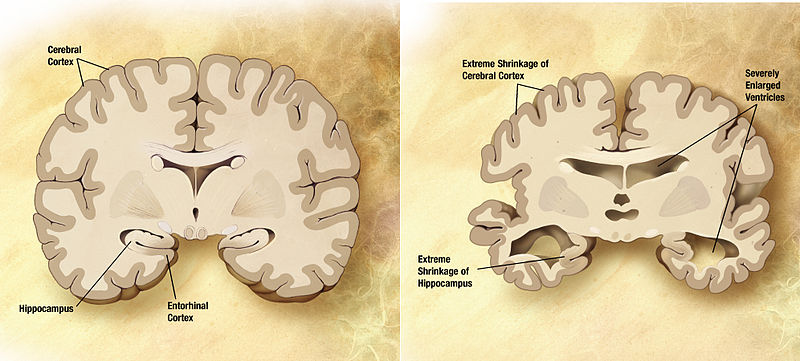
Normal and Alzheimer's brains compared.

Normal and Alzheimer’s brains compared.

Once again, approaches to improving clinical trials for candidate disease-modifying drugs for Alzheimer’s disease (AD) are in the news. On February 7, 2013, the FDA issued a Draft Guidance for Industry entitled “Alzheimer’s Disease: Developing Drugs for the Treatment of Early Stage Disease”.

This document has been distributed for comment purposes only, and the FDA is seeking public comment on the draft guidance for 60 days.

The wording of the Draft Guidance illustrates the extreme difficulty of defining populations with pre-AD or very early-stage AD, and of demonstrating the efficacy of a drug in ameliorating early-stage disease, and/or in preventing its progression to later-stage disease. The document states that the FDA is “open to considering the argument that a positive biomarker result (generally included as a secondary outcome measure in a trial) in combination with a positive finding on a primary clinical outcome measure may support a claim of disease modification in AD.”

However,  there is currently no evidence-based consensus as to which biomarkers might be appropriate to support clinical findings in trials in early AD. Moreover, in “pre-AD” or very early-stage AD (i.e., before the onset of overt dementia) mild disease-related impairments are extremely challenging to assess accurately. Thus both measuring clinical outcomes and assessment via biomarkers in very early-stage AD are fraught with difficulty, making determination of drug efficacy extremely difficult. The FDA thus appears to be seeking guidance from industry and from the academic community on how these knotty problems might be solved.

The move toward conducting clinical trials in early-stage AD patients

By issuing the Draft Guidance, the FDA adds its voice to that of an ever-increasing segment of the scientific community that calls for a new focus on conducting clinical trials in early-stage AD. We discussed this trend in our August 19, 2012 and August 28, 2012 articles on the Biopharmconsortium Blog.

As we discussed, this trend is driven in part by the Phase 3 failures of Pfizer/Janssen’s bapineuzumab and Lilly’s solanezumab in 2012. Now–in February 2013–Russell Katz, M.D. (director of the Division of Neurology Products in the FDA’s Center for Drug Evaluation and Research) says, “The scientific community and the FDA believe that it is critical to identify and study patients with very early Alzheimer’s disease before there is too much irreversible injury to the brain. It is in this population that most researchers believe that new drugs have the best chance of providing meaningful benefit to patients.”  In line with this statement, the FDA refused to entertain Lilly’s  secondary analysis of early stage patients in the solanezumab study that we discussed in our August 28, 2012 blog article. Instead, the FDA mandated that Lilly conduct a new Phase 3 trial that will exclude the moderate-stage patients who hadn’t responded, and focus only on early-stage patients.

Recent news on clinical trials in early-stage AD

Despite the difficulties highlighted in the Draft Guidance in conducting clinical trials in early-stage AD patients, three research groups are actually conducting such trials. We outlined these studies in our August 28, 2012 blog article, and discussed one of these studies, the one begin carried out by Genentech, in greater detail in our August 19 2012 article.

The three studies are:

  • Roche/Genentech’s Phase 2a trial of its its anti-amyloid MAb crenezumab, in presymptomatic members of a large Colombian kindred who harbor a mutation in presenilin 1 (PS1) that causes dominant early−onset familial AD.
  • Studies conducted in conjunction with the Dominantly Inherited Alzheimer Network (DIAN), a consortium led by researchers at Washington University School of Medicine (St. Louis, MO). This study will include people with mutations in any of the three genes linked to early-stage, dominantly-inherited AD–PS1, PS2, and amyloid precursor protein (APP). Initial studies focused on changes in biomarkers and in cognitive ability as a function of expected age of AD onset in people with these mutations. These included changes in concentrations of amyloid-β1–42 (Aβ42) in cerebrospinal fluid (CSF), and amyloid accumulation in the brain. In the first stage of the actual trial, three drugs (which have not yet been selected) will be tested in this population, and changes in biomarkers and cognitive performance will be followed.
  • The Anti-Amyloid Treatment of Asymptomatic Alzheimer’s (A4) trial, will involve treating adults without mutations in any of the above three genes, whose brain scans show signs of amyloid accumulation. A4 is thus designed to study prevention of sporadic AD (by far the most common form of the disease). It will enroll 500 people age 70 or older who test positive on a scan of amyloid accumulation in the brain. (This is in contrast to the two trials in subjects with gene mutations, who are typically in their 30s or 40s.) A4 will also have a control arm of 500 amyloid-negative subjects. Amyloid-positive and control subjects will be entered into a three-year double-blind clinical trial that will look at changes in cognition with drug treatment. The A4 researchers [led by Reisa Sperling, Brigham and Women’s Hospital/Harvard University (Boston, MA), and Paul Aisen, University of California, San Diego] planned to select a drug for testing by December 2012.

Now there is more recent news on two of these trials.

1. On December 13, 2012, the Los Angeles Times reported that Genentech and its collaborators [affiliated with the University of Antioquia medical school (Medellin, Colombia), the University of California at Los Angeles (UCLA), and the Banner Alzheimer’s Institute (Phoenix, AZ)] will begin their $100 million clinical trial of crenezumab with 100 Colombians who carry the PS1 mutation in the spring of 2013. Genentech is contributing $65 million of the study’s $100-million cost. The NIH and the Banner Alzheimer’s Institute (Phoenix, AZ) are financing the remainder.

This story was also reported on December 14, 2012 by Fierce Biotech.

The design of the trial calls for 100 additional patients in Colombia with the same Alzheimer’s-related gene to receive a placebo, and an equal number of other at-risk patients without the gene to take crenezumab.  A branch of the trial will include U.S. patients as well. A “branch study” will also be conducted at UCLA, where researchers have discovered a similar genetic disposition among members of an extended family from Jalisco, Mexico. Some 30 individuals from this family who have immigrated to Southern California could participate. Around 150 other U.S. patients with similar mutations will also participate in the trial.

The trial is designed to provide evidence that targeting amyloid with crenezumab at an early stage or even before patients show signs of dementia can have a positive effect on the course of disease.

2. On January 18, 2013, Fierce Biotech reported that the researchers conducting the A4 study have chosen Lilly’s solanezumab as as the first therapeutic drug candidate to be evaluated in the trial. The A4 trial’s principal investigator, Reisa Sperling said that the researchers chose solanezumab (after considering a number of anti-amyloid drugs) because the compound has a good safety profile, and appeared to show a modest clinical benefit in the mild AD patients in Lilly’s Phase 3 trial. The A4 researchers’ confidence in solanezumab grew when this was confirmed via an independent academic analysis by the Alzheimer’s Disease Cooperative Study (ADCS), a consortium of academic Alzheimer’s disease clinical trial centers. The ADCS, which was established by NIH, will help facilitate the A4 trial.

The A4 researchers hope that starting treatment with solanezumab before symptoms are present, as well as treating for a longer period of time, will slow cognitive decline and ultimately prevent AD dementia.

After the failure of solanezumab in Lilly’s own Phase 3 studies, and the FDA’s rebuff of the company’s secondary analysis of early stage patients, the A4 study’s choice of solanezumab gives the drug a new lease on life. Meanwhile, Lilly will be continuing its own clinical trial program for solanezumab.

Conclusions

The three clinical trials discussed in this article should allow the scientific and medical community to answer the question as to whether treating patients with pre-AD or very early-stage AD with anti-amyloid MAb drugs can have a positive effect on the course of the disease, and slow or prevent cognitive decline. The studies may also help the scientific and medical community, and the FDA, with issues of evaluation of biomarkers and clinical outcome measures in determining disease prognosis and the efficacy of drug treatments. Given the large size and rapid growth of the at-risk population, finding safe and efficacious disease-modifying preventives and treatments for AD is of increasing urgency.

________________________________

As the producers of this blog, and as consultants to the biotechnology and pharmaceutical industry, Haberman Associates would like to hear from you. If you are in a biotech or pharmaceutical company, and would like a 15-20-minute, no-obligation telephone discussion of issues raised by this or other blog articles, or an initial one-to-one consultation on an issue that is key to your company’s success, please contact us by phone or e-mail. We also welcome your comments on this or any other article on this blog.
 

Ivacaftor

Ivacaftor

In our January 24, 2013 article on this blog, we discussed the cases of two genetic diseases, sickle cell disease (SCD) and cystic fibrosis (CF). In both cases, the genetic cause of the disease was identified decades ago. However, no disease-modifying drugs for SCD have yet been developed.

In the case of CF, small-molecule disease-modifying drugs have only recently entered the pipeline. In one case, such a drug–ivacaftor (Vertex’ Kalydeco), was approved both in the U.S. and in Europe in 2012.

In this article, we discuss the development of small-molecule drugs for CF.

Cystic fibrosis

As we discussed in our earlier article, CF causes a number of symptoms, which affect the skin, the lungs and sinuses, and the digestive, endocrine, and reproductive systems. Notably, people with CF accumulate thick, sticky mucus in the lungs, resulting in clogging of the airways due to mucus build-up. This leads to inflammation and bacterial infections. Ultimately, lung transplantation is often necessary as the disease worsens. With proper management, patients can live into their late 30s or 40s.

The affected gene in CF and the most common mutation that causes the disease (called ΔF508 or F508del) were identified by Francis S Collins, M.D., Ph.D. (then at the Howard Hughes Medical Institute and Departments of Internal Medicine and Human Genetics, University of Michigan, Ann Arbor, MI) and his colleagues in 1989. (Dr. Collins was subsequently the leader of the publicly-funded Human Genome Project and is now the Director of the National Institutes of Health, Bethesda, MD.)

The gene that is affected in cystic fibrosis encodes a protein known as the cystic fibrosis transmembrane conductance regulator (CFTR).  CFTR regulates the movement of chloride and sodium ions across epithelial membranes, including the epithelia of lung alveoli. CF is an autosomal recessive disease, which is most common in Caucasians; one in 2000–3000 newborns in the European Union is found to be affected by CF. ΔF508 is a deletion of three nucleotides that causes the loss of the amino acid phenylalanine at position 508 of the CFTR protein. The ΔF508 mutation accounts for approximately two-thirds of CF cases worldwide and 90% of cases in the United States. However, there are over 1500 other mutations that can cause CF.

CFTR is an ion channel–specifically a chloride channel.  Ion channels constitute an important class of drug targets, which are targeted by numerous currently marketed drugs, e.g., calcium channel blockers such as amlodipine (Pfizer’s Norvasc; generics) and diltiazem (Valeant’s Cardizem; generics). These compounds were mainly developed empirically by traditional pharmacology before knowing anything about the molecular nature of their targets.

However, discovery of novel ion channel modulators via modern molecular methods has proven to be challenging, mainly because of the difficulty in developing assays suitable for drug screening. In addition, development of suitable assays for assaying chloride channel function has lagged behind the development of assays for the function of cation channels (e.g., sodium and calcium channels).

Moreover the most common CFTR mutation that causes CF, ΔF508, results in defective cellular processing, and the mutant CTFR protein is retained in the endoplasmic reticulum. In the case of some other mutant forms of CTFR (accounting for a small percentage of CF patients), the mutant proteins reach the cell membrane, but are ineffective in chloride-channel function.

Vertex’ program for the development of small molecule CF drugs

Efforts aimed at the discovery of small-molecule drugs for CF began in 1998, when the nonprofit Cystic Fibrosis Foundation (CFF) established its Therapeutics Development Program. This included a drug discovery unit, through which CFF would support both academic and industrial research. An early recipient of CFF funding via this program was a small biotech company, Aurora Biosciences (San Diego, CA).  Aurora had developed technology for ultra-high-throughput screening in cellular assays, which they were applying to the discovery of small-molecule drugs for CF. In 2001, Vertex Pharmaceuticals (Cambridge, MA) acquired Aurora. Vertex then incorporated Aurora’s technology into its drug discovery programs, including its CF program. Vertex’ CF program received continuing support from CFF.

Vertex researchers screened thousands of drug-like and lead-like synthetic compounds in recombinant mouse cells expressing mutant human CFTR. Positive hits that met criteria for developability were further tested in a rat epithelial cell line that expressed the mutant CFTR. Compounds selected for further study were also tested for rescue of CFTR activity in cultured primary human lung airway epithelial cells from CF patients, which expressed the same mutant CFTRs studied in the recombinant cell assays. Performing the latter studies required isolating the epithelial cells from lung tissue of CF patients. The thick mucus found in CF lungs made this isolation very challenging. According to Vertex researcher and project head Fred Van Goor, researchers had to use tweezers to extract the mucus, in order to isolate the cells. It reportedly took all of 2003 to develop cellular assays (both in primary and recombinant cells) to conduct the drug discovery studies.

Vertex’ high-throughput screening studies resulted in the identifications of two types of lead compounds:

  • CFTR potentiators, which potentiate the chloride channel activity of mutant CFTR molecules at the cell surface;
  • CFTR correctors, which partially correct the folding and/or trafficking defect of such mutant CFTRs as ΔF508, thus facilitating exit from the endoplasmic reticulum and deposition of a portion of the mutant CFTR in the cell membrane.

Vertex’ ivacaftor, a CFTR potentiator

The Vertex screening studies discussed in the previous section, published in 2006, resulted in clinical candidates in both the potentiator and corrector classes. The company pursued development of one potentiator compound, ivacaftor (formerly known as VX-770) (Vertex’ Kalydeco). Ivacaftor is indicated only in patients with the G551D (Gly551Asp) mutation in CFTR, which only accounts for around 4% of CF patients.

Ivacaftor was discovered via high-throughput screening as described in the previous section, followed by lead optimization. The compound increased chloride channel function both in recombinant cells carrying mutant CFTR, and in cultured primary human lung airway epithelial cells from CF patients. Ivacaftor was found to be efficacious in opening both CFTR G551D and CFTR ΔF508 present in the cell membranes of recombinant cells. However, because of the retention of  CFTR ΔF508 in the endoplasmic reticulum in human lung airway epithelial cells, this compound is not efficacious in treating CF patients carrying this mutation. The lack of efficacy in patients homozygous for CFTR ΔF508 was confirmed in a subsequent clinical trial.

On February 23, 2011, that a Phase 3 trial of ivacaftor (then called VX-770) showed marked improvement in lung function in CF patients carrying the CFTR G551D mutation. Treated patients also had significant weight gain, showed reduced sweat chloride (a CF biomarker), and were less likely to have a pulmonary exacerbation. The results of this Phase 3 trial were published in the New England Journal of Medicine. Also in 2011, Vertex submitted a New Drug Application (NDA) for ivacaftor.  In January 2012, the FDA approved ivacaftor for treatment of CF patients carrying the CFTR G551D mutation. In July 2012, Vertex received European approval for this drug.

Vertex’ lumacaftor (VX-809) and VX-661, CFTR correctors

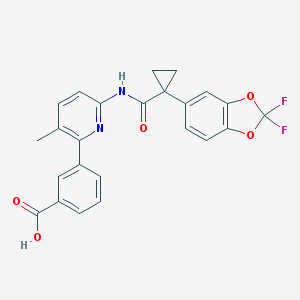
Vertex is currently developing the CFTR corrector lumacaftor (VX-809). The company has completed Phase 2 studies of a combination of ivacaftor and lumacaftor/VX-809 in CF patients who are homozygous for the CFTR ΔF508 mutation. It is now planning pivotal phase 3 trials of the combination therapy in this patient population. The rationale for the combination treatment is that VX-809 potentates the deposition of CFTR ΔF508 in the cell membrane, and invacaftor potentiates the function of cell-surface CFTR ΔF508.

Vertex is also conducting Phase 2 trials of another CTFR corrector, VX-661, alone and in combination with ivacaftor/VX-770 in CF patients homozygous for CFTR ΔF508.

The Cystic Fibrosis Foundation’s collaboration with Pfizer

The CFF has also been collaborating with Pfizer to discover drugs to treat patients carrying the the CFTR ΔF508 mutation. This collaboration began after the 2010 acquisition by Pfizer of FoldRX (Cambridge, MA). In November 2012, the CFF and Pfizer expanded their collaboration.

The Pfizer/CFF collaboration builds on FoldRx’s cystic fibrosis research program in collaboration with the CFF, which started in 2007. FoldRX (now a wholly-owned subsidiary of Pfizer) specializes in discovering and developing drugs to treat diseases of protein misfolding. The correction of protein misfolding clearly applies to CFTR ΔF508 protein.

Under the expanded six-year CFF/Pfizer collaboration, the CFF will invest up to $58 million to support and accelerate the discovery and development of disease-modifying therapies for CFTR ΔF508 CF. The goal of the collaboration is to advance one or more drug candidates into the clinic by the end of the six-year period. The CFF will provide scientific as well as financial support to help advance this discovery program.

Ataluren, for treatment of patients with CFTR nonsense mutations

Ataluren (formerly known as PTC124), is being developed by PTC Therapeutics for various genetic diseases caused by nonsense mutations in critical genes. The drug is currently being investigated for use in patients with nonsense mutation Duchenne/Becker muscular dystrophy (DBMD) and cystic fibrosis (CF). PTC Therapeutics’ efforts in CF are supported by a grant from the CFF.

Ribosomes normally translate messenger RNAs (mRNAs) into protein until arriving at a normal stop codon in the mRNA, at which point the ribosome stops translation, resulting in a functional protein. Nonsense mutations, however, create a premature stop signal in the mRNA coding sequence. This causes the ribosome to stop translation before a functioning protein is generated, creating a truncated, nonfunctional protein. This can result in disease.

Ataluren is designed to allow the ribosome to ignore the premature stop signal and continue translation of the mRNA, resulting in formation of a functioning protein. Ataluren does not cause the ribosome to read through the normal stop signal.

The results of clinical trials of ataluren in pediatric (Phase 2a) and adult (Phase 2) patients with nonsense-mutation CF showed that the drug resulted in production of functional CFTR protein and statistically significant improvements in CFTR chloride channel function. Ataluren treatment was also associated with significant reductions in cough frequency and trends toward improvement in pulmonary function tests.

Conclusions

As we discussed in our January 24, 2013 article on this blog, the 1989 identification of the genetic cause of CF did not immediately lead to the development of disease-modifying drugs. Bottlenecks in the pathway from genetic research to small-molecule drugs included understanding the different ways (e.g., deficiencies in chloride channel function, deficiencies in protein processing, blockages in protein translation due to nonsense mutations) in which the many mutations that can cause CF act, and the need to develop effective assays for use in drug discovery.

The 2012 approval of the CFTR potentiator ivacaftor (Vertex’ Kalydeco) in the U.S. and Europe represents a real milestone in CF drug development. Vertex and the CFF should be congratulated on their breakthrough CF R&D program, which required the willingness to pursue a long pathway to development.

Other compounds that target CFTR are in Phase 2 development. All indications suggest that treatment for CF will represent a case of “personalized medicine”, as befits a disease that is caused by multiple mutations that act at different levels of protein synthesis, processing, and function.

As is typical for personalized medicines that target rare diseases, Kalydeco is expensive. The drug reportedly costs upwards of $294,000 for a year’s supply. Vertex says that it will supply Kalydeco free to U.S. patients with no insurance and a household income of under $150,000.

With the interest of pharmaceutical and biotechnology companies in developing targeted therapies and therapies for rare diseases, the story of the development of small-molecule drugs for CF represents an important case study in drug discovery and development in the 2010s. , the emphasis on targeted drugs and rare diseases has also resulted in the the recent increase in FDA drug approvals; the agency approved 39 new drugs in 2012, which represents a 16-year high.
________________________________

As the producers of this blog, and as consultants to the biotechnology and pharmaceutical industry, Haberman Associates would like to hear from you. If you are in a biotech or pharmaceutical company, and would like a 15-20-minute, no-obligation telephone discussion of issues raised by this or other blog articles, or an initial one-to-one consultation on an issue that is key to your company’s success, please contact us by phone or e-mail. We also welcome your comments on this or any other article on this blog.


Atherosclerosis. Source: Nephron http://bit.ly/jL6Zos

Atherosclerosis. Source: Nephron http://bit.ly/jL6Zos

In our November 20, 2012 Biopharmconsortium Blog article, entitled “Novel hypercholesterolemia drugs move toward FDA decisions”, we discussed two drugs–Aegerion Pharmaceuticals’ lomitapide, and Isis/Sanofi/Genzyme’s mipomersen. These drugs were nearing approval decisions by the FDA, following the recommendations of the FDA’s Endocrinologic and Metabolic Drugs Advisory Committee that both drugs be approved for treatment of homozygous familial hypercholesterolemia (HoFH).

In our December 31, 2012 blog article, we reported that the FDA had approved Aegerion’s small-molecule drug lomitapide (Juxtapid). That left us waiting for “the other shoe to drop”–the decision on the approval of mipomersen.

On January 29, 2013, Genzyme (a Sanofi company) and Isis Pharmaceuticals (Carlsbad, CA) reported that the FDA had approved mipomersen (Kynamro) for the treatment of HoFH. Mipomersen, given as a 200 mg weekly subcutaneous injection, has been approved as an adjunct to lipid-lowering medications and diet for the treatment of dyslipidemia in patients with HoFH. In contrast to mipomersen, Aegerion’s lomitapide is an oral drug.

The approval of mipomersen triggered a $25 million milestone payment to Isis from Genzyme.

MIpomersen is an antisense oligonucleotide that targets the messenger RNA for apolipoprotein B. This agent represents the first oligonucleotide drug capable of systemic delivery to be approved in a regulated market. (The two previously marketed oligonucleotide drugs both treat ophthalmologic diseases and are delivered locally.) Mipomersen targets the liver, without the need for a delivery vehicle. Thus mipomersen represents the “great hope” for proof-of-concept for oligonucleotide drugs, including antisense and  RNAi-based drugs.

In the January 29, 2013 press release, Stanley T. Crooke, M.D., Ph.D., Chairman of the Board and CEO of Isis, said:

“Kynamro is the first systemic antisense drug to reach the market and is the culmination of two decades of work to create a new, more efficient drug technology platform. As evidenced by our robust pipeline, our antisense drug discovery technology is applicable to many different diseases.” This indicates that Isis considers the approval of mipomersen as a proof-of-concept for its approach to antisense oligonucleotide drug discovery and development, and in particular for its pipeline.

Clinical trials of mipomersen

The FDA approval of mipomersen is based on the results of a randomized, double-blind, placebo-controlled, multi-center trial that enrolled 51 HoFH patients age 12 to 53 years, including 7 patients age 12 to 16 years, who were on lipid lowering medications. The trial found that mipomersen treatment further reduced LDL-cholesterol levels by an average of 113 mg/dL, or 25%, from a treated baseline of 439 mg/dL, and further reduced all measured endpoints for atherogenic particles. In March 2010, these data were published in The Lancet.

Safely data for mipomersen are based on pooled results from four Phase 3 trials. Eighteen percent of patients on the drug and 2% of patients on placebo discontinued treatment due to adverse effects. The most common adverse effects of mipomersen treatment were injection site reactions, increases in the liver enzymes alanine aminotransferase (ALT) and aspartate aminotransferase (AST) , flu-like symptoms, and an abnormal liver function test.

As a result of these safety findings, the label for Kynamro contains a Boxed Warning citing the risk of hepatic toxicity. The label for Aegerion’s Juxtapid (lomitapide) also contains such a Boxed Warning. A Boxed Warning is the strongest warning that the FDA requires.

The FDA is also requiring four postmarketing studies of mipomersen, and wants the developers to carefully track the long-term safety of the drug.

As an antisense drug, mipomersen is metabolized without affecting the CYP450 pathways used in commonly prescribed drugs. It thus is potentially free of drug-drug interactions. No clinically relevant pharmacokinetic interactions were reported between mipomersen and warfarin, or between mipomersen and simvastatin or ezetimibe.

The safety and effectiveness of mipomersen have not been established in patients with hypercholesterolemia who do not have HoFH. Nor has the effect of mipomersen on cardiovascular morbidity and mortality been determined.

Because of the risk of hepatotoxicity, mipomersen is available only through a Risk Evaluation and Mitigation Strategy (REMS) called the Kynamro REMS. The goals of the REMS are:

  • To educate prescribers about the risk of hepatotoxicity associated with the use of mipomersen, and the need to monitor patients during treatment with mipomersen as per product labeling.
  • To restrict access to therapy with mipomersen to patients with a clinical or laboratory diagnosis consistent with homozygous familial hypercholesterolemia (HoFH).

Genzyme has also developed an HoFH and Kynamro support program for healthcare providers, patients, and their families.

Wider implications of the FDA approval of mipomersen

Mipomersen achieved FDA approval despite an unenthusiastic 9-6 recommendation for approval by the FDA’s Endocrinologic and Metabolic Drugs Advisory Committee. This compares to a 13-2 vote to recommend approval of lomitapide. Meanwhile, mipomersen received a negative opinion from a European Medicines Agency panel. And it faces strong competition in the market from lomitapide. Therefore, mipomersen is unlikely to become a large-selling drug.

Nevertheless, Sanofi has been positioning itself around Genzyme (and its rare disease platform) in its drug discovery and development strategy. Therefore, any and all Genzyme/Sanofi drug approvals represent important victories.

Although the FDA Advisory Committee and industry commentators favor lomitapide over mipomersen, they also believe that not all patients with HoFH would be likely to benefit from only one drug. Thus having two alternative drugs may well be better in treating this disease.

Does the approval of mipomersen herald a new age of oligonucleotide drugs? The first antisense agent to reach the market, fomivirsen (Isis/ Novartis Ophthalmics’ Vitravene), which is indicated for treatment of cytomegalovirus retinitis in AIDS patients was approved in 1998. However, it is delivered locally to the eye, and has not been profitable.

Even though mipomersen is unlikely to become a large-selling drug, it could become the first commercially successful antisense agent. As stated by Arthur Krieg, M.D., chief executive of RaNA Therapeutics, “What many people have been waiting for is validation where someone actually makes a profit and where patients actually benefit.”

As we have discussed in earlier blog posts, oligonucleotide drugs (especially antisense and RNAi) represent a premature technology. It is therefore not unusual that it would take over 20 years for the first profitable drug in this class to reach the market. This was also recently stated by Dr. Crooke.

Finally, as we stated in our November 20, 2012 blog article:

For oligonucleotide drug developers and enthusiasts, the case of mipomersen–considered the “great hope” for proof-of-concept for oligonucleotide drugs by many in the field–provides several lessons. 1. At the end of the day, oligonucleotide drugs must meet the same standards of safety and efficacy as other drugs. 2. Oligonucleotide drugs may encounter competition from drugs in other classes, such as small molecules or monoclonal antibodies.

________________________________

As the producers of this blog, and as consultants to the biotechnology and pharmaceutical industry, Haberman Associates would like to hear from you. If you are in a biotech or pharmaceutical company, and would like a 15-20-minute, no-obligation telephone discussion of issues raised by this or other blog articles, or an initial one-to-one consultation on an issue that is key to your company’s success, please contact us by phone or e-mail. We also welcome your comments on this or any other article on this blog.

NBD1 of human CFTR. Source: PDBbot http://bit.ly/11UmpkS

NBD1 of human CFTR. Source: PDBbot http://bit.ly/11UmpkS

A major objective of research in genomics is to identify mutations that cause genetic diseases. However, doing so does not necessarily directly enable researchers to discover and develop drugs to treat these diseases.

Two examples of genetic diseases whose causes were identified decades ago, without directly enabling the development of any disease-modifying drug, are sickle cell disease (SCD) (also known as sickle cell anemia) and cystic fibrosis (CF).

Sickle cell disease

The causative mutation of SCD was identified by protein researchers, decades before the era of genomics. Vernon M. Ingram, Ph.D. showed in 1957 that a glutamic acid to valine mutation at position 6 of the β-chain of hemoglobin was the sole abnormality in SCD. For this discovery, Dr. Ingram has been called The Father of Molecular Medicine. Dr. Ingram’s work was made possible by a 1949 study by Linus Pauling and his colleagues, which showed that SCD hemoglobin had a different electrophoretic mobility than normal hemoglobin. Thus the sickle cell trait was likely to be due to a mutation in the β-hemoglobin gene that changed its amino acid composition, as confirmed by Dr. Ingram.

Yet to this day, although SCD (which occurs in individuals who are homozygous for the sickle-cell mutation) can be managed by various treatments (such as hydroxyurea and blood transfusions and bone marrow transplants) that can result in survival into one’s fifties, there is no mechanism-based therapy for this disease. Thus the identification of the causative mutation of SCD has not led to any treatments.

The reason why discovery and development of drugs for SCD has been so very difficult is that the mutation that causes this disease affects an intracellular protein, hemoglobin, which is neither a receptor nor an enzyme. Unlike secreted proteins such as insulin, it is not possible to develop protein drugs to replace missing or defective hemoglobin. It is also not possible to replace the missing function of normal hemoglobin by treatment with a small molecule drug.

Diseases such as SCD–in which the function of an essential intracellular protein is defective or missing–have often been cited as candidates for gene therapy.

However, as we discussed in our October 11, 2012 and our November 8, 2012 Biopharmconsortium Blog articles, it is only this past fall that the first gene therapy was approved for marketing in a regulated market. As we discussed in the first of these articles, gene therapy has a history going back to at least the early 1970s. However, gene therapy has displayed the characteristics of a premature technology. Several notable failures, including some that caused the deaths of patients, put a severe damper on the gene therapy field. Only recently–between around 2003 and 2012–have researchers been developing more advanced gene therapy technologies and conducting clinical studies, with some success. Entrepreneurs have also been building gene therapy specialty companies to commercialize this research.

As also we discussed in our October 11, 2012 article, among the many companies that are developing gene therapies, bluebird bio (Cambridge, MA) has been singled our for special attention lately. Among the diseases being targeted by bluebird bio are SCD, and beta-thalassemias, which are also genetic diseases that affect hemoglobin. bluebird bio is in Phase 1/2 trials for its beta-thalassemia therapy, and in Phase 1 for its SCD program.

Cystic fibrosis

CF causes a number of symptoms, which affect the skin, the lungs and sinuses, and the digestive, endocrine, and reproductive systems. Notably, people with CF accumulate thick, sticky mucus in the lungs, resulting in clogging of the airways due to mucus build-up. This leads to inflammation and bacterial infections. Ultimately, lung transplantation is often necessary as the disease worsens. With proper management, patients can live into their late 30s or 40s.

The affected gene in CF and the most common mutation that causes the disease (called ΔF508 or F508del) were identified by Francis S Collins, M.D., Ph.D. (then at the Howard Hughes Medical Institute and Departments of Internal Medicine and Human Genetics, University of Michigan, Ann Arbor, MI) and his colleagues in 1989. Dr. Collins was subsequently the leader of the publicly-funded Human Genome Project and is now the Director of the U.S. National Institutes of Health, Bethesda, MD.

The gene that is affected in cystic fibrosis encodes a protein known as the cystic fibrosis transmembrane conductance regulator (CFTR).  CFTR regulates the movement of chloride and sodium ions across epithelial membranes, including the epithelia of lung alveoli. CF is an autosomal recessive disease, which is most common in Caucasians; one in 2000–3000 newborns in the European Union is found to be affected by CF. ΔF508 is a deletion of three nucleotides that causes the loss of the amino acid phenylalanine at position 508 of the CFTR protein. The ΔF508 mutation accounts for approximately two-thirds of CF cases worldwide and 90% of cases in the United States. However, there are over 1500 other mutations that can cause CF.

In the case of CF, the affected protein, CFTR, is an ion channel–specifically a chloride channel.

Ion channels constitute an important class of drug targets, which are targeted by numerous currently marketed drugs, e.g., calcium channel blockers such as amlodipine (Pfizer’s Norvasc; generics) and diltiazem (Valeant’s Cardizem; generics). These compounds were mainly developed empirically by traditional pharmacology before knowing anything about the molecular nature of their targets. However, discovery of novel ion channel modulators via modern molecular methods has proven to be challenging, mainly because of the difficulty in developing assays suitable for drug screening. In addition, development of suitable assays for assaying chloride channel function has lagged behind the development of assays for the function of cation channels (e.g., sodium and calcium channels).

Moreover the most common CFTR mutation that causes CF, ΔF508, results in defective cellular processing, and the mutant CTFR protein is retained in the endoplasmic reticulum. In the case of some other mutant forms of CTFR (accounting for perhaps 5% of CF patients), the mutant proteins reach the cell membrane, but are ineffective in chloride-channel function.

Given these difficulties, researchers first attempted to develop gene therapies for CF. Genzyme (a Sanofi company since 2011) has been a leader in developing gene therapy for CF, and has been conducting research in this area since the 1990s. However, as with most gene therapies, development of treatments capable of reaching the market has been elusive.

Genzyme is still researching gene therapies for CF, as are others. An academic group in the U.K., known as the U.K. Cystic Fibrosis Gene Therapy Consortium is working to develop CF gene therapies, using Genzyme’s nonviral cationic lipid vector GL67 (Genzyme lipid 67) as the delivery vehicle. GL67 is the current “gold-standard” for in vivo lung gene transfer. Recently, the Consortium received funding from the U.K. Medical Research Council and National Institute of Health Research to continue its Phase 2B trial of its CF gene therapy product,GL67A/pGM169. This is a combination of GL67 and plasmid DNA expressing CFTR (pGM169).

Very recently, R&D on disease-modifying small-molecule drugs for CF has begun to bear fruit. In January 2012, the FDA approved the first such drug, ivacaftor (Vertex’ Kalydeco.) In July 2012, Vertex received European approval for this drug. Ivacaftor only works in patients with the G551D  (Gly551Asp) mutation in CFTR, which only accounts for around 4% of CF patients. Vertex and other companies–including Genzyme–are working on development of other small-molecule disease-modifying drugs with the potential to treat greater numbers of CF patients.

We shall discuss the new wave of disease-modifying CF drugs, including ivacaftor, in a later post on this blog.

Conclusions

SCD and CF are two examples of cases in which the identification of the genetic or molecular cause of a disease did not directly lead to new treatments. In the case of SCD, even though over 55 years have elapsed since the identification of the genetic cause of the disease, no therapy had yet emerged from this discovery. In the case of CF, it took over two decades from the identification of the molecular cause of the disease to the approval of the first disease-modifying drug.

Many other cases in which molecular targets involved in disease have been identified also lack disease-modifying treatments because the targets are “undruggable”. This especially applies to protein-protein interactions (PPIs). However, PPIs have assumed increasing strategic importance in drug discovery and development in recent years, and researchers and companies have been developing new technologies and strategies to discover  developable drugs that address PPIs.

Back in the early 2000s, researchers and commentators hailed the sequencing of the human genome as heralding a new era in drug discovery and development. However, the “industrialized biology” approach that grew out of the genomics of that era gave very few successes in terms of drug development. Now–a decade later–we have next-generation sequencing and  are approaching the “$1000 genome.” Once again, at least some commentators are expecting immediate breakthroughs in therapeutic development to come out of these breakthroughs in sequencing technology. Others, such as CFTR gene discoverer Francis Collins, believe that we can “speed the development of genetic advances into treatments” by more rapidly weeding out “what turn out to be..nonviable compounds.”

However, in the case of CF there were barriers to drug discovery, such as limited understanding of disease biology and difficulties in assay development, that were the true causes of lack of progress in developing disease-modifying genes. Moreover, once they had good assays, researchers needed to come up with effective strategies to develop small-molecule drugs for CF. In the case of SCD, because of the nature of the target, only gene therapy–with its manifold difficulties–had any hope of addressing the disease. In the case of PPIs, there was the need to discover new breakthrough strategies to address these “undruggable” targets.

Thus, despite breakthroughs in sequencing technologies, determining of disease-related sequences is likely to only be the first step in effective discovery of disease-modifying drugs. And there may continue to be a considerable time lag between sequence determination and drug development.

________________________________

As the producers of this blog, and as consultants to the biotechnology and pharmaceutical industry, Haberman Associates would like to hear from you. If you are in a biotech or pharmaceutical company, and would like a 15-20-minute, no-obligation telephone discussion of issues raised by this or other blog articles, or an initial one-to-one consultation on an issue that is key to your company’s success, please contact us by phone or e-mail. We also welcome your comments on this or any other article on this blog.