Maraviroc

Maraviroc

In April 2012, Informa’s Scrip Insights published our book-length report, “Advances in the Discovery of Protein-Protein Interaction Modulators.” We also published a brief introduction to this report, highlighting the strategic importance of protein-protein interaction (PPI) modulators for the pharmaceutical industry, on the Biopharmconsortium Blog.

The report included a discussion on discovery and development of inhibitors of chemokine receptors. Chemokine receptors are members of the G-protein coupled receptor (GPCR) superfamily. GPCRs are seven-transmembrane (7TM) domain receptors (i.e. integral membrane proteins that have seven membrane-spanning domains). Compounds that target GPCRs represent the largest class of drugs produced by the pharmaceutical industry. However, in the vast majority of cases, these compounds target GPCRs that bind to natural small-molecule ligands.

Chemokine receptors, however, bind to small proteins, the chemokines. These proteins constitute a class of small cytokines that guide the migration of immune cells via chemotaxis. Chemokine receptors are thus a class of GPCRs that function by forming PPIs. Direct targeting of interactions between chemokines and their receptors (unlike targeting the interactions between small-molecule GPCR ligands and their receptors) thus involves all the difficulties of targeting other types of PPIs.

However, GPCRs–including chemokine receptors–appear to be especially susceptible to targeting via allosteric modulators. Allosteric sites lie outside the binding site for the protein’s natural ligand. However, modulators that bind to allosteric sites change the conformation of the protein in such a way that it affects the activity of the ligand binding site. (Direct GPCR modulators that bind to the same site as the GPCR’s natural ligands are known as orthosteric modulators.) In the case of chemokine receptors, researchers can in some cases discover small-molecule allosteric modulators that activate or inhibit binding of the receptor to its natural ligands. Discovery of such allosteric activators is much easier than discovery of direct PPI modulators.

Chemokines bind to sites that are located in the extracellular domains of their receptors. Allosteric sites on chemokine receptors, however, are typically located in transmembrane domains that are distinct from the chemokine binding sites. Small-molecule allosteric modulators that bind to these sites were discovered via fairly standard medicinal chemistry and high-throughput screening, sometimes augmented with structure-based drug design. This is in contrast to attempts to discover small molecule agents that directly inhibit binding of a chemokine to its receptor, which has so far been extremely challenging.

Our report describes several allosteric chemokine receptor modulators that are in clinical development, as well as the two agents that have reached the market. One of the marketed agents, plerixafor (AMD3100) (Genzyme’s Mozobil), is an inhibitor of the chemokine receptor CXCR4. It is used in combination with granulocyte colony-stimulating factor (G-CSF) to mobilize hematopoietic stem cells to the peripheral blood for autologous transplantation in patients with non-Hodgkin lymphoma and multiple myeloma. The other agent, which is the focus of this blog post, is maraviroc (Pfizer’s Selzentry/Celsentri).

Maraviroc is a human immunodeficiency virus-1 (HIV-1) entry inhibitor. This compound is an antagonist of the CCR5 chemokine receptor. CCR5 is specific for the chemokines RANTES (Regulated on Activation, Normal T Expressed and Secreted) and macrophage inflammatory protein (MIP) 1α and 1β.  In addition to being bound and activated by these chemokines, CCR5 is a coreceptor (together with CD4) for entry of the most common strain of HIV-1 into T cells. Thus maraviroc acts as an HIV entry inhibitor; this is the drug’s approved indication in the U.S. and in Europe. Maraviroc was discovered via a combination of high-throughput screening and optimization via standard medicinal chemistry.

New structural biology studies of the CCR5-maraviroc complex

Now comes a report in the 20 September 2013 issue of Science on the structure of the CCR5-maraviroc complex. This report was authored by a mainly Chinese group led by Beili Wu, Ph.D. (Shanghai Institute of Materia Medica, Chinese Academy of Sciences, Shanghai); researchers at the University of California at San Diego and the Scripps Research Institute, San Diego were also included in this collaboration. A companion Perspective in the same issue of Science was authored by P. J. Klasse, M.D., Ph.D. (Weill Cornell Medical College, Cornell University, New York, NY).

As described in the Perspective, the outer surface of the HIV-1 virus displays numerous envelope protein (Env) trimers, each including the outer gp120 subunit anchored in the viral membrane by gp41. When gp120 binds to the cell-surface receptor CD4, this enables interaction with a specific chemokine receptor, either CCR5 or CXCR4. Interaction with both CD4 and the chemokine receptor triggers complex sets of changes in the Env complex, eventually resulting in the fusion of the viral membrane and the cell membrane, and the entry of the virus particle into the host cell.

HIV-1 gp120 makes contact with CCR5 at several points. The interactions between CCR5 and the variable region of gp120 called V3 are especially important for the tropism of an HIV-1 strain, i.e., whether the virus is specific for CCR5 (the “R5 phenotype”) or CXCR4 (the “X4 phenotype”). In the case of R5-tropic viruses, the tip of the V3 region interacts with the second extracellular loop (ECL2) of CCR5, while the base of V3 interacts with the amino-terminal segment of CCR5. Modeling of the interactions between the V3 domain of gp120 of either R5 or X4-tropic viruses with CCR5 or CXCR4 explains coreceptor use, in terms of forming strong bonds or–conversely–weak bonds and steric hindrance.

Monogram Biosciences (South San Francisco, CA) has developed and markets the Trofile assay. This is a molecular assay designed to identify the R5, X4, or mixed tropism of a patient’s HIV strain. If a patient’s strain is R5-tropic, then treatment with maraviroc is appropriate. However, a patient’s HIV-1 strain may undergo a tropism switch, or may mutate in other ways to become resistant to maraviroc.

Dr Wu and her colleagues determined the high-resolution crystal structure of the complex between maraviroc and a solubilized engineered form of CCR5. This included determining the CCR5 binding pocket for maraviroc, which was determined both by Wu et al’s X-ray crystallography, and by site-directed mutagenesis (i.e., to determine amino acid residues that are critical for maraviroc binding) that had been published earlier by other researchers.

The structural studies of Dr. Wu and her colleagues show that the maraviroc-binding site is different from the recognition sites for gp120 and for chemokines, as expected for an allosteric inhibitor. The X-ray structure shows that maraviroc binding prevents the helix movements that are necessary for binding of g120 to induce the complex sequence of changes that result in fusion between the viral and cellular membranes. (These helix movements are also necessary for induction of signal transduction by binding of chemokines to CCR5.)

Structural studies of CXCR4 and its inhibitor binding sites

In addition to their structural studies of the CCR5-maraviroc complex, Dr. Wu and her colleagues also published structural studies of CXCR4 complexed with small-molecule and cyclic peptide inhibitors in Science in 2010. These inhibitors are IT1t, a drug-like orally-available isothiourea developed by Novartis, and CVX15, a 16-residue cyclic peptide that had been previously characterized as an HIV-inhibiting agent. IT1t and CVX15 bind to overlapping sites in CXCR4. Other researchers have found evidence that the binding site for plerixafor also overlaps with the IT1t binding site.

As discussed in Wu et al’s 2013 paper, CCR5 and CXCR4 have similar, but non-identical structures. The binding site for IT1t in CXCR4 is closer to the extracellular surface than is the maraviroc binding site in CCR5, which is deep within the CCR5 molecule. The entrance to the CXCR4 ligand-binding pocket is partially covered by CXC4’s N terminus and ECL2, but the CCR5 ligand-binding pocket is more open.

Mechanisms of CXCR4 and CCR5 inhibition, and implications for discovery of improved HIV entry inhibitors

The chemokine that specifically interacts with the CXCR4 receptor is known as CXCL12 or stromal cell-derived factor 1 (SDF-1). Researchers have proposed a hypothesis for how CXCL12 interacts with CXCR4; this hypothesis appears to be applicable to the interaction between other chemokines and their receptors as well. This hypothesis is know as the “two-step model” or the “two-site model” of chemokine-receptor activation. Under the two-site model, the core domain of a chemokine binds to a site on its receptor (known as the “chemokine recognition site 1” or “site 1”) defined by the receptor’s N-terminus and its ECLs. In the second step, the flexible N-terminus of the chemokine interacts with a second site (known as “chemokine recognition site 2” or “site 2” or the “activation domain”) deeper within the receptor, in transmembrane domains. This result in activation of the chemokine receptor and intracellular signaling.

Under the two-site model, CXCR4 inhibitors (e.g., IT1t, CVX15, and  plerixafor), which bind to sites within the ECLs of CXCR4, are competitive inhibitors of binding of the core domain of CXCL12 to CXCR4 (i.e.., step 1 of chemokine/receptor interaction). They are thus orthosteric inhibitors of CXCR4. (This is contrary to the earlier assignment of plerixafor as an allosteric inhibitor of CXCR4.)  The CCR5 ligand maraviroc, however, binds within a site within the transmembrane domains of CCR5, which overlaps with the activation domain of CCR5. Dr. Wu and her colleagues propose two alternative hypotheses: 1. Maraviroc may inhibit CCR5 activation by chemokines by blocking the second step of chemokine/chemokine receptor interaction, i.e., receptor activation. 2. Maraviroc may stabilize CCR5 in an inactive conformation. It is also possible that maraviroc inhibition of CCR5 may work via both mechanisms.

Dr. Wu and her colleagues further hypothesize that the interaction of  HIV-1 gp120 with CCR5 (or CXCR4) may operate via similar mechanisms to the interaction of chemokines with their receptors. As we discussed earlier in this article, the base (or the stem region) of the gp120 V3 domain interacts with the amino-terminal segment of CCR5. The tip (or crown) of the V3 domain interacts with the ECL2 of CCR5, and–according to Dr. Wu and her colleagues–also with amino acid residues inside the ligand binding pocket; i.e., the activation site of CCR5. The HIV gp120 V3 domain may thus activate CCR5 via a similar mechanism to the two-step  model utilized by chemokines.

Based on their structural biology studies, Dr. Wu and her colleagues have been building models of the CCR5-R5-V3 and CXC4-X4-V3 complexes, and are also planning to determine additional structures needed to fully understand the mechanisms of HIV-1 tropism. The researchers will utilize their studies in the discovery of improved, second-generation HIV entry inhibitors for both R5-tropic and X4-tropic strains of HIV-1.

The bigger picture

The 17 October 2013 issue of Nature contains a Supplement entitled “Chemistry Masterclass”. In that Supplement is an Outlook review entitled “Structure-led design”, by Nature Publishing Group Senior Editor Monica Hoyos Flight, Ph.D. The subject of this article is structure-based drug design of modulators of GPCRs.
This review outlines progress in determining GPCR structures, and in using this information for discovery of orthosteric and allosteric modulators of GPCRs.

According to the article, the number of solved GPCR structures has been increasing since 2008, largely due to the efforts of the Scripps GPCR Network, which was established in that year. Dr. Wu started her research on CXCR4 and CCR5 as a postdoctoral researcher in the laboratory of Raymond C. Stevens, Ph.D. at Scripps in 2007, and continues to be a member of the network. The network is a collaboration that involves over a dozen academic and industrial labs. Its goal has been to characterize at least 15 GPCRs by 2015; it has already solved 13.

Interestingly, among the solved GPCR structures are those for the corticotropin-releasing hormone receptor and the glucagon receptor. Both have peptide ligands, and thus work by forming PPIs.

One company mentioned in the article, Heptares Therapeutics (Welwyn Garden City, UK), specializes in discovering new medicines that targeting previously undruggable or challenging GPCRs. In addition to discovering small-molecule drugs, Heptares, working with monoclonal antibody (MAb) leaders such as MorphoSys and MedImmune, is working to discover MAbs that act as modulators of GPCRs. Among Heptares’ targets are several GPCRs with peptide ligands.

Meanwhile, Kyowa Hakko Kirin Co., Ltd. has developed the MAb drug mogamulizumab (trade name Poteligeo), which is approved in Japan for treatment of relapsed or refractory adult T-cell leukemia/lymphoma. Mogamulizumab targets CC chemokine receptor 4 (CCR4).

Thus, aided in part by structural biology, the discovery of novel drugs that target GPCRs–including those with protein or peptide targets such as chemokine receptors–continues to make progress.


As the producers of this blog, and as consultants to the biotechnology and pharmaceutical industry, Haberman Associates would like to hear from you. If you are in a biotech or pharmaceutical company, and would like a 15-20-minute, no-obligation telephone discussion of issues raised by this or other blog articles, or of other issues that are important to  your company,  please contact us by phone or e-mail. We also welcome your comments on this or any other article on this blog.


Agios Nikolaos Orfanos, Thessaloniki, Greece

Agios Nikolaos Orfanos, Thessaloniki, Greece

On June 11, 2013, Agios Pharmaceuticals (Cambridge, MA) filed with the U.S. Securities and Exchange Commission for an Initial Public Offering (IPO). The company plans to raise up to $86 million through this IPO. This news was reported by Fierce Biotech, the Boston Business Journal, and Xconomy, among others.

The Biopharmconsortium Blog has been following Agios since December 31, 2009, and we have posted three additional articles since. Our newest article, posted on December 28, 2012, announced the publication of an article  in the November 19, 2012 issue of Chemical & Engineering News (C&EN) by senior editor Lisa M Jarvis, in which I was quoted. More recently, Agios posted a reprint of that article on its website, which it retitled “Built to Last”. I had used that phrase in my quote in Ms. Jarvis’ article.

Agios specializes in the field of cancer metabolism. The company is working on multiple potential targets, with the goal of dominating that field, using its strong proprietary technology platform. Its financing strategy is aimed at building a company with the potential to endure as an independent firm over a long period of time–hence “built to last”. This contrasts with the recent trend toward “virtual biotech companies”–lean companies with only a very few employees that outsource most of their functions, and that are designed for early acquisition by a Big Pharma or large biotech company. Agios’ ambition to dominate the field of cancer metabolism requires a “built to last” strategy.

As Agios’ CEO David Schenkein said in the C&EN article, “You’re never going to get that with a one-target deal”. In support of that strategy, Agios has raised over a quarter of a billion dollars in funding. This has included two rounds of venture capital funding that raised a total of $111 million, and a partnership with Celgene that brought in a total of $141 million in upfront payments. According to the Fierce Biotech article, Celgene has committed to invest in Agios’ IPO.

As of yet, Agios has no drugs in clinical trials. However, the company has several drug candidates in early development. And according to the Fierce Biotech article, Agios intends to use the proceeds of the IPO to fund its first clinical trials. One of the company’s lead candidates, AG-221, which targets mutant isocitrate dehydrogenase 2 (IDH2), may reach the clinic soon, according to the Fierce Biotech article. Another Agios compound, AG-120, which targets mutant IDH1, is expected to enter the clinic in early 2014.

Recent developments in Agios’ research

The Biopharmconsortium Blog has been reporting on Agios’ research on mutant forms of IDH1 and IDH2, and their roles in human cancer, beginning with our December 31, 2009 article. Briefly, wild-type IDH1 and IDH2 catalyze the NADP+-dependent oxidative decarboxylation of isocitrate to α-ketoglutarate. However, mutant forms of IDH1and IDH2, which are found in certain human cancers, no longer catalyze this reaction, but instead catalyzes the NADPH-dependent reduction of α-ketoglutarate to R(-)-2-hydroxyglutarate (2-HG). The researchers have hypothesized that 2HG is an oncometabolite, and that developing mutant-specific small molecule inhibitors of IDH1 and IDH2 might inhibit the growth or reverse the oncogenic phenotype of cancer cells that carry the mutant enzymes.

As we reported in our December 28, 2012 article, Agios researchers and their collaborators reported a series of compounds that selectively inhibit the mutant form of IDH1. These compounds were found to lower tumor 2-HG in a xenograft model. More recently, on May 3, 2013, Agios researchers and their collaborators published two research reports in the journal Science, and the company also announced the results of these studies in a April 4, 2013 press release. According to that press release, the two reports are the first publications to show the effects of inhibiting mutant IDH1 and IDH2 in patient-derived tumor samples. These results constitute preclinical support for the hypothesis that the two mutant enzymes are driving disease, and that drugs that target the mutant forms of the enzymes can reverse their oncogenic effects.

In the first of these papers (Wang et al.), the researchers reported the development of the small-molecule compound AGI-6780 (a tool compound, not a clinical candidate), which potently and selectively inhibits the tumor-associated mutant IDH2/R140Q. AGI-6780 is an allosteric inhibitor of this mutant enzyme. Treatment with AGI-6780 induced differentiation of two IDH2-bearing tumors in vitro: a TF-1 erythroleukemia genetically engineered to express IDH2, and primary human acute myelogenous leukemia (AML) carrying the IDH2 mutation. These data provide proof-of-principle that inhibitors targeting mutant IDH2/R140Q could have potential applications as a differentiation therapy for AML and other IDH2-driven cancers.

In the second paper (Rohle et al.), Agios researchers and their collaborators focused on a selective mutant IDH1 (R132H-IDH1) inhibitor, AGI-5198 (also a tool compound), which is one of the mutant IDH1 inhibitors that we referred to in our December 28, 2012 article. The researchers studied the effects of AGI-5198 on human glioma cells with endogenous IDH1 mutations. AGI-5198 inhibited, in a dose-dependent manner, the ability of the mutant IDH1 to produce 2-HG. Under conditions of near-complete inhibition of 2-HG production, AGI-5198 induced demethylation of histone H3K9me3 in chromatin, and also induced expression of genes associated with differentiation to glial cells (specifically astrocytes and oligodendrocytes). Blockade with AGI-5198 also impaired the growth of IDH1-mutant—but not IDH1–wild-type—glioma cells. Oral administration of AGI-5198 to mice with established R132H-IDH1 glioma xenografts resulted in impaired growth of the tumors. Treatment of mice with AGI-5198 was well-tolerated, with no signs of toxicity during 3 weeks of daily treatment.

It is possible that Agios’ IDH1/2 inhibitors do not inhibit tumor growth by inducing differentiation, at least in the case of AGI-5198 in glioma. Rohle et al. noted that although high-dose (450 mg/kg) AGI-5198 induced demethylation of histone H3K9me3 and induced gliogenic differentiation markers, a lower dose of AGI-5198 (150 mg/kg) did not. Nevertheless, the lower dose of AGI-5198 resulted in a similar tumor growth inhibition as did the the higher dose. This suggests that in glioma cells, mutant IDH1 regulates cell proliferation and cell differentiation via distinct pathways. These pathways may have different sensitivities to levels of 2-HG, with the differentiation-related pathway requiring increased inhibition of levels of 2-HG than the proliferation-related program.

Is differentiation therapy with IDH1/2 inhibitors sufficient to provide efficacious treatment of AML and/or glioma?

A companion Perspective, authored by Jiyeon Kim and Ralph J. DeBerardinis (Children’s Medical Center Research Institute, University of Texas Southwestern Medical Center, Dallas, TX), was published in the same issue of Science as Wang et al and Rohle et al. Kim and DeBerardinis note that the selective mutant IDH1 and IDH2  inhibitors produced cytostatic rather than cytotoxic effects. Specifically, they induced cancer cell differentiation rather than cell death.

It is possible that inducing a permanent state of differentiation may be sufficient for therapeutic efficacy. However, the survival (in a differentiated, nontumor state) of viable cells still containing potentially oncogenic mutations may eventually give rise to cancer. Therefore, it is important to determine whether the therapeutic effects of these compounds will persist over long periods of time.

In discussing AGI-6780 as a differentiation therapy in hematopoietic malignancies, Wang et al. compared their results to the action of all-trans retinoic acid (ATRA) on acute promyelocytic leukemia (APL). ATRA has be used to treat APL, and it apparently works via relieving a block in differentiation present in these leukemic cells. The use of ATRA in APL has thus been taken as a paradigm of differentiation therapy, and it is used as such a paradigm by Wang et al.

We discussed the case of ATRA treatment of APL in our April 15, 2010 article on this blog. APL patients whose leukemia is due to a PML-RARα translocation in their promyelocytes (who constitute the vast majority of APL patients) initially respond to differentiation therapy with ATRA, but eventually develop resistance to the drug. Combination therapy of ATRA and arsenic trioxide (As 2O 3) cures the majority of patients, rendering a cancer that was once uniformly fatal 90% curable. As discussed in our 2010 article, this was first modeled in transgenic mice, and then applied to human patients. APL patients whose leukemia is due to a PLZF-RARα translocation in their promyelocytes are unresponsive to both ATRA and As 2O 3. However, as discussed in our 2010 article, the corresponding mouse model does respond to a combination of ATRA and a histone deacetylase (HDAC) inhibitor such as sodium phenylbutyrate.

When this combination therapy was tested in one patient in 1998 (presumably the first patient in a clinical trial), she achieved a complete remission. Presumably, clinical trials of newer, approved HDAC inhibitors [e.g., suberoylanilide hydroxamic acid (SAHA), Merck’s Vorinostat] in combination with ATRA could be carried out.  (The SAHA/ATRA combination has been tested in a mouse model of PLZF-RARα APL.)

As in the case of Agios’ AGI-5198, ATRA may work in part via a different mechanism than induction of differentiation in APL. This is despite this case being taken as a paradigm of differentiation therapy. We referred to this briefly in our April 19, 2010 blog post. ATRA appears to produce cancer cell growth arrest at least in part via inducing degradation of the PML-RARα fusion protein. Growth arrest and differentiation appear to be uncoupled in the case of the action of ATRA on PLZF-RARα-bearing cells. [The issue of the uncoupling of RARα transcriptional activation (which induces differentiation) and RARα degradation was investigated further in a study published in April 2013.]

Is it possible–as in the case of ATRA in APL–that Agios’ therapies for targeting mutant forms of IDH1/2 will require combination with another agent to achieve long-term therapeutic efficacy? Only clinical trials can answer this question. However, perhaps it might be possible to design animal models to test this issue, and to use these models to identify agents that may be productively used in combination with the IDH1/2 inhibitors.

Conclusions

Agios IPO comes amidst a boom in biotech IPOs–especially Boston biotech IPOs. In addition to Agios, recent Boston-area IPOs include Epizyme (Cambridge, MA), TetraPhase Pharmaceuticals (Watertown, MA) and Enanta Pharmaceuticals (Watertown, MA). According to a June 14 2013 article in the Boston Business Journal, bluebird bio (Cambridge, MA) is also expected to complete its IPO during the week of June 17, 2013. We discussed bluebird bio in our October 11, 2012 Biopharmconsortium Blog article.

As with Agios, neither Epizyme, TetraPhase, Enanta, nor bluebird has any revenues from approved and marketed therapeutics. However, unlike Agios, all of these four companies have drug candidates that have reached the clinic. In addition, TetraPhase and Enanta have compounds that have completed Phase 2 clinical trials, and thus have presumably achieved proof-of-concept in humans. Thus the stock of these two companies appear to be lower risk investments than that of Agios, despite Agios’ very compelling scientific and strategic rationale. At least until its compounds achieve proof-of-concept in human studies, investing in Agios is mainly for sophisticated investors who have a high tolerance for risk. ____________________________________________________

As the producers of this blog, and as consultants to the biotechnology and pharmaceutical industry, Haberman Associates would like to hear from you. If you are in a biotech or pharmaceutical company, and would like a 15-20-minute, no-obligation telephone discussion of issues raised by this or other blog articles, or of other issues that are important to  your company,  please contact us by phone or e-mail. We also welcome your comments on this or any other article on this blog.
Logo for Haberman Associates

Haberman Associates now has a new website, which is available at https://biopharmconsortium.com. Our new site has an attractive, up-to-date look and feel, and also contains updated news and other updated content.

We have also fully integrated our Biopharmconsortium Blog into our new site. Our blog resides at https://biopharmconsortium.com/blog. There has been a hiatus in posting on our blog recently, due to finishing construction of our new site. Thus the last article on our blog before completion of the website was posted on April 5, 2013. However, we posted a new article on May 29, 2013, and intend to publish blog articles on a more regular basis.

The integration of the Biopharmconsortium Blog into our website emphasizes that it is the blog for our consulting group, not an independent entity or a  journalistic blog. Despite the diversity of subjects covered by the blog, the focus is on effective drug discovery and development, and on company strategies designed to facilitate effective new product development.

For more information on our consulting group, Haberman Associates, see our brief December 16, 2012 blog article, entitled What Is Haberman Associates? Better yet, you may explore our website for a more complete picture of our consulting group.

We hope that the diverse community of our readers will benefit from the discussions on our blog. We also hope that those of you in life science companies will get a feeling for how we approach issues in drug discovery and development and company strategies.

However, even the best articles or books on how to solve key industry problems will not solve these problems on their own. Companies need to develop company-specific solutions and to implement them. Haberman Associates consulting may enable your company to formulate and implement the solutions you need to improve your productivity.

If you are in  a life sciences firm, and have questions about Haberman Associates, or wish to send us a consulting inquiry or to commission us to write a report for publication, please telephone or e-mail us.


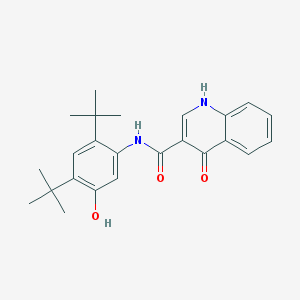
Ivacaftor

Ivacaftor

In our January 24, 2013 article on this blog, we discussed the cases of two genetic diseases, sickle cell disease (SCD) and cystic fibrosis (CF). In both cases, the genetic cause of the disease was identified decades ago. However, no disease-modifying drugs for SCD have yet been developed.

In the case of CF, small-molecule disease-modifying drugs have only recently entered the pipeline. In one case, such a drug–ivacaftor (Vertex’ Kalydeco), was approved both in the U.S. and in Europe in 2012.

In this article, we discuss the development of small-molecule drugs for CF.

Cystic fibrosis

As we discussed in our earlier article, CF causes a number of symptoms, which affect the skin, the lungs and sinuses, and the digestive, endocrine, and reproductive systems. Notably, people with CF accumulate thick, sticky mucus in the lungs, resulting in clogging of the airways due to mucus build-up. This leads to inflammation and bacterial infections. Ultimately, lung transplantation is often necessary as the disease worsens. With proper management, patients can live into their late 30s or 40s.

The affected gene in CF and the most common mutation that causes the disease (called ΔF508 or F508del) were identified by Francis S Collins, M.D., Ph.D. (then at the Howard Hughes Medical Institute and Departments of Internal Medicine and Human Genetics, University of Michigan, Ann Arbor, MI) and his colleagues in 1989. (Dr. Collins was subsequently the leader of the publicly-funded Human Genome Project and is now the Director of the National Institutes of Health, Bethesda, MD.)

The gene that is affected in cystic fibrosis encodes a protein known as the cystic fibrosis transmembrane conductance regulator (CFTR).  CFTR regulates the movement of chloride and sodium ions across epithelial membranes, including the epithelia of lung alveoli. CF is an autosomal recessive disease, which is most common in Caucasians; one in 2000–3000 newborns in the European Union is found to be affected by CF. ΔF508 is a deletion of three nucleotides that causes the loss of the amino acid phenylalanine at position 508 of the CFTR protein. The ΔF508 mutation accounts for approximately two-thirds of CF cases worldwide and 90% of cases in the United States. However, there are over 1500 other mutations that can cause CF.

CFTR is an ion channel–specifically a chloride channel.  Ion channels constitute an important class of drug targets, which are targeted by numerous currently marketed drugs, e.g., calcium channel blockers such as amlodipine (Pfizer’s Norvasc; generics) and diltiazem (Valeant’s Cardizem; generics). These compounds were mainly developed empirically by traditional pharmacology before knowing anything about the molecular nature of their targets.

However, discovery of novel ion channel modulators via modern molecular methods has proven to be challenging, mainly because of the difficulty in developing assays suitable for drug screening. In addition, development of suitable assays for assaying chloride channel function has lagged behind the development of assays for the function of cation channels (e.g., sodium and calcium channels).

Moreover the most common CFTR mutation that causes CF, ΔF508, results in defective cellular processing, and the mutant CTFR protein is retained in the endoplasmic reticulum. In the case of some other mutant forms of CTFR (accounting for a small percentage of CF patients), the mutant proteins reach the cell membrane, but are ineffective in chloride-channel function.

Vertex’ program for the development of small molecule CF drugs

Efforts aimed at the discovery of small-molecule drugs for CF began in 1998, when the nonprofit Cystic Fibrosis Foundation (CFF) established its Therapeutics Development Program. This included a drug discovery unit, through which CFF would support both academic and industrial research. An early recipient of CFF funding via this program was a small biotech company, Aurora Biosciences (San Diego, CA).  Aurora had developed technology for ultra-high-throughput screening in cellular assays, which they were applying to the discovery of small-molecule drugs for CF. In 2001, Vertex Pharmaceuticals (Cambridge, MA) acquired Aurora. Vertex then incorporated Aurora’s technology into its drug discovery programs, including its CF program. Vertex’ CF program received continuing support from CFF.

Vertex researchers screened thousands of drug-like and lead-like synthetic compounds in recombinant mouse cells expressing mutant human CFTR. Positive hits that met criteria for developability were further tested in a rat epithelial cell line that expressed the mutant CFTR. Compounds selected for further study were also tested for rescue of CFTR activity in cultured primary human lung airway epithelial cells from CF patients, which expressed the same mutant CFTRs studied in the recombinant cell assays. Performing the latter studies required isolating the epithelial cells from lung tissue of CF patients. The thick mucus found in CF lungs made this isolation very challenging. According to Vertex researcher and project head Fred Van Goor, researchers had to use tweezers to extract the mucus, in order to isolate the cells. It reportedly took all of 2003 to develop cellular assays (both in primary and recombinant cells) to conduct the drug discovery studies.

Vertex’ high-throughput screening studies resulted in the identifications of two types of lead compounds:

  • CFTR potentiators, which potentiate the chloride channel activity of mutant CFTR molecules at the cell surface;
  • CFTR correctors, which partially correct the folding and/or trafficking defect of such mutant CFTRs as ΔF508, thus facilitating exit from the endoplasmic reticulum and deposition of a portion of the mutant CFTR in the cell membrane.

Vertex’ ivacaftor, a CFTR potentiator

The Vertex screening studies discussed in the previous section, published in 2006, resulted in clinical candidates in both the potentiator and corrector classes. The company pursued development of one potentiator compound, ivacaftor (formerly known as VX-770) (Vertex’ Kalydeco). Ivacaftor is indicated only in patients with the G551D (Gly551Asp) mutation in CFTR, which only accounts for around 4% of CF patients.

Ivacaftor was discovered via high-throughput screening as described in the previous section, followed by lead optimization. The compound increased chloride channel function both in recombinant cells carrying mutant CFTR, and in cultured primary human lung airway epithelial cells from CF patients. Ivacaftor was found to be efficacious in opening both CFTR G551D and CFTR ΔF508 present in the cell membranes of recombinant cells. However, because of the retention of  CFTR ΔF508 in the endoplasmic reticulum in human lung airway epithelial cells, this compound is not efficacious in treating CF patients carrying this mutation. The lack of efficacy in patients homozygous for CFTR ΔF508 was confirmed in a subsequent clinical trial.

On February 23, 2011, that a Phase 3 trial of ivacaftor (then called VX-770) showed marked improvement in lung function in CF patients carrying the CFTR G551D mutation. Treated patients also had significant weight gain, showed reduced sweat chloride (a CF biomarker), and were less likely to have a pulmonary exacerbation. The results of this Phase 3 trial were published in the New England Journal of Medicine. Also in 2011, Vertex submitted a New Drug Application (NDA) for ivacaftor.  In January 2012, the FDA approved ivacaftor for treatment of CF patients carrying the CFTR G551D mutation. In July 2012, Vertex received European approval for this drug.

Vertex’ lumacaftor (VX-809) and VX-661, CFTR correctors

Vertex is currently developing the CFTR corrector lumacaftor (VX-809). The company has completed Phase 2 studies of a combination of ivacaftor and lumacaftor/VX-809 in CF patients who are homozygous for the CFTR ΔF508 mutation. It is now planning pivotal phase 3 trials of the combination therapy in this patient population. The rationale for the combination treatment is that VX-809 potentates the deposition of CFTR ΔF508 in the cell membrane, and invacaftor potentiates the function of cell-surface CFTR ΔF508.

Vertex is also conducting Phase 2 trials of another CTFR corrector, VX-661, alone and in combination with ivacaftor/VX-770 in CF patients homozygous for CFTR ΔF508.

The Cystic Fibrosis Foundation’s collaboration with Pfizer

The CFF has also been collaborating with Pfizer to discover drugs to treat patients carrying the the CFTR ΔF508 mutation. This collaboration began after the 2010 acquisition by Pfizer of FoldRX (Cambridge, MA). In November 2012, the CFF and Pfizer expanded their collaboration.

The Pfizer/CFF collaboration builds on FoldRx’s cystic fibrosis research program in collaboration with the CFF, which started in 2007. FoldRX (now a wholly-owned subsidiary of Pfizer) specializes in discovering and developing drugs to treat diseases of protein misfolding. The correction of protein misfolding clearly applies to CFTR ΔF508 protein.

Under the expanded six-year CFF/Pfizer collaboration, the CFF will invest up to $58 million to support and accelerate the discovery and development of disease-modifying therapies for CFTR ΔF508 CF. The goal of the collaboration is to advance one or more drug candidates into the clinic by the end of the six-year period. The CFF will provide scientific as well as financial support to help advance this discovery program.

Ataluren, for treatment of patients with CFTR nonsense mutations

Ataluren (formerly known as PTC124), is being developed by PTC Therapeutics for various genetic diseases caused by nonsense mutations in critical genes. The drug is currently being investigated for use in patients with nonsense mutation Duchenne/Becker muscular dystrophy (DBMD) and cystic fibrosis (CF). PTC Therapeutics’ efforts in CF are supported by a grant from the CFF.

Ribosomes normally translate messenger RNAs (mRNAs) into protein until arriving at a normal stop codon in the mRNA, at which point the ribosome stops translation, resulting in a functional protein. Nonsense mutations, however, create a premature stop signal in the mRNA coding sequence. This causes the ribosome to stop translation before a functioning protein is generated, creating a truncated, nonfunctional protein. This can result in disease.

Ataluren is designed to allow the ribosome to ignore the premature stop signal and continue translation of the mRNA, resulting in formation of a functioning protein. Ataluren does not cause the ribosome to read through the normal stop signal.

The results of clinical trials of ataluren in pediatric (Phase 2a) and adult (Phase 2) patients with nonsense-mutation CF showed that the drug resulted in production of functional CFTR protein and statistically significant improvements in CFTR chloride channel function. Ataluren treatment was also associated with significant reductions in cough frequency and trends toward improvement in pulmonary function tests.

Conclusions

As we discussed in our January 24, 2013 article on this blog, the 1989 identification of the genetic cause of CF did not immediately lead to the development of disease-modifying drugs. Bottlenecks in the pathway from genetic research to small-molecule drugs included understanding the different ways (e.g., deficiencies in chloride channel function, deficiencies in protein processing, blockages in protein translation due to nonsense mutations) in which the many mutations that can cause CF act, and the need to develop effective assays for use in drug discovery.

The 2012 approval of the CFTR potentiator ivacaftor (Vertex’ Kalydeco) in the U.S. and Europe represents a real milestone in CF drug development. Vertex and the CFF should be congratulated on their breakthrough CF R&D program, which required the willingness to pursue a long pathway to development.

Other compounds that target CFTR are in Phase 2 development. All indications suggest that treatment for CF will represent a case of “personalized medicine”, as befits a disease that is caused by multiple mutations that act at different levels of protein synthesis, processing, and function.

As is typical for personalized medicines that target rare diseases, Kalydeco is expensive. The drug reportedly costs upwards of $294,000 for a year’s supply. Vertex says that it will supply Kalydeco free to U.S. patients with no insurance and a household income of under $150,000.

With the interest of pharmaceutical and biotechnology companies in developing targeted therapies and therapies for rare diseases, the story of the development of small-molecule drugs for CF represents an important case study in drug discovery and development in the 2010s. , the emphasis on targeted drugs and rare diseases has also resulted in the the recent increase in FDA drug approvals; the agency approved 39 new drugs in 2012, which represents a 16-year high.
________________________________

As the producers of this blog, and as consultants to the biotechnology and pharmaceutical industry, Haberman Associates would like to hear from you. If you are in a biotech or pharmaceutical company, and would like a 15-20-minute, no-obligation telephone discussion of issues raised by this or other blog articles, or an initial one-to-one consultation on an issue that is key to your company’s success, please contact us by phone or e-mail. We also welcome your comments on this or any other article on this blog.

NBD1 of human CFTR. Source: PDBbot http://bit.ly/11UmpkS

NBD1 of human CFTR. Source: PDBbot http://bit.ly/11UmpkS

A major objective of research in genomics is to identify mutations that cause genetic diseases. However, doing so does not necessarily directly enable researchers to discover and develop drugs to treat these diseases.

Two examples of genetic diseases whose causes were identified decades ago, without directly enabling the development of any disease-modifying drug, are sickle cell disease (SCD) (also known as sickle cell anemia) and cystic fibrosis (CF).

Sickle cell disease

The causative mutation of SCD was identified by protein researchers, decades before the era of genomics. Vernon M. Ingram, Ph.D. showed in 1957 that a glutamic acid to valine mutation at position 6 of the β-chain of hemoglobin was the sole abnormality in SCD. For this discovery, Dr. Ingram has been called The Father of Molecular Medicine. Dr. Ingram’s work was made possible by a 1949 study by Linus Pauling and his colleagues, which showed that SCD hemoglobin had a different electrophoretic mobility than normal hemoglobin. Thus the sickle cell trait was likely to be due to a mutation in the β-hemoglobin gene that changed its amino acid composition, as confirmed by Dr. Ingram.

Yet to this day, although SCD (which occurs in individuals who are homozygous for the sickle-cell mutation) can be managed by various treatments (such as hydroxyurea and blood transfusions and bone marrow transplants) that can result in survival into one’s fifties, there is no mechanism-based therapy for this disease. Thus the identification of the causative mutation of SCD has not led to any treatments.

The reason why discovery and development of drugs for SCD has been so very difficult is that the mutation that causes this disease affects an intracellular protein, hemoglobin, which is neither a receptor nor an enzyme. Unlike secreted proteins such as insulin, it is not possible to develop protein drugs to replace missing or defective hemoglobin. It is also not possible to replace the missing function of normal hemoglobin by treatment with a small molecule drug.

Diseases such as SCD–in which the function of an essential intracellular protein is defective or missing–have often been cited as candidates for gene therapy.

However, as we discussed in our October 11, 2012 and our November 8, 2012 Biopharmconsortium Blog articles, it is only this past fall that the first gene therapy was approved for marketing in a regulated market. As we discussed in the first of these articles, gene therapy has a history going back to at least the early 1970s. However, gene therapy has displayed the characteristics of a premature technology. Several notable failures, including some that caused the deaths of patients, put a severe damper on the gene therapy field. Only recently–between around 2003 and 2012–have researchers been developing more advanced gene therapy technologies and conducting clinical studies, with some success. Entrepreneurs have also been building gene therapy specialty companies to commercialize this research.

As also we discussed in our October 11, 2012 article, among the many companies that are developing gene therapies, bluebird bio (Cambridge, MA) has been singled our for special attention lately. Among the diseases being targeted by bluebird bio are SCD, and beta-thalassemias, which are also genetic diseases that affect hemoglobin. bluebird bio is in Phase 1/2 trials for its beta-thalassemia therapy, and in Phase 1 for its SCD program.

Cystic fibrosis

CF causes a number of symptoms, which affect the skin, the lungs and sinuses, and the digestive, endocrine, and reproductive systems. Notably, people with CF accumulate thick, sticky mucus in the lungs, resulting in clogging of the airways due to mucus build-up. This leads to inflammation and bacterial infections. Ultimately, lung transplantation is often necessary as the disease worsens. With proper management, patients can live into their late 30s or 40s.

The affected gene in CF and the most common mutation that causes the disease (called ΔF508 or F508del) were identified by Francis S Collins, M.D., Ph.D. (then at the Howard Hughes Medical Institute and Departments of Internal Medicine and Human Genetics, University of Michigan, Ann Arbor, MI) and his colleagues in 1989. Dr. Collins was subsequently the leader of the publicly-funded Human Genome Project and is now the Director of the U.S. National Institutes of Health, Bethesda, MD.

The gene that is affected in cystic fibrosis encodes a protein known as the cystic fibrosis transmembrane conductance regulator (CFTR).  CFTR regulates the movement of chloride and sodium ions across epithelial membranes, including the epithelia of lung alveoli. CF is an autosomal recessive disease, which is most common in Caucasians; one in 2000–3000 newborns in the European Union is found to be affected by CF. ΔF508 is a deletion of three nucleotides that causes the loss of the amino acid phenylalanine at position 508 of the CFTR protein. The ΔF508 mutation accounts for approximately two-thirds of CF cases worldwide and 90% of cases in the United States. However, there are over 1500 other mutations that can cause CF.

In the case of CF, the affected protein, CFTR, is an ion channel–specifically a chloride channel.

Ion channels constitute an important class of drug targets, which are targeted by numerous currently marketed drugs, e.g., calcium channel blockers such as amlodipine (Pfizer’s Norvasc; generics) and diltiazem (Valeant’s Cardizem; generics). These compounds were mainly developed empirically by traditional pharmacology before knowing anything about the molecular nature of their targets. However, discovery of novel ion channel modulators via modern molecular methods has proven to be challenging, mainly because of the difficulty in developing assays suitable for drug screening. In addition, development of suitable assays for assaying chloride channel function has lagged behind the development of assays for the function of cation channels (e.g., sodium and calcium channels).

Moreover the most common CFTR mutation that causes CF, ΔF508, results in defective cellular processing, and the mutant CTFR protein is retained in the endoplasmic reticulum. In the case of some other mutant forms of CTFR (accounting for perhaps 5% of CF patients), the mutant proteins reach the cell membrane, but are ineffective in chloride-channel function.

Given these difficulties, researchers first attempted to develop gene therapies for CF. Genzyme (a Sanofi company since 2011) has been a leader in developing gene therapy for CF, and has been conducting research in this area since the 1990s. However, as with most gene therapies, development of treatments capable of reaching the market has been elusive.

Genzyme is still researching gene therapies for CF, as are others. An academic group in the U.K., known as the U.K. Cystic Fibrosis Gene Therapy Consortium is working to develop CF gene therapies, using Genzyme’s nonviral cationic lipid vector GL67 (Genzyme lipid 67) as the delivery vehicle. GL67 is the current “gold-standard” for in vivo lung gene transfer. Recently, the Consortium received funding from the U.K. Medical Research Council and National Institute of Health Research to continue its Phase 2B trial of its CF gene therapy product,GL67A/pGM169. This is a combination of GL67 and plasmid DNA expressing CFTR (pGM169).

Very recently, R&D on disease-modifying small-molecule drugs for CF has begun to bear fruit. In January 2012, the FDA approved the first such drug, ivacaftor (Vertex’ Kalydeco.) In July 2012, Vertex received European approval for this drug. Ivacaftor only works in patients with the G551D  (Gly551Asp) mutation in CFTR, which only accounts for around 4% of CF patients. Vertex and other companies–including Genzyme–are working on development of other small-molecule disease-modifying drugs with the potential to treat greater numbers of CF patients.

We shall discuss the new wave of disease-modifying CF drugs, including ivacaftor, in a later post on this blog.

Conclusions

SCD and CF are two examples of cases in which the identification of the genetic or molecular cause of a disease did not directly lead to new treatments. In the case of SCD, even though over 55 years have elapsed since the identification of the genetic cause of the disease, no therapy had yet emerged from this discovery. In the case of CF, it took over two decades from the identification of the molecular cause of the disease to the approval of the first disease-modifying drug.

Many other cases in which molecular targets involved in disease have been identified also lack disease-modifying treatments because the targets are “undruggable”. This especially applies to protein-protein interactions (PPIs). However, PPIs have assumed increasing strategic importance in drug discovery and development in recent years, and researchers and companies have been developing new technologies and strategies to discover  developable drugs that address PPIs.

Back in the early 2000s, researchers and commentators hailed the sequencing of the human genome as heralding a new era in drug discovery and development. However, the “industrialized biology” approach that grew out of the genomics of that era gave very few successes in terms of drug development. Now–a decade later–we have next-generation sequencing and  are approaching the “$1000 genome.” Once again, at least some commentators are expecting immediate breakthroughs in therapeutic development to come out of these breakthroughs in sequencing technology. Others, such as CFTR gene discoverer Francis Collins, believe that we can “speed the development of genetic advances into treatments” by more rapidly weeding out “what turn out to be..nonviable compounds.”

However, in the case of CF there were barriers to drug discovery, such as limited understanding of disease biology and difficulties in assay development, that were the true causes of lack of progress in developing disease-modifying genes. Moreover, once they had good assays, researchers needed to come up with effective strategies to develop small-molecule drugs for CF. In the case of SCD, because of the nature of the target, only gene therapy–with its manifold difficulties–had any hope of addressing the disease. In the case of PPIs, there was the need to discover new breakthrough strategies to address these “undruggable” targets.

Thus, despite breakthroughs in sequencing technologies, determining of disease-related sequences is likely to only be the first step in effective discovery of disease-modifying drugs. And there may continue to be a considerable time lag between sequence determination and drug development.

________________________________

As the producers of this blog, and as consultants to the biotechnology and pharmaceutical industry, Haberman Associates would like to hear from you. If you are in a biotech or pharmaceutical company, and would like a 15-20-minute, no-obligation telephone discussion of issues raised by this or other blog articles, or an initial one-to-one consultation on an issue that is key to your company’s success, please contact us by phone or e-mail. We also welcome your comments on this or any other article on this blog.