9 January 2013

Identification of a novel Alzheimer’s disease pathway provides potential new avenues for drug discovery

By |2013-01-09T00:00:00+00:00January 9, 2013|Animal Models, Anti-Aging, Drug Discovery, Neurodegenerative Diseases|

Neurofibrillary tangle.

Neurofibrillary tangle.

In August and September of 2012, we published three articles on Alzheimer’s disease on the Biopharmconsortium Blog:

Subsequent to the publication of our articles–on 21 November, 2012–the Wellcome Trust announced the identification of a novel pathway involved in the pathogenesis of Alzheimer’s disease (AD). This research was led by Professor Simon Lovestone and Dr Richard Killick (Kings College, London U.K.), and was published in the online edition of Molecular Psychiatry on 20 November 2012. The Wellcome Trust helped to fund the research.

As we have discussed in earlier articles on this blog, the dominant paradigm among AD researchers and drug developers is that the disease is caused by aberrant metabolism of amyloid-β (Aβ) peptide, resulting in accumulation of neurotoxic Aβ plaques. This paradigm is known as the “amyloid hypothesis”. AD is also associated with neurofibrillary tangles (NFTs) which are intracellular aggregates of hyperphosphorylated tau protein. In contrast to the amyloid hypothesis, some AD researchers have postulated that NFT formation is the true cause of AD. The new research links amyloid toxicity to the formation of NFTs, and identifies potential new drug targets.

The new study is based on the discovery of the role of clusterin–an extracellular chaperone protein–in sporadic (i.e., late-onset, non-familial) AD. The gene for clusterin, CLU, has been identified as a genetic risk factor for sporadic AD via a genome-wide association study published in 2009. Clusterin protein levels are also increased in the brains of transgenic mouse models of AD that express mutant forms of amyloid precursor protein (APP), as well as in the serum of humans with early stage AD.

The researchers first studied the relationship between Aβ and clusterin in mouse neuronal cells in culture. Aβ rapidly increases intracellular concentrations of clusterin in these cells. Aβ-induced increases in clusterin drives transcription of a set of genes that are involved in the induction of tau phosphorylation and of Aβ-mediated neurotoxicity. This pathway is dependent on the action of a protein known as Dickkopf-1 (Dkk1), which is an antagonist of the cell-surface signaling protein wnt. The transcriptional effects of Aβ, clusterin, and Dkk1 are mediated by activation of the wnt-planar cell polarity (PCP) pathway. Among the target genes in the clusterin-induced DKK1-WNT pathway that were identified by the researchers are EGR1 (early growth response-1), KLF10 (Krüppel-like factor-10) and NAB2 (Ngfi-A-binding protein-2)–all of these are transcriptional regulators. These genes are necessary mediators of Aβ-driven neurotoxicity and tau phosphorylation.

The researchers went on to show that transgenic mice that express mutant amyloid display the transcriptional signature of the DKK1-WNT pathway, in an age-dependent manner, as do postmortem human AD and Down syndrome hippocampus. (Most people with Down syndrome who survive into their 40s or 50s suffer from AD.) However, animal models of non-AD tauopathies (non-AD neurodegenerative diseases associated with pathological aggregation of tau, and formation of NFTs, but no amyloid plaques) do not display upregulation of transcription of genes involved in the DKK1-WNT pathway, nor does postmortem brain tissue of humans with these diseases.

The Kings College London researchers concluded that the clusterin-induced DKK1-WNT pathway may be involved in the pathogenesis of AD in humans. They also hypothesize that such strategies as blocking the effect of Aβ on clusterin or blocking the ability of Dkk1 to drive Wnt–PCP signaling might be fruitful avenues for AD drug discovery. According to the Wellcome Trust’s 21 November 2012 press release, Professor Lovestone and his colleagues have shown that they can block the toxic effects of amyloid by inhibiting DKK1-WNT signaling in cultured neuronal cells. Based on these studies, the researchers have begun a drug discovery program, and are at a stage where potential compounds are coming back to them for further testing.

________________________________

As the producers of this blog, and as consultants to the biotechnology and pharmaceutical industry, Haberman Associates would like to hear from you. If you are in a biotech or pharmaceutical company, and would like a 15-20-minute, no-obligation telephone discussion of issues raised by this or other blog articles, or an initial one-to-one consultation on an issue that is key to your company’s success, please contact us by phone or e-mail. We also welcome your comments on this or any other article on this blog.

31 December 2012

FDA Approves Aegerion’s lomitapide (Juxtapid) for Homozygous Familial Hypercholesterolemia

By |2019-04-16T22:01:29+00:00December 31, 2012|Cardiovascular Disease, Drug Development, Rare Diseases|


Happy New Year from Haberman Associates!

Happy New Year from Haberman Associates!

In our November 20, 2012 article on this blog, entitled “Novel hypercholesterolemia drugs move toward FDA decisions”, we discussed two drugs–Aegerion Pharmaceuticals’ lomitapide, and Isis/Sanofi/Genzyme’s mipomersen. In October 2012, the FDA’s Endocrinologic and Metabolic Drugs Advisory Committee recommended that both drugs be approved for treatment of homozygous familial hypercholesterolemia (HoFH).

In that article, we discussed issues involved in the development and commercialization of lomitapide–a small-molecule drug, and mipomersen–an antisense oligonucleotide, for treatment of HoFH, a rare genetic disease which is mechanistically related to more common types of hypercholesterolemia. We also stated that were were awaiting FDA action–expected in the next several weeks after publication of our article–on the approval of the two drugs.

On Christmas Eve–December 24, 2012–a day on which few people in the United States and in many other countries were thinking about work–Aegerion (Cambridge, MA) announced that the FDA had approved lomitapide for treatment of HoFH. Lomitapide has been given the brand name Juxtapid.

The FDA based its approval of lomitapide on the results of a pivotal Phase 3 study, which evaluated the safety and effectiveness of the drug in 29 adult patients with HoFH. As we discussed in our November 20, 2012 article, the results of this study were published in the online version of The Lancet on November 2, 2012.

As we also discussed in our earlier article, lomitapide has serious adverse effects, including hepatic fat accumulation and elevated liver aminotransferase levels. According to the December 24, 2012 Aegerion press release, the most common adverse reactions seen in the Phase 3 study were gastrointestinal, including diarrhea, nausea, vomiting, dyspepsia and abdominal pain. Ten of the 29 patients in the study had at least one elevation in liver enzymes greater than or equal to three times the upper limit of normal. Liver enzyme elevations were managed through dose reduction or temporary discontinuation of dose. Hepatic fat accumulation was also observed in the Phase 3 trial.

As we also discussed in our earlier article, a finding of elevated liver aminotransferase levels is enough to stop development of most drugs. As of October 2012, the FDA and its Advisory Panel believed that a risk evaluation and mitigation strategy (REMS) would support appropriate use of these drugs in patients with homozygous FH, because of their life threatening disease, and because they have limited therapeutic options.

According to the December 24, 2012 Aegerion press release, the label for lomitapide contains a Boxed Warning citing the risk of hepatic toxicity. A Boxed Warning is the strongest warning that the FDA requires.

Lomitapide is avaiable only through the Juxtapid Risk Evaluation and Mitigation Strategy (REMS) Program. Aegerion will certify all health care providers who prescribe Juxtapid and the pharmacies that will dispense the medicine.

The goals of the REMS are:

  • To educate prescribers about the risk of hepatotoxicity associated with the use of lomitapide, and the need to monitor patients during treatment with the drug.
  • To restrict access to therapy with lomitapide to patients with a clinical or laboratory diagnosis consistent with HoFH.

The safety and efficacy of lomitapide have not been established in patients with hypercholesterolemia who do not have HoFH. The effects of the drug on cardiovascular morbidity and mortality has not been determined. The safety and effectiveness of lomitapide have not been established in pediatric patients.

In addition to establishing the REMS, Aegerion has made a commitment to the FDA to conduct a post-approval, observational cohort study.  The company has also developed a comprehensive support services program for patients and their healthcare providers.

As we discussed in our November 20, 2012 article, Aegerion will be marketing lomitapide on its own, without a larger partner, and has been ramping up its marketing and sales organization in anticipation of approval. The company has set up a website for the product, www.juxtapid.com.

We await the FDA’s decision on the approval of mipomersen, to see how this chapter in the hypercholesterolemia drug development story will unfold.

________________________________

As the producers of this blog, and as consultants to the biotechnology and pharmaceutical industry, Haberman Associates would like to hear from you. If you are in a biotech or pharmaceutical company, and would like a 15-20-minute, no-obligation telephone discussion of issues raised by this or other blog articles, or an initial one-to-one consultation on an issue that is key to your company’s success, please contact us by phone or e-mail. We also welcome your comments on this or any other article on this blog.

28 December 2012

Haberman Associates in Chemical & Engineering News (C&EN) article on Agios Pharmaceuticals

By |2018-11-14T00:23:56+00:00December 28, 2012|Cancer, Drug Development, Drug Discovery, Haberman Associates, Metabolic diseases, Rare Diseases, Strategy and Consulting|


Agios Germanos, Greece. Source: http://bit.ly/YRDIBJ

Agios Germanos, Greece. Source: http://bit.ly/YRDIBJ

I was quoted in an article in the November 19, 2012 issue of Chemical & Engineering News (C&EN) by senior editor Lisa M Jarvis. The article is entitled

The article focuses on Agios Pharmaceuticals’ (Cambridge, MA) strategy for building a company that can endure as an independent firm over a long period of time, and that can also demonstrate sustained performance.

This contrasts with the recent trend toward “virtual biotech companies”–lean companies with only a very few employees that outsource most of their functions, and that are designed for early acquisition by a Big Pharma or large biotech company. The virtual company strategy is designed to deal with the inability of most young biotech companies to go public in the current financial environment. Without the ability to go public, young companies cannot provide early-stage venture capital investors with a profitable exit within a few years after launching the company. Virtual companies typically have a few assets, such as molecules that are ready for preclinical studies or early clinical trials. The goal is to obtain enough evidence that their compounds can become drugs to interest a Big Pharma.

In contrast, there are a few young  “platform companies” that are built on a broad technology platform, which aim to address important areas of biology and potentially to develop numerous products with the potential to address important areas of unmet medical need. One of these is Agios.

“Built to Last” in the current biotech ecosystem

In the C&EN article, I was quoted as saying that only a few platform companies have been launched in recent years. In the Boston area, in addition to Agios, such companies include Forma Therapeutics and Aileron Therapeutics. I was further quoted as saying “These companies are built to last.”

That brings up the old business paradigm from the 1990s and early 2000s–“Built to Last” versus “Built to Flip”. Those involved in building virtual biotech companies–especially venture capitalists and angel investors–do not like the use of “Built to Flip” to characterize their companies. And there are some fine virtual biotechs–some, such as Energesis and Zafgen–which we have covered in our blog.

(Plexxikon, the developer of targeted melanoma drug vemurafenib, also operated as a virtual company. However, it had a technology platform, and had the potential to become an independent biotech with marketed products. Thus Plexxikon did not fit the usual “virtual biotech model”. Nevertheless, it was acquired by Daiichi Sankyo in 2011.)

However, some industry commentators believe that “Built to Flip” is an appropriate designation for virtual biotech companies, and that the virtual model is likely to be detrimental to drug discovery and to the biotech/pharma industry as a whole.

Meanwhile, the 2012 BIO International Convention in Boston had a session entitled “Moving the Goal Posts: How to Build a Free-Standing Biotech from Scratch in Today’s Environment.” This session focused on how to build the “next Vertex or even the next Genentech” (i.e., a “Built to Last” biotech company) in today’s environment. John Evans, the Vice President of Business Development & Operations of Agios was a speaker at that session. The session was moderated by Bruce Booth of Atlas Ventures. Thus, despite the preference for lean virtual biotech companies in the current funding environment, there is an interest in the entrepreneurial and venture capital communities for how free-standing biotechs might emerge under current conditions.

How to build a young platform biotech company

The Biopharmconsortium Blog has included three articles about Agios:

These articles, as well as the November 19 2012 C&EN article, outline how Agios has been building a free-standing biotech in today’s unfavorable environment. Agios’ strategy is based on three elements:

  • A stellar group of scientific founders–Drs. Craig B. Thompson, Tak W. Mak, and Lewis C. Cantley.
  • A strong proprietary technology platform based on cancer metabolism
  • A financing strategy that includes both venture capital and partnerships with established companies. In the case of Agios, their partner is Celgene. The Agios/Celgene partnership provides Agios with $150 million, and allows Agios to maintain control over the direction of its early stage research.

As stated in the C&EN article, the financial security gained via Agios’ funding by its venture investors and by Celgene enables Agios to work on multiple potential targets, with the goal of dominating the field of cancer metabolism. Agios focuses on two types of targets: metabolic enzyme species that are found only in cancer cells, and enzyme species on which a cancer cell has become dependent. Agios researchers intend to develop drugs against targets for which their are predictive biomarkers that identify the right patients for clinical studies.

New developments outlined in the November 19, 2012 C&EN article

Both the November 19, 2012 C&EN article and our Bipharmconsortium Blog articles outline Agios’ program to target a mutated form of isocitrate dehydrogenase 1 (IDH1), which together with mutated IDH2 has been implicated in 70% of human brain cancers. As stated in the C&EN article, Agios researchers have recently reported a series of compounds that selectively inhibit the mutant form of IDH1. This research had been carried out in collaboration with researchers from Ember Therapeutics (Watertown, MA). As we stated in another Biopharmconsortium Blog article, Ember specializes in targeting beige adipocytes for treatment of metabolic diseases.

As we noted in our November 30, 2011 Biopharmconsortium Blog article, Agios had slated a portion of the $78 million that it raised in its Series C financing to expand its R&D efforts into inborn errors of metabolism (IEMs). IEMs comprise a large class of inherited disorders of metabolism, most of which are defects in single genes that code for metabolic enzymes. These rare metabolic diseases have a high level of unmet medical need.

As outlined in the C&EN article, Agios’ work with mutant IDH1 and IDH2 is serving as a bridge to the company’s programs in IEMs. IDH2 mutations have been found in a class of children with 2-hydroxyglutaric aciduria, a rare inherited neurometabolic disorder that can cause developmental delay, epilepsy, and a set of other pathologies.

According to the C&EN article, IEMs are of special strategic interest to Agios. Agios CEO David Schenkein stated that expanding the company’s R&D efforts into IEMs helps the company to manage the risk profile of its portfolio. In the case of cancer, Agios researchers must identify and validate targets involved in the pathobiology of these diseases, and then to find drugs that modulate these targets. In the case of IEMs, disease biology is already validated by genetics.

Moreover, IEMs have small patient populations. Thus only small clinical trials are needed to bring a drug to market. Agios therefore believes that it can bring drugs for these diseases to market on its own, without the need for a larger partner such as Celgene or a Big Pharma.

As we discussed in a Biopharmconsortium Blog article on improving the clinical trial system, although rare diseases only require small clinical trials, finding and recruiting patients for the trials is made more difficult because of the very small number of patients with a particular disease. One solution is to work with patient advocates and “disease organizations”, some of which have patient registries. In the case of 2-hydroxyglutaric aciduria and other organic acidemias, a “disease organization” exists–the Organic Acidemia Association (OAA). Perhaps Agios will find it fruitful to work with the OAA in its patient recruitment efforts.

Currently, Agios is focused on getting compounds into the clinic–both for IEMs and for cancer. Looking down the road, the company’s $180 million war chest should enable Agios to put several compounds through proof-of-concept studies, according to Dr. Schenkein. (This is besides any cancer drug candidates that are licensed by Celgene.) Despite Agios’ strategy of conducting small trials for IEM drug candidates, Dr. Schenkein said that the company will eventually need to go public to achieve its strategic goal of dominating the cancer metabolism field.

________________________________

As the producers of this blog, and as consultants to the biotechnology and pharmaceutical industry, Haberman Associates would like to hear from you. If you are in a biotech or pharmaceutical company, and would like a 15-20-minute, no-obligation telephone discussion of issues raised by this or other blog articles, or an initial one-to-one consultation on an issue that is key to your company’s success, please contact us by phone or e-mail.  We also welcome your comments on this or any other article on this blog

16 December 2012

What is Haberman Associates?

By |2018-12-28T23:32:34+00:00December 16, 2012|About Our Blog, Haberman Associates, Strategy and Consulting|

habermanassoc_logo

A few weeks ago, I attended a presentation that was produced by another consulting firm, which we shall call Company X. They began their presentation with a discussion of “what is Company X?” Then they went on the the substance of their presentation.

In the same vein, as the producers of the Biopharmconsortium Blog, this article is entitled “What is Haberman Associates?” After we have posted this article, we also shall go on to our usual subject matter.

Haberman Associates is a Boston-based consulting firm, founded in 1993, that specializes in science and technology strategy for life science companies–principally pharmaceutical, biotechnology, diagnostics, and research products companies, and other companies (e.g., life science publishers, venture capitalists, angel investors, etc.) that serve the industry.

The focus of our company is new product development and commercialization. This includes new products developed via internal R&D and through partnering. In internal R&D, our usual focus is toward the early end of the process–drug discovery and early development.

Clients have used our consulting services to help them:

  • discover and develop new drugs, diagnostics, and research products
  • improve their drug pipelines
  • identify and evaluate potential partners
  • develop new applications for their technologies
  • penetrate new markets

Haberman Associates is a member the Boston-based Biopharmaceutical Consortium (BPC) and an Affiliate of the North Carolina-based consulting consortium Innovalyst. Our relationship with Innovalyst began after one of our BPC partners moved to North Carolina, and eventually became a Principal of Innovalyst. Between BPC and Innovalyst, we have nearly 90 senior consultants on our team.

We have worked on consulting engagements with both BPC and Innovalyst consultants.  Our relationship with these consortia enables us to take on larger projects, as well as projects requiring multiple types of expertise.

One of my Innovalyst colleagues referred to the Haberman Associates/Innovalyst combination as a “virtual drug discovery and development organization”. Another way to look at the Haberman Associates/Innovalyst combination is as having to power of a single office of a large consulting firm, but one dedicated to helping pharmaceutical and biotechnology clients to increase their effectiveness in the difficult areas of drug discovery and development.

In one case last year, a prospective client asked me whether Haberman Associates could take on a consulting engagement involving GMP services. I know little about that subject, other than where it fits into the process of developing a drug. I also know people who work in that area. So I handed the engagement over to another project leader in Innovalyst. He formed a team that included himself, several domain experts (one of whom knows the Chinese GMP services market), and me.  Although I knew little about GMP services, I used my research and interviewing skills, and made a material contribution to the project. Our team delivered a result that exceeded client expectations.

We always aim to exceed client expectations, whatever the project.

In addition to consulting, Haberman Associates has produced numerous publications–ranging from articles to book-length reports–which have been published by leading life science industry publishers. A list of recent publications is now available on my public LinkedIn profile.

As for the Biopharmconsortium Blog, it is the blog for our consulting group, not a journalistic blog. Despite the diversity of subjects covered by the blog, the focus is on effective drug discovery and development, and on company strategies designed to facilitate effective new product development. We have more good content available than we can possibly blog about, and do not accept requests to blog about content that is irrelevant to our focus.

We hope that the diverse community of our readers will benefit from the discussions on our blog. We also hope that potential clients in the life science industry will get a feeling for how we approach issues in drug discovery and development and company strategies.

However, even the best articles or books on how to solve key industry problems (such as clinical attrition) will not solve these problems on their own. Companies need to develop company-specific solutions and to implement them. For various reasons, they often are unable to do this without outside consulting help. Haberman Associates consulting may enable your company to formulate and implement the solutions you need to improve your productivity.

[Innovalyst ceased to be active as an organization as of February 2013. However, we remain in contact with several Innovalyst Affiliates and Managing Partners, who are available for collaboration with Haberman Associates.]


If you are in  a life sciences firm, and have questions about Haberman Associates, or wish to send us a consulting inquiry or to commission us to write a report for publication, please telephone or e-mail us.

21 November 2012

Novel hypercholesterolemia drugs move toward FDA decisions

By |2018-11-14T00:23:28+00:00November 21, 2012|Cardiovascular Disease, Drug Development, Metabolic diseases, Oligonucleotide Therapeutics, Rare Diseases, RNAi, Strategy and Consulting|


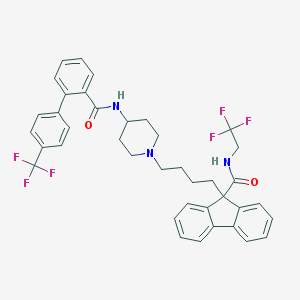
Lomitapide

Lomitapide

Mid-October 2012 was a busy time for the FDA’s Endocrinologic and Metabolic Drugs Advisory Committee. On October 17, 2012, the panel voted 13-2 to recommend approval of Aegerion’s lomitapide for treatment of homozygous familial hypercholesterolemia. The next day, October 18, 2012, the same panel voted 9-6 to recommend approval of Isis/Sanofi/Genzyme’s mipomersen for the same condition.

Familial hypercholesterolemia (FH) is a rare genetic condition characterized by very high levels of low-density lipoprotein (LDL, or “bad cholesterol”), in the blood and early cardiovascular disease. Most patients with FH have mutations in either the LDL receptor (which functions to remove LDL from the circulation), or in apolipoprotein B (ApoB) (the protein moiety of LDL, which binds to the LDL receptor).

Patients who are heterozygous for an FH mutation (but have one normal copy of the affected gene) may have premature cardiovascular disease in their thirties. Patients who are homozygous for an FH mutation may have severe cardiovascular disease in childhood. Heterozygous FH is a common genetic disease, which is inherited in an autosomal dominant pattern, and occurs in one out of 500 people. Homozygous FH, however, occurs in about 1 in a million births. Homozygous FH thus qualifies as a “rare disease”.

Physicians generally treat heterozygous FH with statins, bile acid sequestrants or other lipid-lowering agents that lower cholesterol levels. Homozygous FH often does not respond to these drugs. It may require chronic treatment via LDL apheresis (removal of LDL in a method similar to dialysis) and in some cases liver transplantation.

Aegerion (Cambridge, MA), the developer of lomitapide, is a publicly-traded biotech company that seeks to “change the way that rare, genetic lipid disorders are treated”. It is currently focused on the development of lomitapide, a small-molecule compound (pictured above).

Lomitapide inhibits the microsomal triglyceride transfer protein (MTTP) which is necessary for very low-density lipoprotein (VLDL) assembly and secretion in the liver. A 2007 article in the New England Journal of Medicine (NEJM) concluded that inhibition of MTTP by lomitapide (then known as BMS-201038) resulted in the reduction of LDL cholesterol levels in patients with homozygous FH. BMS-201038/lomitapide was originally developed by Bristol-Myers Squibb (BMS), donated to the University of Pennsylvania in 2003 and licensed to Aegerion in 2006. BMS had abandoned development of the compound after early Phase 1 and Phase 2 trials had found increases in heptatic fat content and gastrointestinal disturbances. The NEJM study (conducted by Penn researchers in collaboration with other academic researchers and with BMS) also found that therapy with the compound was associated with elevated liver aminotransferase levels and hepatic fat accumulation.

78-week data from Aegerion’s pivotal Phase 3 study of lomitapide in adults patients with homozygous FH were published in the online version of The Lancet on November 2, 2012.

Mipomersen (which will be called Kynamro if and when it is commercialized) is an antisense oligonucleotide that targets the messenger RNA for apolipoprotein B. We discussed mipomersen in our August 21, 2009 blog article on oligonucleotide therapeutics. Mipomersen represents the most advanced oligonucleotide drug in development that is capable of systemic delivery. (The only two marketed oligonucleotide drugs both treat ophthalmologic diseases and are delivered locally.) Mipomersen targets the liver, without the need for a delivery vehicle. Thus mipomersen–potentially the first systemically-delivered oligonucleotide drug to reach the market–represents the “great hope” for proof-of-concept for oligonucleotide drugs, including antisense and  RNAi-based drugs.

Patients treated with mipomersen, as with lomitapide, exhibit liver-related adverse effects, especially hepatic fat accumulation and elevated liver aminotransferase levels. Moreover, unlike lomitapide, which is an orally-delivered compound, mipomersen, which is delivered via subcutaneous injection, can cause injection site reactions and flu-like symptoms. Moreoever, mipomersen has a much longer half-life than lomitapide (30 days versus 20 hours).

Industry commentators, and well as the FDA Advisory Committee, generally favor lomitapide over mipomersen, because lomitapide appears to be the more efficacious drug in lowering LDL-cholesterol, and also because lomitapide is an oral drug. However, most of the FDA panelists, as well as other industry commentators believe that not all patients with homozygous FH would be likely to benefit from only one drug. Thus having two alternative drugs may well be better in treating this disease.

Both lomitapide and mipomersen have potentially serious adverse effects. A finding of elevated liver aminotransferase levels is enough to stop development of most drugs. However, the FDA and its Advisory Panel believe that a risk evaluation and mitigation strategy (REMS) would support appropriate use of these drugs in patients with homozygous FH, because of their life threatening disease, and because they have limited therapeutic options. Both Aegerion and Genzyme are proposing that their compounds be approved with REMS programs, including an education program for physicians and active monitoring of patients. The REMS program would also include monitoring to ensure that only adult homozygous FH patients would be treated with the drugs. However, Aegerion plans to conduct clinical trials of the use of lomitapide in pediatric homozygous FH patients, as well as patients with another rare disease, familial chylomicronemia. Genzyme has already tested mipomersen in a small number of pediatric patients.

Companies developing therapeutics for rare diseases whose mechanisms are related to those of more common diseases often attempt to first get their drugs approved for the rare disease, and then perform additional clinical trials to expand the drug’s indications to larger populations. We discussed this strategy in an earlier article on this blog. Homozygous FH is mechanistically related to not only heterozygous FH, but also to cases of severe hypercholesterolemia that are poorly controlled by statins. Both companies have shown interest in treating patients with homozygous FH and severe hypercholesterolemia, since they have preformed clinical trials that included patients with these conditions. However, the adverse effects of these drugs may limit their use to homozygous FH, at least in the near future.

Aegerion intends to market lomitapide on its own, and is ramping up its marketing and sales organization in anticipation of approval. Mipomersen, if approved, would have the benefit of the Sanofi marketing organization behind it. However, industry commentators expect lomitapide to have a large advantage over mipomersen, if both are approved. That is because of the greater efficacy of lomitapide, its oral dosing, and other factors related to injection site reactions for mipomersen and the half-lives of the compounds.

We await FDA action in the next several weeks on the approval of lomitapide and mipomersen.

Meanwhile, researchers and companies are working on potential drugs for severe hypercholesterolemia that act via an entirely different mechanism–PCSK9 (proprotein convertase subtilisin/kexin 9) inhibition. These drugs are in an earlier stage of development than lomitapide and mipomersen. However, they might eventually provide strong competition to these drugs, or replace them altogether.

For oligonucleotide drug developers and enthusiasts, the case of mipomersen–considered the “great hope” for proof-of-concept for oligonucleotide drugs by many in the field–provides several lessons. 1. At the end of the day, oligonucleotide drugs must meet the same standards of safety and efficacy as other drugs. 2. Oligonucleotide drugs may encounter competition from drugs in other classes, such as small molecules or monoclonal antibodies.

________________________________

As the producers of this blog, and as consultants to the biotechnology and pharmaceutical industry, Haberman Associates would like to hear from you. If you are in a biotech or pharmaceutical company, and would like a 15-20-minute, no-obligation telephone discussion of issues raised by this or other blog articles, or an initial one-to-one consultation on an issue that is key to your company’s success, please contact us by phone or e-mail. We also welcome your comments on this or any other article on this blog.
Go to Top